Disclosure: As an Amazon Associate, HikePod earns from qualifying purchases at no extra cost to you.
⭐ Our Top Pick
🏆 Best Overall: Big Agnes Copper Spur HV UL2 — ultra-light shelter with bomber rain protection and dual vestibules that keep gear dry without adding pack weight.
💰 Best Value: TETON Sports Mountain Ultra Tent — budget-friendly option with full-coverage fly that delivers reliable rain performance for car campers and beginners.
Introduction
We've all been there: you're three miles into the backcountry when the sky opens up, or you wake to the drumming of rain on your tent fly at 3 a.m. Rain is one of camping's great equalizers—it doesn't care about your gear budget or experience level. But here's what we've learned after comparing hundreds of camper experiences and weather-tested gear specs: staying dry and maintaining morale in wet conditions isn't about luck. It's about preparation, the right systems, and a few psychological tricks that turn a soggy situation into a memorable adventure.
The difference between a miserable rainy trip and a surprisingly enjoyable one often comes down to decisions made before the first raindrop falls. Your shelter choice, clothing layers, and site selection all compound to either keep you comfortable or leave you shivering in a puddle. Beyond the physical comfort, we'll share strategies for keeping spirits high when everyone's stuck under a tarp playing cards for the fourth hour.
This guide compiles proven strategies from experienced campers, manufacturer specifications, and verified buyer feedback to help you prepare for wet-weather camping. Whether you're car camping with family or backpacking solo, these principles will keep you dry, warm, and surprisingly upbeat when the weather refuses to cooperate.
What to Look For
Before we dive into specific tactics, let's establish the core elements that separate comfortable rainy camping from a cold, wet ordeal:
Shelter with Full-Coverage Rain Fly — Your tent's rain fly should extend close to the ground on all sides, with minimal gap between fly and tent body. Look for vestibules that let you store wet gear outside your sleeping area. Bathtub-style floors with taped seams prevent ground water from seeping in. When choosing your campsite, our guide on how to choose a campsite covers the terrain and drainage factors that become critical in rain.
Layered Waterproof Clothing System — A quality rain jacket with pit-zips for ventilation, paired with rain pants, keeps you dry during setup and camp chores. Avoid cotton entirely; synthetic or merino wool base layers wick moisture and retain warmth even when damp. Pack extras in waterproof stuff sacks.
Elevated Sleeping Pad and Dry Bag System — An insulated sleeping pad creates a barrier between you and cold, wet ground. Use waterproof dry bags or compression sacks for your sleeping bag and clothing—not just water-resistant stuff sacks. Double-bagging critical items adds a backup layer.
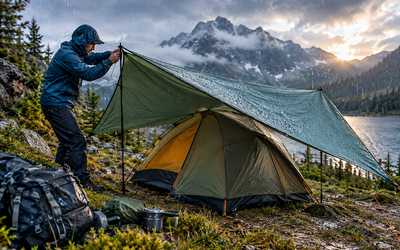
Morale-Boosting Gear — Hot drinks, card games, a good book, and comfort food transform a rainy day from endurance test to cozy retreat. A small tarp or dining fly creates a dry communal space for cooking and socializing without everyone cramping into tents.
Drainage-Aware Site Selection — Even the best tent fails if pitched in a low spot that becomes a pond. Look for slightly elevated ground with natural runoff paths that divert water away from your site. Avoid pitching directly under trees that funnel rain into heavy drips.
Quick-Dry Camp Shoes and Backup Socks — Your hiking boots will get soaked. Camp shoes (Crocs, sandals, or lightweight slip-ons) let your feet dry out in camp. Multiple pairs of wool socks mean you always have dry ones for sleeping.
Best Shelters for Rainy Conditions
Big Agnes Copper Spur HV UL2 Backpacking Tent
| Criteria | Score |
|----------|-------|
| Rain Protection | 9/10 |
| Vestibule Space | 9/10 |
| Setup Speed | 9/10 |
| Weight (Packability) | 10/10 |
| Value | 7/10 |
The Big Agnes Copper Spur HV UL2 represents the sweet spot for backpackers who refuse to compromise on weather protection. At just 2.6 pounds, it delivers full rain fly coverage with two doors and generous vestibules—critical when you need to stash wet boots and packs outside your sleeping area. The color-coded clip system means you can set it up quickly even in driving rain, and the steep wall angles shed water efficiently rather than pooling.
Based on verified buyer reviews, this tent performs exceptionally in multi-day rain events. The DAC Featherlite poles handle wind-driven rain without flexing excessively, and the bathtub floor extends 5 inches up the sidewalls to prevent splash-back. The two-door design is particularly valuable in wet conditions—you can enter and exit without climbing over a partner, reducing the amount of water tracked into the tent.
✅ Pros:
- Ultra-light construction doesn't sacrifice livability
- Dual vestibules keep wet gear organized and separated
- Fast setup means less time exposed to rain
- Excellent ventilation reduces condensation buildup
❌ Cons:
- Premium price requires budget commitment
- Requires proper staking in exposed sites
- Not ideal for extreme winter conditions
MSR Hubba Hubba NX 2 Backpacking Tent
| Criteria | Score |
|----------|-------|
| Rain Protection | 9/10 |
| Vestibule Space | 8/10 |
| Setup Speed | 8/10 |
| Weight (Packability) | 9/10 |
| Value | 8/10 |
The MSR Hubba Hubba NX 2 has earned its reputation as a bomber 3-season shelter through thousands of rainy nights in the backcountry. The freestanding design means you can set it up on rocky ground or platforms where staking is difficult, then move it if water starts pooling. At 20 ounces per person, it's light enough for extended trips without feeling like an ultralight tent that requires babying.
The full-coverage rain fly and Xtreme Shield waterproof coating consistently earn praise from backpackers who've weathered serious storms. The unified hub pole system creates a taught pitch that sheds water and maintains interior space even when fly fabric is sagging from rain weight. Manufacturer specs show taped seams and a 1,200mm waterproof floor rating—more than adequate for puddle protection.
✅ Pros:
- Freestanding design offers setup flexibility
- Proven rain performance across diverse conditions
- Good ventilation system manages condensation
- Packs efficiently for multi-day trips
❌ Cons:
- Vestibules are smaller than competitors at this price
- Slightly heavier than cutting-edge ultralight options
- Interior space is snug for two larger campers
TETON Sports Mountain Ultra Tent
| Criteria | Score |
|----------|-------|
| Rain Protection | 7/10 |
| Vestibule Space | 6/10 |
| Setup Speed | 7/10 |
| Weight (Packability) | 5/10 |
| Value | 9/10 |
For car campers and beginners, the TETON Sports Mountain Ultra Tent delivers solid rain protection at a fraction of premium tent prices. The full-coverage rain fly extends to the ground on all sides, and the 2,000mm waterproof rating handles sustained rain without leaking. At 5+ pounds, it's not a backpacking option, but the extra weight translates to sturdier construction that newer campers find confidence-inspiring.
Buyer feedback consistently notes that this tent handles weekend rain events well when properly staked and pitched with tension. The key is managing condensation—the single-door design means you need to actively use the vents to prevent interior moisture buildup on humid nights. The vestibule is adequate for storing boots and a pack, though you'll need to be organized.
✅ Pros:
- Budget-friendly entry point for new campers
- Full fly coverage provides reliable rain protection
- Spacious interior accommodates gear during storms
- Straightforward setup for beginners
❌ Cons:
- Too heavy for backpacking trips
- Condensation requires attention to ventilation
- Single door less convenient for couples
- Vestibule space is limited
Clothing and Layering for Wet Weather
Your shelter keeps you dry at night, but staying comfortable during rainy-day activities requires a thoughtful clothing system. The foundation is a waterproof-breathable rain jacket with mechanical ventilation. The Patagonia Torrentshell 3L exemplifies this approach: its 3-layer H2No construction keeps rain out while pit-zips dump excess heat when you're active. The ability to pack the jacket into its own chest pocket means it's always accessible when clouds threaten.
Beneath your shell, avoid cotton entirely. Synthetic or merino wool base layers manage moisture through wicking rather than absorption. When these materials get damp from condensation or rain that sneaks past your jacket, they continue insulating. Pack a dry set of base layers for sleeping—that psychological boost of putting on warm, dry clothes at bedtime keeps morale high.
Rain pants complete your armor but choose wisely. Full-zip side options let you put them on over boots without undressing, crucial when you need to gear up quickly. Look for models with reinforced seat and knees if you'll be sitting on wet logs or rocks.
💡 Pro Tip: Keep a dedicated "dry bag" with tonight's sleeping clothes, tomorrow's base layer, and extra socks. This lives at the bottom of your pack and never gets opened until you're inside the tent. It's your insurance policy against a completely soaked pack.
Camp Setup and Site Selection
Where you pitch your tent matters more in rain than any other condition. Scout for slightly elevated ground with a gentle slope—enough to drain water but not so steep you're sliding down your sleeping pad. Walk the perimeter and visualize where water will flow during a heavy downpour. Even a shallow depression can fill with water overnight.
Avoid pitching directly under trees. While the canopy seems protective, trees concentrate rain into heavy drips that pound your tent all night. Worse, dead branches ("widowmakers") can fall during storms. Instead, look for clearings with good overhead space but natural windbreaks nearby.
Pitch your tent with the door facing away from prevailing wind and rain direction. Stake out the rain fly with maximum tension—a taught fly sheds water and reduces condensation, while a saggy one collects pools and drips on your tent. Use all guy lines even if it seems excessive; they're there to maintain structure in wind.
Dig a shallow perimeter trench only as a last resort in established sites—it damages vegetation and is prohibited in many areas. Better to choose your site wisely in the first place.
Keeping Morale High in Extended Rain
Wet weather tests patience and group dynamics. We've found several strategies that transform attitude when rain confines everyone to tarps and tents:
Create a Dry Communal Space — String a large tarp or dining fly over your cooking area with proper pitch for runoff. This becomes your living room where people can socialize, cook, and play games without cramping into tents. Having a space where you can stand upright and move around prevents cabin fever.
Hot Drinks and Comfort Food — The psychological impact of wrapping cold hands around a hot mug cannot be overstated. Pack extra tea, hot chocolate, or instant coffee. Similarly, upgrade your meals on rainy days—a warm, hearty dinner boosts morale far beyond its caloric value.
Entertainment and Activities — Cards, dice games, or a compelling book turn a weather day from lost time into a pleasant rest day. Some groups embrace the experience with rain hikes or nature photography when the weather breaks. The key is having options so people don't feel trapped.
Maintain Routines and Hygiene — It's tempting to skip washing up or changing into dry clothes, but maintaining basic routines preserves mental state. The 5 minutes of discomfort to wash your face and brush your teeth makes you feel human again.
Acknowledge Discomfort Honestly — Toxic positivity ("This is fun, right?!") backfires. Better to acknowledge the challenge while focusing on solutions: "Yeah, this weather is rough. Let's get the tarp up and make some hot soup."
💡 Pro Tip: Pack a small bottle of hand sanitizer and baby wipes. When you can't properly wash, staying relatively clean prevents the grimy, demoralized feeling that accumulates over rainy days.
Gear Organization and Moisture Management
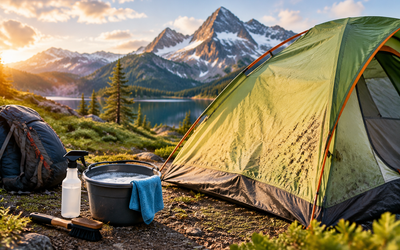
Organization becomes critical in wet conditions. Establish a "wet gear" zone in your vestibule for boots, rain jackets, and soggy stuff. Keep your sleeping area sacred—nothing wet crosses that threshold. Use a small pack towel to wipe down gear before bringing it inside.
Waterproof dry bags are non-negotiable for sleeping bags, spare clothing, and electronics. Compression dry sacks do double duty by reducing volume and protecting from moisture. For items that must be accessible (snacks, first aid, navigation), use ziplock bags as a second layer of protection.
Air out your tent when possible. Even in rain, brief breaks in weather offer opportunities to open vents and doors to dump accumulated moisture. If you're stuck in extended rain, wipe down interior walls with a bandana each morning to remove condensation before it drips on your gear.
For multi-day rain, rotate socks and base layers through a drying cycle: worn wet clothes go in a mesh bag outside your pack to air dry while hiking (body heat helps), tonight's damp set gets worn to sleep (body heat dries them partially), and tomorrow's dry set stays sealed in your dry bag.
Frequently Asked Questions
How do I prevent my tent from flooding in heavy rain?
Select a site on elevated ground with natural drainage, never in depressions or dry creek beds that can flood. Pitch your tent with a taught rain fly that extends close to the ground, creating a barrier between fly and tent body. Stake out all guy lines to maintain proper fly tension—this prevents water pooling and directs runoff away from the tent. Ensure your tent has a bathtub floor that extends several inches up the sidewalls and check that all seams are sealed before your trip.
What's the best way to dry wet gear while camping in rain?
Prioritize passive drying opportunities: hang items under a tarp where air can circulate, not stuffed in your tent. During brief breaks in rain, spread gear on rocks or bushes in sun or wind. Your body heat is a drying tool—wear damp base layers to sleep (not soaking wet, just damp) to accelerate drying. In extended rain, accept that some items will stay wet and focus on keeping one complete dry outfit sealed in a waterproof bag for sleeping and emergencies. Never try to dry items over a camp stove—it's a fire hazard.
Should I set up my tent in the rain or wait for a break in weather?
Set up immediately in most cases. Waiting for weather that may not improve just leaves you standing in the rain longer. The key is practicing setup in dry conditions first so you can do it efficiently when wet. Modern tents with color-coded clips and unified pole systems can be erected in minutes. Set up the tent body first, then immediately add the rain fly before rain soaks the interior. Have your partner hold the fly ready to minimize exposure time. If you're using a tarp-first method, string your tarp before unpacking tent components to create a dry work zone.
How do I keep condensation from soaking my sleeping bag?
Condensation forms when warm, moist air from your breathing meets cold tent fabric. Maximize ventilation by keeping vents and windows partially open even in rain—the fly keeps rain out while allowing moisture to escape. Avoid touching tent walls with your sleeping bag, as contact transfers moisture. Wipe down interior walls each morning with a bandana to remove condensation before it drips. In humid conditions, consider a vapor barrier liner inside your sleeping bag to trap moisture against your skin rather than letting it migrate into insulation.
What food works best for rainy camping trips?
Focus on meals that require minimal prep time outside and provide psychological comfort. Hot, one-pot meals like ramen, instant mashed potatoes with tuna, or dehydrated backpacking meals minimize time spent cooking in rain. Pack extra high-calorie snacks (nuts, chocolate, energy bars) that don't require preparation—you'll eat more frequently in camp when activities are limited. Bring ingredients for hot drinks (tea, cocoa, instant coffee) for morale-boosting warmth. If you're car camping with coolers, this is the time for indulgent comfort food that boosts spirits. For longer trips and food storage strategies that work in any weather, see our guide on how to store food while camping without attracting animals.
Final Thoughts
Rainy camping separates those who endure the outdoors from those who genuinely enjoy it in all conditions. The difference comes down to preparation and mindset. With proper shelter, clothing systems, and site selection, rain becomes a manageable variable rather than a trip-ender. The sound of rain on your tent fly, the rich smell of wet forest, the satisfaction of staying dry and comfortable despite challenging conditions—these are experiences that deepen your relationship with the outdoors.
We've walked through the gear that makes wet-weather camping comfortable, from bomber shelters like the Big Agnes Copper Spur to versatile rain jackets like the Patagonia Torrentshell. But equipment is only half the equation. The strategies for morale management, gear organization, and camp routines transform technical capability into actual enjoyment. Rain will test your systems, but each successful trip builds confidence for the next.
Start with one rainy overnighter close to home. Test your shelter's rain performance, your clothing system's limits, and your own adaptability. You'll quickly learn what works for your camping style—whether that's car camping with family or solo backpacking trips. The goal isn't to seek out rain but to embrace it when it arrives, knowing you have the skills and gear to stay comfortable. That confidence opens up entire seasons and destinations that fair-weather campers miss.
Editor's Choice
Big Agnes Copper Spur HV UL2 Backpacking Tent — The ultimate shelter for backpackers who demand ultralight weight without compromising rain protection, dual vestibules, or livability.
Patagonia Torrentshell 3L Rain Jacket — Reliable waterproof protection with pit-zips and packability that makes it the jacket you'll actually bring on every trip, not leave at home because it's too bulky.
TETON Sports Mountain Ultra Tent — Smart choice for car campers and beginners who want proven rain performance and generous interior space without the premium tent price tag.