Disclosure: As an Amazon Associate, HikePod earns from qualifying purchases at no extra cost to you.
⭐ Our Top Pick
🏆 Best Overall: Nikwax Tech Wash — removes mildew without stripping DWR coatings and actively restores water repellency.
💰 Best Value: OxiClean Versatile Stain Remover — tackles heavy mildew at a fraction of the cost when diluted properly.
Introduction
You open your gear bin after a season and there it is: that unmistakable musty smell and visible black or gray spots crawling across your tent fly. Mildew happens to even the most diligent campers—pack a tent before it's bone-dry just once, store it in a humid garage, or leave it damp in the back of your car, and spores start colonizing the fabric within 24–48 hours.
The panic question we hear constantly: "Can I actually clean this without destroying my tent's waterproofing?" The answer is yes, but the method matters. We've compiled research from gear manufacturers, fabric care specialists, and thousands of verified buyer experiences to identify cleaning approaches that remove mildew while preserving polyurethane (PU) and silicone coatings. The wrong cleaner—bleach, harsh detergents, hot water—can permanently degrade waterproof barriers and turn a $300 tent into a leaky disappointment.
This guide walks through the exact cleaning process, product choices, and preventive steps that keep your tent functional for years. If you're also dealing with compromised seams after cleaning, see our How to Waterproof Tent Seams Before They Leak guide for resealing techniques.
What to Look For
Cleaner Compatibility with Coatings: Not all tent fabrics are created equal. Silicone-coated (sil) fabrics handle different cleaners than polyurethane (PU) coatings. Tech washes like Nikwax are formulated for both, while enzyme-based or oxygen cleaners (OxiClean) work well on PU but require careful rinsing. Avoid anything with fabric softeners, which coat fibers and block water repellency.
Cold vs. Lukewarm Water Temperature: Heat accelerates coating breakdown. Stick to cold or lukewarm water (under 85°F / 30°C) for washing. Hot water causes PU coatings to delaminate—that sticky, peeling mess you might have seen on older tents.
Spot Treatment vs. Full Wash: Light surface mildew often responds to localized scrubbing with a sponge and diluted cleaner. Heavy colonization (mildew across seams, into mesh, or deep in fabric fibers) needs a full bathtub soak or gentle machine wash on delicate cycle with no spin.
Drying Method and Sun Exposure: UV light naturally kills mildew spores, but prolonged sun exposure degrades nylon and polyester. Air-dry in indirect sunlight or full shade, flipping the tent every few hours. Never use a dryer—heat ruins coatings and can melt no-see-um mesh.
DWR Restoration After Cleaning: Durable Water Repellent (DWR) treatments sit on the fabric surface and get stripped by any wash. After cleaning, you'll likely need to reapply a spray-on or wash-in DWR product (Nikwax TX.Direct, Gear Aid ReviveX) to restore beading.
Prevention Over Cure: Store tents completely dry in breathable bags (never stuff sacks long-term), and periodically air them out even when unused. A little prevention beats scrubbing mildew every season.
Cleaning Methods That Preserve Waterproofing
Method 1: Spot Cleaning with Specialized Gear Wash
| Criteria | Score |
|----------|-------|
| Ease of Use | 9/10 |
| Coating Safety | 10/10 |
| Mildew Removal Power | 7/10 |
| Cost Efficiency | 6/10 |
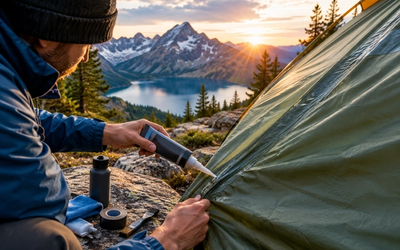
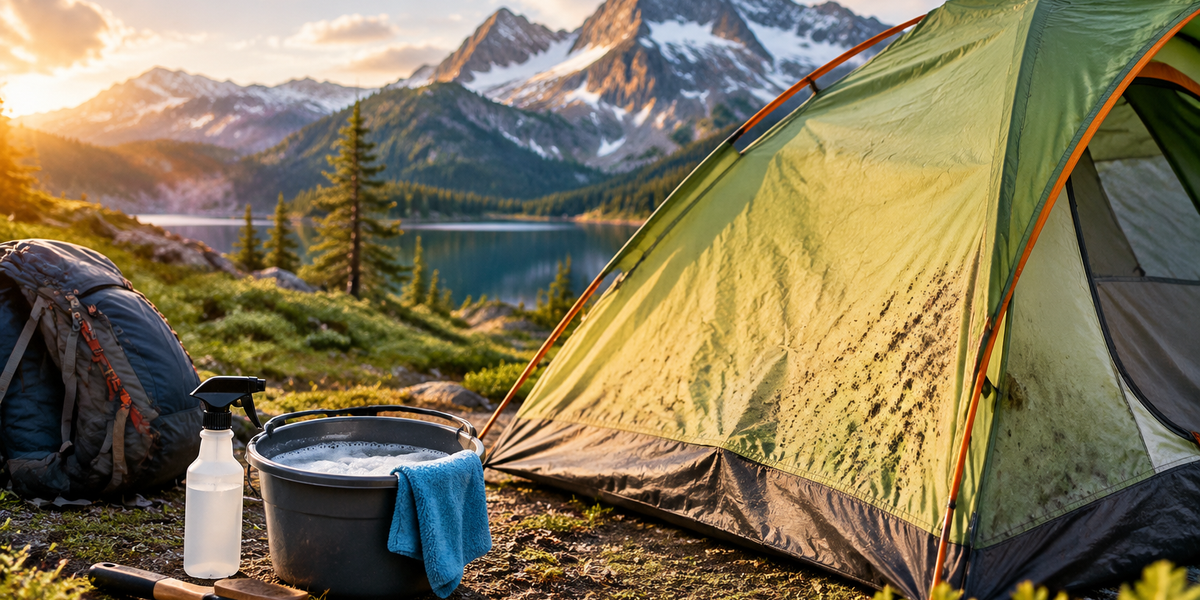
For early-stage mildew (small patches, surface-level spots), Nikwax Tech Wash delivers the safest, most effective clean. Set up your tent in the backyard or a large room. Mix 1 capful of Tech Wash with 1 liter of cold water in a spray bottle or bowl. Use a soft sponge or microfiber cloth to work the solution into affected areas, scrubbing gently in circular motions. Let it sit for 5–10 minutes, then rinse thoroughly with a garden hose on low pressure or sponge away with clean water. Tech Wash is pH-neutral and won't strip silicone or PU coatings—it's designed to clean while reviving DWR. This method works best when mildew hasn't penetrated deep into seams or spread across large areas.
✅ Pros:
- Zero risk to waterproof coatings
- Gentle enough for frequent use
- Leaves fabric feeling clean, not soapy
❌ Cons:
- Limited power against heavy, embedded mildew
- More expensive per use than household alternatives
💡 Pro Tip: After spot cleaning, hang the tent to dry completely, then do a spray-bottle water test—if water beads and rolls off, your DWR is intact. If it soaks in, reapply a DWR treatment.
Method 2: Bathtub Soak with Oxygen Cleaner (OxiClean)
| Criteria | Score |
|----------|-------|
| Ease of Use | 7/10 |
| Coating Safety | 8/10 |
| Mildew Removal Power | 9/10 |
| Cost Efficiency | 10/10 |
When mildew has colonized large sections or seeped into seams, OxiClean Versatile Stain Remover becomes the budget hero—but only with proper dilution. Fill a bathtub with cold water (enough to submerge the tent), add 1–2 scoops of OxiClean (following package directions for light-to-moderate stains, not the heavy-duty ratio), and stir until dissolved. Submerge the tent body and fly, gently agitating by hand to work the solution through fabric. Let soak for 30–60 minutes (no longer—extended exposure can start breaking down PU coatings). Drain the tub, rinse the tent thoroughly under cold running water until all cleaner residue is gone (squeeze sections gently, never wring), then hang to air-dry. OxiClean's oxygen-based formula oxidizes organic stains like mildew without the harshness of chlorine bleach.
✅ Pros:
- Outstanding mildew removal on stubborn cases
- Fraction of the cost of specialty cleaners
- Readily available at any grocery store
❌ Cons:
- Requires careful attention to dilution and soak time
- Will strip DWR (plan to reapply afterward)
- Not ideal for silicone-coated ultralight tents
💡 Pro Tip: Test OxiClean on a hidden tent corner first (inside seam allowance) and check after 15 minutes to confirm no coating damage before committing to a full soak.
Method 3: Gentle Machine Wash with Gear Aid Revivex
| Criteria | Score |
|----------|-------|
| Ease of Use | 8/10 |
| Coating Safety | 9/10 |
| Mildew Removal Power | 8/10 |
| Cost Efficiency | 7/10 |
For backpackers with high-end silnylon or silpoly tents, Gear Aid Revivex Pro Cleaner offers machine-wash convenience without coating risk. Check your tent's care tag—most allow front-load washers on delicate cycle with no spin. Place the tent in a mesh laundry bag or pillowcase (protects zippers and prevents snagging), add 2 capfuls of Revivex to the detergent compartment, and run a cold-water delicate cycle with an extra rinse. Skip the spin cycle entirely—pull the tent out soaking wet and drip-dry it on a clothesline or shower rod. Revivex is formulated to remove body oils, tree sap, and organic residues (including mildew) while being safe for technical waterproof/breathable fabrics. It's particularly good at cleaning without leaving residue that attracts dirt.
✅ Pros:
- Convenient for full tent cleaning
- Trusted by gear manufacturers (recommended by MSR, Big Agnes)
- Effective on oils and organic stains
❌ Cons:
- Smaller bottle means higher per-wash cost
- Still requires DWR reapplication afterward
- Not as aggressive on heavy mildew as OxiClean
✅ Pros:
- Machine-washable convenience
- Safe for premium fabrics
- Removes odors along with mildew
❌ Cons:
- Pricier per ounce than alternatives
- Requires front-load washer (top-loaders with agitators can damage coatings)
What NOT to Use: Bleach, Vinegar, and Detergents
Bleach (sodium hypochlorite) permanently damages polyurethane coatings and weakens nylon fibers—even diluted bleach causes brittleness and discoloration. White vinegar, often suggested for mildew, is acidic enough to degrade PU over time and does little against embedded spores. Standard laundry detergents contain surfactants and brighteners that coat fabric fibers, blocking water repellency and attracting dirt. If someone suggests borax, know that it's alkaline and can break down adhesives used in seam tapes.
Restoring Water Repellency After Cleaning
Any wash—even with tent-safe cleaners—strips the DWR finish. After your tent is completely dry, reapply water repellency with a product matched to your fabric type. For silicone-coated tents, nothing works—sil fabrics are inherently waterproof and don't take DWR treatments. For PU-coated and standard nylon/polyester tents, spray-on treatments like Nikwax TX.Direct Spray or Gear Aid ReviveX spray restore beading. Apply in a well-ventilated area, hold the bottle 6 inches from the fabric, and spray evenly across the fly and tent body exterior. Let it dry for 24 hours before packing. Wash-in DWR treatments (added during a rinse cycle) provide more even coverage but require another wash cycle.
💡 Pro Tip: Test water repellency by spritzing a small area with a spray bottle—water should bead up and roll off, not soak in. If it soaks, apply another coat of DWR.
Preventing Mildew: Storage and Maintenance Basics
Mildew prevention is simpler than mildew removal. Always dry your tent completely before storage—pitch it at home after a trip, wipe down condensation, and let it air out for 24 hours minimum. Store in a large mesh bag or loose cotton sack (never in the tight stuff sack it came with, which traps moisture). Avoid hot attics, damp basements, and sealed plastic bins. If your tent does get stored slightly damp by accident, check it within a week and air it out—catching mildew early makes cleaning exponentially easier. During the off-season, pull your tent out every few months and let it breathe. If you camp in humid climates, consider adding a small desiccant pack (silica gel) to your storage bag, though it's not a substitute for proper drying.
Frequently Asked Questions
Can I use hydrogen peroxide to kill mildew on my tent?
Hydrogen peroxide (3% household strength) can kill mildew spores on contact, but it also bleaches fabric and degrades polyurethane coatings over time. It's safer than chlorine bleach but still risky for waterproof layers. If you're in the field with no other options, dilute it heavily (1 part peroxide to 4 parts water), spot-treat only, and rinse thoroughly. For home cleaning, stick to oxygen-based cleaners like OxiClean or gear-specific washes.
Will cleaning my tent remove its waterproof coating entirely?
No, but it will remove the DWR topcoat (the treatment that makes water bead up). The underlying PU or silicone coating (applied to the fabric back during manufacturing) stays intact if you avoid hot water, harsh chemicals, and excessive scrubbing. DWR is a surface treatment that washes off with any cleaner—you simply reapply it after cleaning. The key is choosing pH-neutral or low-alkaline cleaners that don't chemically attack the base coating.
How do I know if my tent's waterproof coating is already damaged?
Look for sticky, tacky patches on the tent floor or fly interior—that's polyurethane delamination (hydrolysis), which happens when PU coatings break down from age, humidity, or improper storage. You'll also see flaking or peeling. If this is happening, no amount of cleaning will restore waterproofing—you'll need to strip the old coating and reapply a new layer (a DIY project using products like Gear Aid Seam Grip or a professional recoating service). If your tent just looks dirty but water still beads on the exterior after a DWR refresh, the coating is fine.
Can I clean tent mesh and zippers the same way as the fabric?
Yes, mesh and zippers handle the same gentle cleaners (Nikwax, OxiClean, Revivex) without issue. For zippers, use a soft toothbrush to scrub away dirt and mildew from the teeth and zipper tape while the tent is submerged or soapy. After drying, apply a zipper lubricant (like Gear Aid Zip Tech or pure silicone spray) to keep them running smoothly—cleaning strips away any factory lubricant.
Is it safe to pressure-wash a tent?
No. Pressure washers force water through fabric pores, seams, and coatings at high velocity, causing delamination and seam failure. Even on the lowest setting, the pressure is too intense for thin nylon or polyester tent fabrics. Use a garden hose on low pressure or hand-rinse with a sponge instead.
Final Thoughts
Mildew on a tent feels like a death sentence, but it's almost always reversible with the right cleaning approach. The key is respecting your tent's coatings—cold water, pH-neutral or oxygen-based cleaners, gentle agitation, and thorough rinsing keep waterproof barriers intact while eliminating spores and odor. Skip the internet myths (bleach, vinegar, dish soap) and reach for proven gear-safe products.
After cleaning, always reapply DWR to restore water repellency, and commit to better storage habits—dry storage in breathable bags prevents 99% of future mildew problems. A tent that's cleaned properly and maintained well will outlast a neglected one by years. When you're ready to hit the trail again and want to ensure your water stays clean too, our recommendations include the ultralight Sawyer Squeeze Water Filter System (just 3 ounces with a lifetime warranty) or the perennial favorite LifeStraw Personal Water Filter (124,000+ reviews and no batteries required). Your tent—and your next adventure—will thank you.
Editor's Choice
Nikwax Tech Wash — The safest, most effective cleaner for tents with any coating type, specifically engineered to remove dirt and mildew while restoring water repellency.
OxiClean Versatile Stain Remover — Budget-friendly powerhouse for heavy mildew when properly diluted, offering exceptional stain removal at a fraction of specialty cleaner costs.
Gear Aid Revivex Pro Cleaner — Premium choice for high-end silicone or PU-coated tents, trusted by major gear manufacturers and safe for machine washing.