Disclosure: As an Amazon Associate, HikePod earns from qualifying purchases at no extra cost to you.
⭐ Our Top Pick
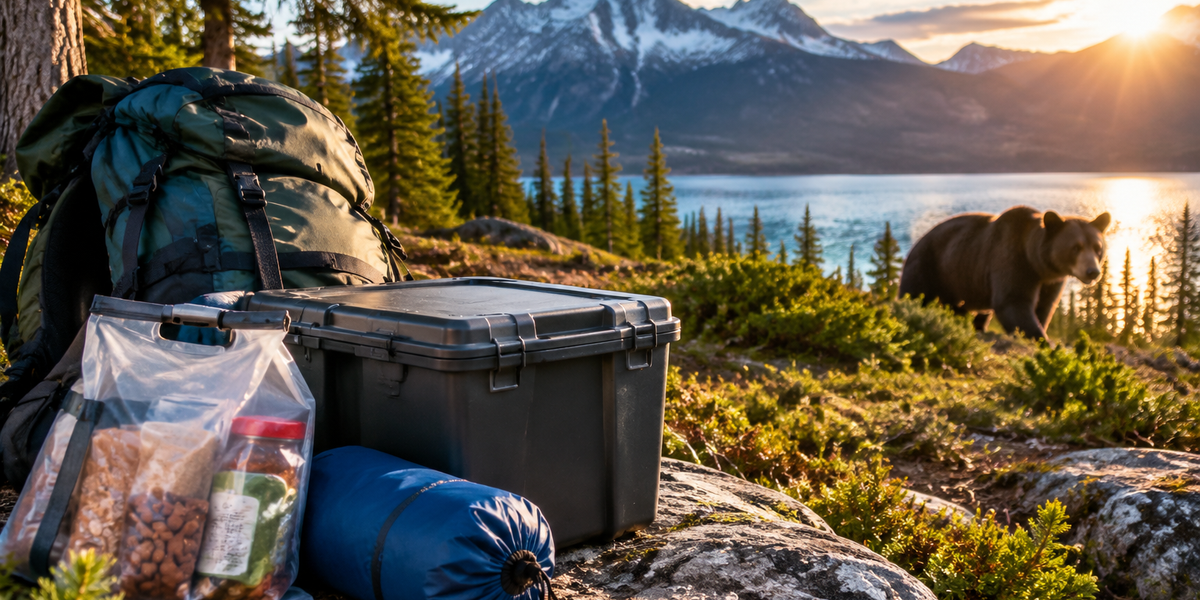
🏆 Best Overall: BearVault BV500 Food Container — IGBC-certified hard-sided canister that's required in grizzly country and proven against determined bruins.
💰 Best Value: Loksak Opsak Odor-Proof Bags — affordable odor barrier that pairs with any hanging or storage system.
Introduction
We've all heard the campfire stories: a bear shredding a tent to reach a granola bar, raccoons unzipping a backpack like seasoned thieves, or a marmot chewing through a food bag left in the vestibule. The reality is that improper food storage isn't just an inconvenience—it puts you, other campers, and wildlife at serious risk. Animals that associate humans with food often need to be relocated or euthanized, and you could face hefty fines in regulated areas.
After comparing dozens of storage methods and reviewing backcountry regulations across North America, we've identified the most effective strategies for keeping your provisions secure. Whether you're backpacking in grizzly territory or car camping in a crowded state park, the right approach depends on your location, the local wildlife, and your camping style. This guide breaks down what actually works based on field-tested methods, park service requirements, and verified performance data.
From bear canisters to proper hang techniques, we'll walk you through the decision tree so you can choose the system that fits your trip—and sleep soundly knowing your breakfast is still there in the morning.
What to Look For
Wildlife Pressure Level: Grizzly zones demand IGBC-certified bear canisters or approved bear-resistant lockers. Black bear areas often allow bear hangs or Ursack-style bags. Low-pressure zones (mostly rodents and raccoons) still require odor barriers but give you more flexibility. Check local regulations before you pack—Yosemite, the Sierra Nevada, and much of the Rockies have strict canister requirements.
Weight and Pack Space: Hard-sided bear canisters weigh 2–3 lbs and consume significant pack volume, making them tough for ultralight hikers or small packs. Soft-sided bear bags like the Ursack shave weight but still need tree tie-offs. Odor-proof bags (Opsak, Ziploc-style) add negligible weight and compress well but aren't standalone solutions.
Ease of Deployment: Hanging a bear bag correctly (PCT method, counterbalance) requires practice, paracord, and suitable trees—not always available above treeline or in heavily used sites. Canisters and lockers are faster to deploy but limit where you can camp if you need a flat spot for the canister. Consider your skill level and typical camping terrain.
Odor Control: Even if a container is physically bear-proof, leaked food smells will draw animals to your site. Double-bagging in odor-proof liners (Opsak, unscented trash compactor bags) is non-negotiable. Store all scented items—toothpaste, sunscreen, bug spray, chapstick—not just food. If you're cooking near your tent, you're already making mistakes.
Versatility and Durability: Multi-day trips mean your storage system takes a beating. Bear canisters double as camp stools and last for years. Soft bags tear on sharp branches or repeated animal contact. Reusable odor bags degrade after 50+ uses. Budget for replacements if you're a frequent backpacker, and test your system on a short trip before committing to a week-long expedition.
Legal Compliance: Fines for improper storage run $100–$5,000 depending on jurisdiction. The White Mountains, Adirondacks, and most Western national parks publish approved storage lists. When in doubt, call the ranger station—"I didn't know" won't fly if a bear gets your stash, and repeat offenders can lose backcountry permits.
Bear Canisters: The Gold Standard
BearVault BV500 Food Container
| Criteria | Score |
|----------|-------|
| Bear Resistance | 10/10 |
| Capacity | 8/10 |
| Weight | 6/10 |
| Ease of Use | 9/10 |
The BearVault BV500 is the most widely approved bear canister in North America, certified by the Interagency Grizzly Bear Committee and accepted in virtually every regulated zone. At 2.7 lbs and 700 cubic inches of capacity, it holds 5–7 days of food for one person or 2–3 days for two, depending on your meal density. The clear lid is a smart design choice—you can see what's inside without opening it in the dark—and the screw-top mechanism is tool-free but still bear-proof (though some determined bears have learned to roll them off cliffs, so wedge it between rocks or logs).
In practice, the BV500 fits snugly in most 60L+ packs when positioned vertically, and it doubles as a surprisingly sturdy camp seat. The 300 lb weight rating means you can sit on it while cooking or filtering water. Yes, it's bulky and adds noticeable weight, but that's the price of compliance and peace of mind. If you're planning a trip to Yosemite, Rocky Mountain, or any park with active grizzly populations, this is the default choice.
✅ Pros:
- Accepted in all major bear zones (check individual park lists)
- Clear lid for visibility
- Doubles as camp furniture
- Tool-free opening
❌ Cons:
- 2.7 lbs is heavy for ultralight setups
- Takes up pack volume even when empty
- Rolling risk if not secured properly
💡 Pro Tip: Pack your canister tightly to minimize rattling on the trail. Put soft items like tortillas or bread on top to cushion the load.
Ursack AllMitey Bear Bag
| Criteria | Score |
|----------|-------|
| Bear Resistance | 8/10 |
| Weight | 10/10 |
| Odor Control | 9/10 |
| Versatility | 7/10 |
For weight-conscious backpackers, the Ursack AllMitey splits the difference between a traditional bear hang and a hard canister. At just 7.8 oz, it's a fraction of the BV500's weight, yet it's made from bulletproof Spectra fabric that bears can't shred. The included odor-proof liner (similar to Opsak material) blocks scent, addressing the biggest weakness of traditional stuff-sack hangs. You still need to tie it to a tree (Ursack requires a specific wrapping method around the trunk), but you don't need perfect overhead branches like a PCT hang.
The catch: Ursack is legal in many bear zones but not all. Some parks require hard-sided canisters regardless of the Ursack's testing credentials, so verify before you rely on it. And while a bear can't tear the bag, they can still crush or puncture the food inside—your tortillas might be flattened and your energy bars pulverized. Still, for Sierra shoulder-season trips or black bear zones where regulations are more flexible, the weight savings are game-changing.
✅ Pros:
- Ultralight at 7.8 oz
- Odor-proof liner included
- IGBC-tested and approved in many zones
- Packs down smaller than hard canisters
❌ Cons:
- Not universally legal (check specific park rules)
- Requires tree and proper tie-off technique
- Contents can be crushed by persistent animals
Bear Hangs: When Technique Matters
If you're camping where canisters aren't required and suitable trees are available, a properly executed bear hang is a zero-cost, lightweight option—but only if done correctly. The PCT method (one rope over a high branch, 12+ feet high and 6+ feet from the trunk, bag suspended 10+ feet off the ground) is the standard, but finding the right tree in heavily used sites is increasingly difficult. The counterbalance method (two bags on opposite ends of a rope, thrown over a branch) is more reliable but requires equal weight distribution and practice.
Common mistakes that render hangs useless: hanging too low (bears climb and jump), too close to the trunk (they shimmy out on branches), or using paracord that squirrels and mice chew through. Use smooth, thick cord (Kelty's hootie-style bag hangers or amsteel cord work well) and inspect your knots twice. Even then, raccoons and rodents are shockingly good at defeating mediocre hangs, so double-bag everything in odor-proof liners first.
When to skip the hang: Above treeline, in desert environments, in heavily used sites where all the good branches are taken, or if you're not confident in your knot work. A bad hang is worse than no hang—you'll wake up to shredded gear and a long, hungry hike out.
💡 Pro Tip: Practice your bear hang in your backyard or a local park before your trip. The middle of the night in the backcountry is not the time to troubleshoot a tangled rope.
Odor Control: The First Line of Defense
Loksak Opsak Odor-Proof Bags
| Criteria | Score |
|----------|-------|
| Odor Blocking | 10/10 |
| Durability | 7/10 |
| Value | 9/10 |
| Versatility | 10/10 |
Even the best bear canister won't help if your food reeks from twenty feet away. Loksak Opsak bags are purpose-built odor barriers with hermetically sealed seams and lab-tested scent containment (they claim to block 99% of odors, and field reports back that up). We recommend using them inside your canister, Ursack, or hang bag as a first layer—they're also watertight, so they double as insurance against stream crossings or rain.
Opsaks come in multiple sizes (12"x20" is the sweet spot for 2–3 days of food), and they're reusable if you treat them gently. After 30–50 uses, the seams start to weaken, especially if you stuff sharp items like tent stakes or fuel canisters in with your food (don't do that). For the price ($15 for a two-pack), they're an essential upgrade over regular Ziplocs, which leak odor and puncture easily.
Pair Opsaks with unscented trash compactor bags as an outer layer for extra durability, or use them to organize scented toiletries separately from food. The key is consistency: if it smells, it goes in the bag. Period.
✅ Pros:
- Lab-verified odor blocking
- Watertight and resealable
- Lightweight (under 1 oz per bag)
- Works with any storage system
❌ Cons:
- Seams degrade after heavy use
- Not puncture-proof (sharp items will tear them)
- More expensive than regular Ziplocs
Car Camping: Lockers, Coolers, and Vehicle Storage
Car camping simplifies food storage—if you're in a developed campground with bear lockers, use them. Period. These steel boxes are bolted down and designed to withstand grizzly attacks. Load everything scented (food, coolers, trash, toiletries) before bed, and make sure the latch is fully closed. Bears learn to recognize cooler shapes and will peel open car doors like tuna cans to reach them, so never leave food in your vehicle overnight unless you're in a non-bear area.
If lockers aren't available, store coolers in your vehicle's trunk or covered truck bed (out of sight to avoid opportunistic theft), and crack a window for ventilation to prevent odor buildup. Yeti-style hard coolers are not bear-proof unless specifically IGBC-certified (most aren't), so don't assume your $400 cooler will save you. Soft-sided coolers are dinner bells—never leave them outside or in an open truck bed.
For primitive car camping in dispersed sites, treat your vehicle like a backcountry camp: store food in a canister or hang it from a tree 100+ feet from your tent and vehicle. If a bear does investigate your car, don't leave anything valuable inside—they're more interested in your ham sandwich than your GPS, but they'll destroy both in the process.
Campsite Setup and Hygiene
Storage gear is only half the equation. Where you cook, eat, and sleep matters as much as how you store food. The classic triangle setup—tent, cooking area, and food storage each 100+ feet apart and downwind of your tent—is the standard in bear country. In practice, this means you're walking a minute or two from your tent to cook, which feels excessive until you remember that a bear following food smells will pass your tent to reach the source.
Cook and eat in the same spot, well away from camp. Strain dishwater to remove food particles (pack out the solids), and broadcast the greywater widely rather than dumping it in one spot. Change out of your cooking clothes before bed—fabric absorbs food odors, and we've heard of bears investigating tents because someone wore their dinner shirt to sleep. Pack a separate "sleeping outfit" and store your cooking clothes with your food.
Wipe down your tent floor and gear with unscented wipes if you've spilled anything. Even trace smells can attract rodents, which then attract predators. If you're using a camping stove, our guide to cleaning and maintaining a camping stove covers proper fuel handling and preventing spills that can also draw attention.
💡 Pro Tip: If you're camping with a dog, their food and bowls go in your bear canister or hang bag too. Pet food is shockingly attractive to wildlife.
Special Considerations: Winter, Desert, and Backcountry Zones
Winter camping reduces bear encounters (most are hibernating), but wolverines, foxes, and ravens are opportunistic year-round. Hang your food or use a canister even in snow—mice and voles tunnel under snowpack and will chew through fabric bags overnight. In the desert, javelinas, coyotes, and rodents are the primary concern. Shade your canister if temps exceed 90°F to avoid cooking your food inside.
Above treeline or in areas without suitable hang trees, canisters are non-negotiable. Some alpine zones prohibit camping altogether to protect fragile ecosystems, so check regulations. If you're stealth camping in dispersed areas, choose your site carefully—our guide to choosing a campsite covers evaluating terrain for safety and Leave No Trace principles, including wildlife considerations.
In heavily trafficked zones like the John Muir Trail or popular state parks, competition for bear lockers or good hang trees can be fierce. Arrive early to secure a site, or carry your own canister as a backup. Rangers patrol these areas and will ticket you on the spot for improper storage—$300+ fines are common, and repeat violations can result in permit suspensions.
Frequently Asked Questions
Can I just keep food in my tent if I'm quiet?
Absolutely not. Bears have a sense of smell 2,100 times better than humans and can detect food from miles away. Keeping food in your tent puts you directly in the path of any animal investigating the scent. This is how most serious wildlife encounters happen, and it's illegal in most managed camping areas. Even in low-risk zones, rodents will chew through tent fabric to reach food, destroying your shelter.
Do bear bells or noise scare animals away from my food storage?
No. Bear bells are for trail safety (alerting bears to your presence while hiking), not deterring them from investigating a food source. Once a bear or raccoon has located food, noise won't dissuade them—they're highly food-motivated and will tolerate significant discomfort to access calories. Your job is to make the food physically inaccessible, not to scare animals away.
How far should my food storage be from my tent?
The standard recommendation is 100 feet minimum (about 30 paces) in a triangle configuration: tent, cooking area, and food storage each 100+ feet apart. In high-pressure bear zones, some rangers recommend 200 feet. The idea is that if an animal investigates your food, they won't stumble across your tent in the process. Always store food downwind of your sleeping area if possible.
Can I store food in my backpack if I hang the whole pack?
Technically yes, but it's not ideal. Packs are expensive, and bears or rodents may damage straps, zippers, and fabric trying to access the food. It's smarter to use a dedicated stuff sack or dry bag for food and hang that, keeping your pack safe in your tent (remove all hip-belt pockets and shoulder-strap stash spots first—animals learn to target these). If you must hang your pack, remove the hip belt and shoulder straps to minimize damage if an animal investigates.
What about bear spray? Does that protect my food?
Bear spray is a defensive tool for surprise encounters on the trail, not a food-protection strategy. Spraying it around your campsite or on your food bags is ineffective and can actually attract bears (capsaicin is derived from peppers, which bears find interesting). Store your bear spray in your tent at night for personal defense, not near your food. The only proven food protection methods are physical barriers—canisters, proper hangs, or approved lockers.
Final Thoughts
Storing food properly while camping isn't about paranoia—it's about respecting wildlife, protecting yourself, and preserving backcountry access for future campers. Animals that learn to associate humans with food become dangerous and often meet a tragic end. The methods we've outlined here are proven across thousands of camper-nights in every terrain and wildlife scenario.
For most backpackers, the decision boils down to this: if you're in grizzly country or a park with canister requirements, invest in a BearVault BV500 and call it done. If you're chasing ultralight miles in black bear zones, the Ursack AllMitey buys you weight savings without sacrificing legality (just verify local rules first). And regardless of your storage method, double-bag everything in Opsak odor-proof liners—it's the cheapest insurance you can buy.
The learning curve is real: your first bear hang will take twenty minutes and involve some cursing, and your first night with a canister will feel like you're lugging a bowling ball. But after a few trips, these systems become second nature, and you'll sleep better knowing your breakfast is secure. Start with the system that fits your typical camping style, practice it at home, and adjust based on experience. The bears (and your fellow campers) will thank you.
Editor's Choice
BearVault BV500 Food Container — The default choice for anyone camping in regulated bear zones, with universal acceptance and proven durability that justifies the weight.
Ursack AllMitey Bear Bag — Best for ultralight backpackers in areas where soft-sided storage is legal, offering serious weight savings without sacrificing protection.
Loksak Opsak Odor-Proof Bags — Essential odor control that pairs with any storage system, protecting both your food and the wildlife.