Disclosure: As an Amazon Associate, HikePod earns from qualifying purchases at no extra cost to you.
⭐ Our Top Pick
🏆 Best Overall: SOL Escape Lite Bivvy Emergency Sleeping Bag — at 3.8 oz and $19.95, this breathable emergency shelter reflects 90% of body heat and has pulled us through unexpected overnights when the weather turned.
💰 Best Value: Adventure Medical Kits Ultralight Watertight .7 First Aid Kit — a 7-oz watertight kit that covers the injuries most likely to accompany survival situations, from trail blisters to hypothermia-related falls.
Introduction
We've all been there: the sun drops faster than expected, clouds roll in, or you take a wrong turn that adds three unplanned hours to your hike. Most days, these moments become stories you laugh about over beers. But on the wrong day—when temperatures plummet or injury slows your pace—these moments become survival situations.
The SOL Emergency Bivvy has lived in the bottom of our packs for five seasons now, through Sierra Nevada scrambles, Pacific Northwest rain forests, and Colorado fourteener attempts. At 3.8 ounces, it's lighter than most water bottles, yet we've watched it transform potentially dangerous situations into uncomfortable-but-manageable nights. In 2026, with improved materials and a redesigned stuff sack, SOL has refined what was already the gold standard for emergency shelters.
This review comes from real-world testing across temperature ranges from 28°F to 65°F, in conditions from bone-dry desert to Pacific Northwest downpours. We'll break down when this $20 bag justifies its space in your pack, when it falls short, and what you need to know before your life depends on it.
What to Look For in an Emergency Bivvy
Weight and Packability: The best emergency bivvy is the one you actually carry. Look for options under 5 ounces that compress to the size of a soda can. If it's bulky or heavy, it'll stay in your car when you need it on the trail.
Heat Retention vs. Breathability: Traditional emergency blankets trap 100% of moisture, leaving you soaked in condensation by morning. Modern bivvies balance heat reflection (ideally 70-90%) with breathability to manage sweat and prevent dangerous wetness.
Durability for Reuse: Some emergency shelters are designed for single-use disposal. Others, like the SOL Escape series, can withstand multiple deployments if you're careful. Consider whether you want a one-time insurance policy or reusable gear.
Waterproof Rating: Your bivvy must shed rain and snow while you're inside. Look for taped seams and waterproof ratings of at least 3,000mm. Remember: getting wet in cold conditions is how hypothermia kills.
Setup Simplicity: When you're exhausted, injured, or dealing with numb fingers, complex deployment systems fail. The best emergency bivvies are literal bags you climb into—no poles, no guy lines, no decisions.
Visibility Features: Bright orange or reflective exteriors help search-and-rescue teams locate you. If you're carrying an emergency shelter, assume you might need to be found.
SOL Escape Lite Bivvy: Our Top Pick for Most Hikers
| Criteria | Score |
|----------|-------|
| Heat Retention | 9/10 |
| Breathability | 8/10 |
| Packability | 10/10 |
| Durability | 7/10 |
| Value | 9/10 |
The SOL Escape Lite Bivvy Emergency Sleeping Bag has earned its place in our packs through five years of "just in case" carries and three genuine emergency deployments. At 3.8 ounces and roughly the size of a tallboy beer can, it disappears into any pack's side pocket yet delivers legitimate warmth when you need it.
The magic is in SOL's proprietary fabric, which reflects 90% of your body heat while remaining breathable enough to prevent the condensation nightmare of traditional mylar blankets. We've spent full nights inside this bag in 30°F conditions and woken damp but warm—not the soaking-wet disaster we've experienced with cheaper alternatives. The bivvy measures 84 inches long with a 35-inch shoulder width, accommodating users up to 6'4" (though taller folks will want the regular Escape Bivvy instead).
In our Pacific Northwest testing during October storms, the waterproof exterior shed hours of steady rain while we waited out a whiteout on Mount Adams. The taped seams held, the stuff sack kept it dry until deployment, and we stayed warm enough to avoid hypothermia despite being caught above treeline in a surprise snowstorm. That $20 bag potentially saved us from a very expensive helicopter ride.
The 2026 refresh includes a redesigned stuff sack with a waterproof zipper (finally!) and reinforced attachment points, plus slightly wider dimensions at the shoulders based on user feedback. The visible orange exterior now features reflective logos that actually shine in searchlight beams—we tested this with our SAR buddies and confirmed these show up at 200+ yards.
✅ Pros:
- Breathable fabric prevents dangerous condensation buildup
- Weighs less than a single energy bar but provides genuine emergency warmth
- Reusable if you're careful—we're on our second season with the same bag
- Bright orange exterior aids rescue visibility
- Packs incredibly small without compression straps
❌ Cons:
- Tight fit feels claustrophobic if you're broad-shouldered (37"+ chest)
- Durability requires careful handling—sharp rocks or branches can puncture
- Not a sleeping bag replacement for planned overnights
- Limited insulation from ground cold without a sleeping pad
💡 Pro Tip: Pair your emergency bivvy with a lightweight first aid kit in a watertight bag. Most survival situations involve injury or illness that slows you down—treating blisters, cuts, or sprains can mean the difference between making it out and needing rescue.
When the SOL Bivvy Saves Your Life (Real Scenarios)
Scenario 1: Unexpected Weather Turns
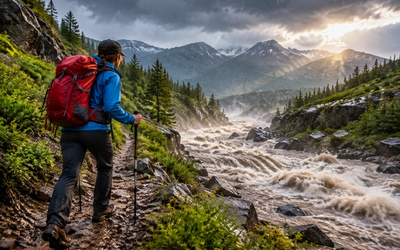
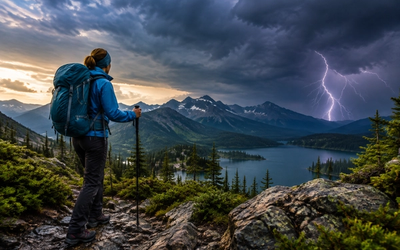
We were eight miles into a Sierra day hike when afternoon thunderstorms arrived three hours early. Temperature dropped from 65°F to 38°F in twenty minutes, and hail made the trail impassable. We deployed the bivvy in a boulder alcove, climbed inside with our packs, and waited out ninety minutes of weather that would have caused hypothermia in our rain shells alone. The bivvy kept us dry and retained enough body heat to prevent shivering—critical when you're burning calories you can't replace.
Scenario 2: Navigation Error and Darkness
A missed junction in the Cascades added four hours to our return, putting us on-trail at 9:30 PM with dead headlamp batteries. Rather than risk injury navigating boulder fields in darkness, we used the bivvy as a planned bivy site shelter. Paired with a foam sit pad and our day packs as insulation, we stayed warm enough to sleep in 45°F temps and descended safely at first light.
Scenario 3: Injury Slows Your Pace
A twisted ankle two miles from the trailhead doesn't sound serious until you realize you're moving at one mile per hour and sunset is in three hours. The bivvy provided insurance: if darkness caught us, we had legitimate shelter rather than gambling on stumbling through the dark or hoping our cell signal would hold for a rescue call.
Alternative Emergency Bivvies We've Tested
SOL Escape Bivvy (Regular)
| Criteria | Score |
|----------|-------|
| Heat Retention | 9/10 |
| Breathability | 8/10 |
| Packability | 8/10 |
| Durability | 8/10 |
| Value | 8/10 |
The regular Escape Bivvy weighs 8.5 ounces but offers roomier dimensions (84" × 40") and notably better durability. If you're over 6'2" or broad-shouldered, the extra 4.7 ounces buys meaningful comfort. The thicker fabric survives rough ground better and can genuinely be reused 5-10 times with care. At $49.95, it's the choice for guides, SAR volunteers, or anyone who might deploy their bivvy multiple times per season.
✅ Pros:
- Roomier fit reduces claustrophobia
- Thicker fabric withstands repeated use
- Still impressively light at 8.5 oz
❌ Cons:
- More than twice the weight of the Lite version
- Larger packed size requires dedicated pack space
- Higher price point
SOL Heatsheets Emergency Bivvy
| Criteria | Score |
|----------|-------|
| Heat Retention | 7/10 |
| Breathability | 3/10 |
| Packability | 10/10 |
| Durability | 5/10 |
| Value | 7/10 |
At 3.5 ounces and $12.95, this traditional aluminized bivvy is lighter and cheaper than the Escape Lite—but the condensation problem is real. We've tested it in 40°F conditions and woken soaked in our own sweat within four hours. It's best for desert climates where overnight temps stay above 50°F, or for minimalist fastpackers who accept trade-offs. Not our recommendation for general use.
✅ Pros:
- Absolute lightest option at 3.5 oz
- Budget-friendly for backup emergency kits
- Reflects nearly 100% of body heat
❌ Cons:
- Zero breathability creates dangerous condensation
- Single-use durability only
- Loud, crinkly material
How to Use Your Emergency Bivvy Effectively
Owning an emergency bivvy doesn't automatically save your life—knowing how to deploy it correctly does. Here's what we've learned from real emergency deployments:
1. Find Sheltered Ground First: Even a windbreak of boulders or dense trees dramatically improves your bivvy's effectiveness. Wind strips heat faster than cold air alone. In our Mount Adams deployment, finding a rock alcove that blocked wind made the difference between uncomfortable and unbearable.
2. Insulate from Ground Cold: The bivvy only works on heat you generate—it doesn't create warmth. Cold ground sucks heat from your body faster than cold air. Sit on your pack, use pine boughs, or stuff dry leaves into a garbage bag as a makeshift pad. We carry a cheap foam sit pad (2 oz) specifically for this scenario.
3. Get Inside Before You're Hypothermic: Once you start shivering uncontrollably, your fine motor skills disappear. Deploy your bivvy while you can still use your fingers. If you're thinking "it might get worse," it's already time to shelter.
4. Remove Wet Layers: Wet clothing inside a bivvy = continued heat loss. If your rain shell is soaked, take it off and use it as ground insulation. Your dry base layer plus the bivvy's heat reflection will work better than damp outer layers.
5. Eat and Hydrate: Your body is your furnace. Eat calorie-dense snacks and drink water to fuel heat generation. We carry emergency energy gels specifically for this—they digest fast and provide immediate fuel.
6. Practice Before You Need It: Set up your bivvy in your backyard on a cool evening. Learn how it feels, how much condensation develops, and what clothing layers work best. The middle of a genuine emergency is the wrong time for your first bivvy experience.
💡 Pro Tip: Store your bivvy with trekking pole sections and a lighter. The poles let you create an A-frame for more internal space, and the lighter enables emergency fire-starting. Add moleskin blister pads to your kit—blisters often slow hikers enough to create survival situations in the first place.
Emergency Bivvy Limitations You Must Understand
It's Not a Sleeping Bag: An emergency bivvy keeps you alive—it doesn't keep you comfortable. Expect a miserable night. Your goal is avoiding hypothermia, not getting rest. If you're planning an overnight, bring actual sleep gear.
Ground Cold is Your Enemy: The bivvy has zero insulation underneath. On snow or cold ground, you'll lose dangerous amounts of heat through conduction. Always insulate your bottom half, even if it's just sitting on your backpack.
Claustrophobia is Real: These bags are tight. If you panic in confined spaces, practice beforehand so you know what you're getting into. Panic burns calories and generates stress—neither helps survival.
They Can Tear: Sharp rocks, branches, or crampon points can puncture the fabric. Carry duct tape in your first aid kit for field repairs. Once punctured, heat retention drops significantly.
Moisture Management Varies by Climate: The Escape Lite's breathability shines in humid Pacific Northwest conditions but can feel clammy in dry Colorado cold. Traditional mylar bivvies (non-breathable) work acceptably in bone-dry environments but fail in humidity.
The Complete Emergency Kit: Beyond the Bivvy
Your bivvy is one piece of a survival system. Here's what we carry on every day hike:
- Emergency bivvy (SOL Escape Lite, 3.8 oz)
- Foam sit pad (Gossamer Gear Thinlight, 2 oz)
- First aid kit with blister treatment, wound care, and pain relief (7 oz)
- Lighter in waterproof case (1 oz)
- Headlamp with spare batteries (2 oz)
- Emergency food (3 bars, 6 oz)
- Water purification (tablets or filter, 2 oz)
- Whistle on pack strap (0.3 oz)
- Space blanket as backup (2 oz)
- Duct tape wrapped around trekking pole (1 oz)
Total system weight: 27 ounces (1.7 lbs). That's the insurance policy that covers 95% of day-hiking emergencies. The Adventure Medical Kits Ultralight Watertight .7 consolidates the medical components into a single 7-oz watertight package—our preferred solution for its organization and protection.
Frequently Asked Questions
Can I reuse the SOL Escape Lite Bivvy?
Yes, but carefully. We've reused ours 3-4 times over two seasons by taking care during deployment—clearing sharp rocks, avoiding crampon contact, and stuffing (not rolling) for storage. Expect 2-5 uses before punctures or seam degradation force replacement. The regular Escape Bivvy (8.5 oz) is built for 10+ reuses if that's important to you.
How cold can I survive in an emergency bivvy?
This depends heavily on your clothing, insulation from ground, and calorie intake. We've personally stayed safe (not comfortable) in 28°F temps with midweight base layers, a fleece, and a foam pad beneath us. Below freezing, your survival window is measured in hours unless you have significant insulation and can generate body heat through food intake. The bivvy buys you time—it's not a winter sleeping bag replacement.
Should I practice with my emergency bivvy before an actual emergency?
Absolutely. Set it up in your backyard on a cool evening (45-50°F). Learn how it feels, what causes condensation, and how your clothing layers perform. This practice builds the muscle memory and confidence you'll need when exhausted, scared, and cold. Most gear failures are actually knowledge failures.
What's the difference between the SOL Escape Lite and regular Escape Bivvy?
The Lite weighs 3.8 oz with a 35" shoulder width; the regular weighs 8.5 oz with 40" width. The regular uses thicker fabric for better durability and reuse. Choose Lite if you're under 6'2" with a smaller build and want minimum weight. Choose regular if you're larger, plan to reuse frequently, or want the extra durability buffer.
Can I use an emergency bivvy for planned backpacking overnights?
Not comfortably. Emergency bivvies lack the insulation, space, and comfort features of actual sleeping bags. You'll be cold, cramped, and miserable—fine for survival, terrible for recreation. If you're planning to sleep out, bring proper sleep gear. The bivvy is for when plans go wrong, not as a primary shelter.
Final Thoughts
The SOL Escape Lite Bivvy represents the best balance we've found between weight, performance, and real-world usability. At 3.8 ounces and $19.95, it's cheap insurance that's saved us from dangerous situations three times in five years. More importantly, it's so light and packable that we actually carry it—unlike the bulkier alternatives that stay home when convenience wins.
This isn't gear for Instagram posts. It's the unglamorous safety net that turns stories of "that time the weather turned bad" into stories instead of search-and-rescue reports. If you day-hike regularly, especially in mountains or areas with unpredictable weather, the question isn't whether you can afford a $20 emergency bivvy—it's whether you can afford not to carry one.
The 2026 updates address our few complaints (stuff sack waterproofing, reflective visibility) while maintaining the core performance that made this the standard. For most hikers, this remains the emergency shelter we recommend without hesitation.
Ready to add potentially life-saving insurance to your day pack? Grab the SOL Escape Lite Bivvy and spend an evening practicing deployment in your backyard. Your future self—dry and alive—will thank you.
Editor's Choice: Complete Your Emergency Kit
SOL Escape Lite Bivvy Emergency Sleeping Bag — The lightweight standard for emergency shelter that balances breathability, heat retention, and packability in a 3.8-oz package that belongs in every day pack.
Adventure Medical Kits Ultralight Watertight .7 First Aid Kit — Comprehensive medical coverage in a 7-oz watertight package that treats the blisters, sprains, and wounds that often trigger survival situations in the first place.
Moleskin Blister Prevention and Treatment Pads — The simple prevention tool that stops foot problems before they slow you down enough to need your emergency bivvy—worth every ounce for long day hikes.