Disclosure: As an Amazon Associate, HikePod earns from qualifying purchases at no extra cost to you.
⭐ Our Top Pick
🏆 Best Overall: TETON Sports Mountain Ultra Tent — color-coded poles and foolproof setup make your first night stress-free at an unbeatable $89.99 price.
💰 Best Value: MSR Hubba Hubba NX 2 — premium 3-season protection that justifies the investment if you're serious about exploring the outdoors.
Introduction
Your first night camping is a milestone. You've read the blogs, scrolled through Instagram photos of campfires under star-filled skies, and maybe watched a few YouTube setup tutorials. But as the sun sets and you're zipping up your tent for the first time, reality hits: the ground feels harder than expected, every rustle sounds like a bear, and you're not entirely sure if you staked the rainfly correctly.
We've talked to hundreds of first-time campers, and the anxiety is universal. The good news? Most of what you're worried about has a simple solution, and the experience is far more rewarding than intimidating once you know what to expect. Whether you're choosing between car camping vs backpacking or just trying to figure out dinner logistics, this guide walks you through your first night step-by-step.
From selecting a forgiving campsite to managing the inevitable "did I forget something?" panic, we'll cover the practical realities no one mentions in the glossy adventure photos. By the end, you'll head out prepared, not paranoid.
What to Look For
Choose a Beginner-Friendly Campsite — Start with an established campground that has amenities like restrooms, potable water, and level tent pads. Dispersed camping sounds romantic but adds navigation, sanitation, and safety challenges you don't need on Night One. Look for sites with nearby camp hosts or rangers.
Invest in a Forgiving Tent — Your shelter is your sanctuary. Prioritize tents with color-coded poles, simple clip systems, and full rainfly coverage. Freestanding designs (that don't require staking to stand up) offer flexibility if the ground is rocky. Expect to spend 10-15 minutes on your first setup, even with an "easy" model.
Plan for Temperature Swings — Nighttime temperatures drop 20-30°F from daytime highs, even in summer. Bring layers you can add or remove: a base layer, insulating fleece, and a puffy jacket. A Buff Original Multifunctional UV Headwear doubles as a neck gaiter for chilly mornings and a headband during setup.
Prepare for Sounds and Darkness — The outdoors is loud. Branches crack, animals forage, and wind rustles tent fabric. Bring earplugs if you're a light sleeper. A headlamp with red-light mode preserves night vision and doesn't blind tent-mates. Download offline maps and star-gazing apps before you lose cell signal.
Secure Your Food Properly — Scented items attract raccoons, bears, and rodents. Use bear-proof lockers if provided, or store food in a locked car. Never keep snacks, toiletries, or trash in your tent overnight. For more detail, see our guide on how to store food while camping without attracting animals.
Embrace the Learning Curve — Your first night won't be perfect. You'll forget to stake a corner, realize your sleeping pad has a slow leak, or discover your camp stove requires more finesse than expected. That's normal. Each mistake teaches you something for the next trip.
TETON Sports Mountain Ultra Tent
| Criteria | Score |
|----------|-------|
| Ease of Setup | 9/10 |
| Weather Protection | 8/10 |
| Weight (Portability) | 6/10 |
| Value for Beginners | 10/10 |
For first-timers on a budget, the TETON Sports Mountain Ultra Tent removes the guesswork. Color-coded poles match corresponding grommets, so you're not standing in the dark trying to decode which pole goes where. The full rainfly extends to the ground, creating a weatherproof cocoon that forgives rookie staking mistakes. At 6 lbs, it's too heavy for backpacking, but for car camping, the extra weight translates to sturdier fabric and more interior space.
The vestibule isn't massive, but it's enough to stash boots and a pack overnight. Ventilation is adequate for three-season use, though you'll want to crack the rainfly vents on humid nights to prevent condensation. Based on verified buyer reviews, the tent holds up to moderate rain and wind without leaking, assuming you seam-sealed it before the trip (a 10-minute task most beginners skip).
✅ Pros:
- Color-coded poles eliminate setup confusion
- Full rainfly coverage protects against unexpected weather
- Under $100 price point removes financial risk from your first outing
❌ Cons:
- 6 lb weight makes it impractical for backpacking
- Requires staking to stand, so rocky or hard ground can be challenging
Big Agnes Copper Spur HV UL2 Backpacking Tent
| Criteria | Score |
|----------|-------|
| Ease of Setup | 8/10 |
| Weather Protection | 9/10 |
| Weight (Portability) | 10/10 |
| Long-Term Versatility | 10/10 |
If you're confident your first trip will lead to many more, the Big Agnes Copper Spur HV UL2 is an investment that grows with your skills. At 2.6 lbs, it's light enough for multi-day backpacking trips but sturdy enough for windy campsites. The dual-door, dual-vestibule design means you and a partner never crawl over each other for midnight bathroom trips—a quality-of-life detail you'll appreciate by 2 AM.
Setup takes practice. The hubbed pole system is intuitive once you've done it twice, but your first attempt in fading daylight might involve some head-scratching. The high-volume architecture creates vertical walls that maximize usable space without adding weight. Buyer reviews consistently praise its performance in rain, noting that water beads off the rainfly even in sustained downpours.
✅ Pros:
- Ultra-light 2.6 lbs won't limit future backpacking ambitions
- Two doors and vestibules improve livability and convenience
- Solo setup in under 5 minutes after initial learning curve
❌ Cons:
- $549.95 is a steep upfront cost for a first-timer
- Lightweight fabrics require more care with stakes and guy lines
MSR Hubba Hubba NX 2 Backpacking Tent
| Criteria | Score |
|----------|-------|
| Ease of Setup | 7/10 |
| Weather Protection | 10/10 |
| Weight (Portability) | 9/10 |
| Durability | 9/10 |
The MSR Hubba Hubba NX 2 has earned a cult following among backpackers for its bombproof rain performance. The freestanding design lets you pitch it anywhere—sand, rock, compacted dirt—then move it if you spot a better site. At 20 oz packed weight, it's light enough for long trails but robust enough for unpredictable spring or fall weather.
The setup isn't as beginner-friendly as the TETON. You'll thread poles through sleeves rather than clipping them, which adds a minute or two and requires attention to tension. But once it's up, the tent is rock-solid. Verified buyers who've weathered thunderstorms report zero leaks and minimal interior condensation thanks to the cross-ventilation system. The vestibules are generous enough to cook under if you're caught in a downpour (though we always recommend cooking outside the tent when safe).
✅ Pros:
- Freestanding design adapts to challenging terrain
- Legendary weather performance in 3-season conditions
- Packs down to 20 oz for future trail use
❌ Cons:
- Pole-sleeve setup has a steeper learning curve than clip systems
- Premium price may feel unnecessary for occasional car campers
💡 Pro Tip: Practice setting up your tent in your backyard or living room before your trip. Fumbling with poles in the dark after a long drive is a guaranteed way to start your first night frustrated.
What Your First Night Really Feels Like
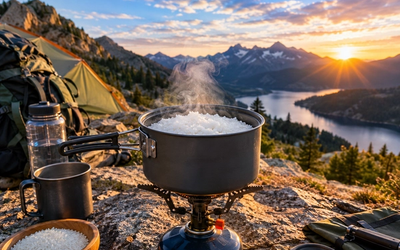
The sun sets faster than you expect. You'll probably rush dinner prep because you underestimated how long it takes to boil water on a camp stove. The campfire you envisioned might not happen if firewood is damp or the fire ring is occupied. That's okay—this isn't a performance.
Once you're in your sleeping bag, the ground will feel harder than any mattress you've slept on, even with a sleeping pad. You'll hear every sound: acorns hitting your rainfly, a far-off owl, the family three sites over laughing around their fire. Your brain will fixate on whether you closed the bear locker properly. Around midnight, you'll need to pee and debate whether it's worth unzipping the tent and braving the cold.
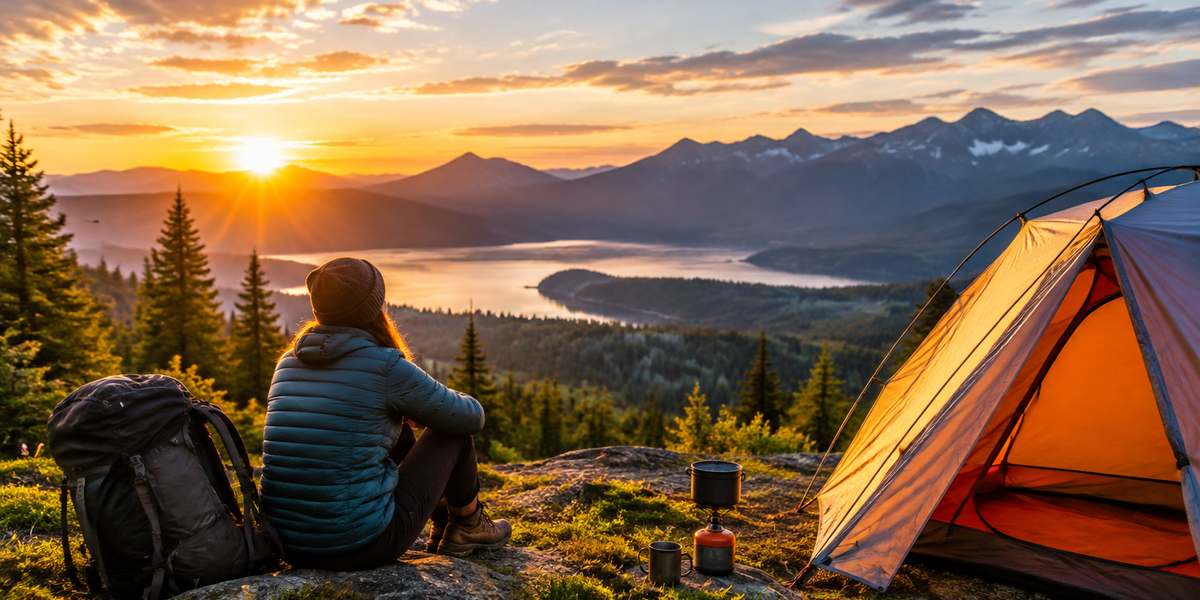
Then, somewhere around 3 AM, something shifts. The sounds become background noise. Your body heat warms the sleeping bag. You realize you're fine—better than fine. When you wake to birdsong at dawn and unzip the tent to see mist rising off the lake, the discomfort becomes a story you'll retell. If the weather turns south, our guide on camping in the rain will help you salvage the experience.
Frequently Asked Questions
What if I forget something essential?
You probably will. Most campgrounds have small stores that stock basics like firewood, ice, and propane. If you forgot tent stakes, rocks or logs can substitute in a pinch. The only truly essential items are shelter, water, food, and a way to stay warm. Everything else is fixable or improvised.
How do I deal with bathroom needs at night?
Use a headlamp with red-light mode so you don't blind yourself or wake neighbors. Keep shoes just inside the tent vestibule for quick access. If the restroom is far, consider a portable urination device or designated pee bottle (labeled clearly). For solid waste, always use established facilities when available.
Is it normal to feel anxious or unable to sleep?
Absolutely. Your nervous system is in an unfamiliar environment, so hypervigilance is a natural response. Earplugs help filter constant rustling. A white noise app (downloaded offline) can mask distant sounds. Most first-timers sleep lightly the first night and much better on subsequent trips as your body adapts.
What should I do if it rains unexpectedly?
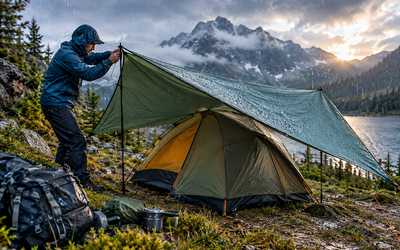
Stay calm. A properly pitched rainfly will keep you dry even in sustained rain. Check that tent corners are staked tightly and guy lines are tensioned. Move any gear from vestibules into the tent interior if water starts pooling. Avoid touching the tent walls from inside, as this breaks the water-repellent barrier and causes drips.
How cold is too cold for a first camping trip?
If overnight lows drop below 40°F, bring a sleeping bag rated for at least 10°F colder than the forecast. Layer clothing inside the bag if needed. Below 30°F, consider postponing until you've acquired proper insulation. Cold, sleepless nights kill enthusiasm for future trips faster than any other factor.
Final Thoughts
Your first night camping won't look like the polished photos on Instagram, and that's the point. It's messy, humbling, and occasionally uncomfortable—but it's also the gateway to a skill set that opens up wild places most people never see. You'll make mistakes. You'll overpack some things and forget others. You'll probably question your choices around 1 AM when a branch cracks near your tent.
But when you wake up to a sunrise you had to work for, cook breakfast over a camp stove you figured out yourself, and pack up a tent you pitched with your own hands, you'll understand why people keep going back. Start with an easy campground, bring more layers than you think you need, and give yourself permission to learn as you go.
The outdoors doesn't require perfection. It requires showing up. Everything else, you'll figure out along the way.
Editor's Choice
TETON Sports Mountain Ultra Tent — The most forgiving tent for first-timers who need reliable shelter without a complicated setup or premium price tag.
Big Agnes Copper Spur HV UL2 — If you're investing for the long haul and plan to explore backpacking, this ultra-light tent transitions seamlessly from car camping to trail use.
Buff Original Multifunctional UV Headwear — A versatile layer that works as a neck gaiter, headband, or hat, solving multiple comfort needs with one $22 item.