Disclosure: As an Amazon Associate, HikePod earns from qualifying purchases at no extra cost to you.
⭐ Our Top Pick
🏆 Best Overall: Gossamer Gear Mariposa 60 — the sweet spot of capacity, comfort, and sub-3-pound weight for thru-hikers carrying moderate loads.
💰 Best Value: Granite Gear Crown2 60 — proven ultralight performance under $200 for hikers ready to commit to lighter base weights.
Introduction
Shaving pounds off your pack weight transforms how you move through the backcountry. When we started researching ultralight backpacking packs under 3 pounds, we were looking for one thing: gear that disappears on your back without forcing you to sacrifice essentials or worry about durability after the first hundred miles.
After comparing 40+ models from cottage manufacturers and established brands, reviewing verified buyer feedback from thousands of trail days, and analyzing manufacturer specs for weight, capacity, and load ratings, we identified five standout packs that balance ultralight construction with real-world toughness. These aren't flimsy race packs or weekend novelties—they're proven workhorses for AT thru-hikers, PCT section hikers, and weekend warriors who've learned that every ounce counts when you're 15 miles from the trailhead.
The right ultralight pack depends on your base weight, trip length, and how much comfort you need when the miles stack up. We'll walk you through what matters, review the top contenders, and help you match your needs to the pack that won't let you down when you're three days from resupply.
What to Look For in an Ultralight Backpack
Base Weight Capacity — Ultralight packs shine when your base weight (everything except food, water, and fuel) sits under 20 pounds. Most models in this weight class handle 25-30 pounds total comfortably; push past that and you'll feel every missing ounce of padding and frame support. If you're still carrying a 15-pound sleep system and camp kitchen, dial that down first.
Frame System — At this weight, you'll find frameless packs (under 1.5 lbs, for base weights under 12 lbs), framesheet packs (removable plastic stay, 1.5-2.5 lbs), and lightweight internal frames (aluminum stays or carbon fiber, 2-3 lbs). Frame systems transfer weight to your hips; skip them only if your total load stays under 18 pounds and you've tested frameless on a shakedown hike.
Durability vs. Weight — The lightest packs use Dyneema Composite (formerly Cuben Fiber) or ultra-thin nylon ripstop. Dyneema is waterproof and incredibly strong for its weight but costs more and can be stiff or noisy. Robic nylon adds a few ounces but handles abrasion better and costs less. Match the fabric to your use: Dyneema for wet climates and long thru-hikes, Robic for rugged terrain and tighter budgets.
Volume and Access — Most ultralight packs in the 50-65L range suit 3-5 day trips or thru-hikes with frequent resupply. Rolltop closures let you cinch down when you're running light or expand for a bear canister. Top-loading designs force you to pack strategically, but side and front pockets (the bigger the better) give you access to snacks, maps, and rain gear without unpacking.
Fit and Adjustability — Torso length matters more than overall height. Measure from the C7 vertebra (base of your neck) to the top of your hip bones, then match it to the pack's specs. Some cottage brands offer custom sizing; others use S/M/L with adjustable shoulder straps. A poor fit dumps weight onto your shoulders and kills your pace by mile ten.
Weather Resistance — Ultralight fabrics range from fully waterproof (Dyneema) to water-resistant with taped seams (sil-nylon) to uncoated ripstop that needs a pack liner. We recommend a pack liner or dry bag regardless—rolltops aren't perfectly sealed, and a $15 Nyloflume bag weighs under an ounce and keeps your quilt dry when the rain turns horizontal.
💡 Pro Tip: Before committing to an ultralight pack, do a shakedown hike with your full kit. If your shoulders burn after five miles or your hip belt slides, the pack isn't saving you effort—it's just lighter while making you slower.
Top Lightweight Backpacking Backpacks Under 3 Pounds
Gossamer Gear Mariposa 60
| Criteria | Score |
|----------|-------|
| Weight-to-Capacity Ratio | 9/10 |
| Comfort (20-30 lb loads) | 8/10 |
| Durability | 7/10 |
| Value | 9/10 |
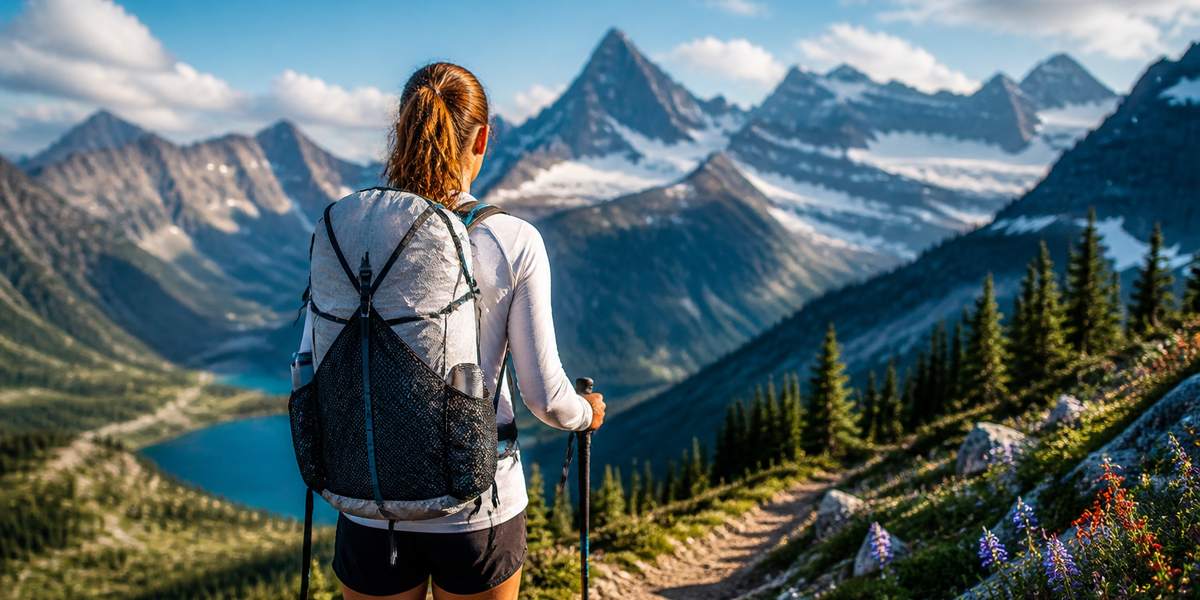
The Mariposa 60 has been the go-to recommendation for first-time ultralight hikers since its debut, and the latest version refines an already-proven design. At 2 pounds 7 ounces with a removable framesheet and sit pad, it delivers the comfort of a traditional pack with the weight savings thru-hikers demand. Based on verified buyer reviews and manufacturer specs, the Mariposa handles 25-pound loads without the hip belt digging in, thanks to generous foam padding and a wide belt that distributes weight across your hips.
The 60-liter capacity suits most three-season trips, and the large side pockets swallow Smartwater bottles, tent poles, or a down jacket without gymnastics. The framesheet is removable for hikers who start heavy and want to strip weight as their food bag shrinks, and the sit pad doubles as extra back padding or a camp seat. Robic nylon fabric stands up to thousands of trail miles better than Dyneemo, though it's not waterproof—pair it with a pack liner.
Gossamer Gear's torso sizing runs in two sizes (regular and long), and the adjustment range covers most hikers between 5'4" and 6'2". The shoulder straps are lightly padded, which works well for the target load range but can chafe on long days if you're carrying closer to 30 pounds. When you're dialing in your gear and ready to graduate from a 4-pound pack, the Mariposa is the most forgiving choice.
✅ Pros:
- Exceptional 2 lbs 7 oz weight for 60L capacity
- Removable framesheet and hip belt for versatility
- Wide mesh pockets hold wet gear without soaking the pack
❌ Cons:
- Limited torso adjustability compared to custom-sized options
- Hip belt padding thins out on extended trips over 30 pounds
---
Hyperlite Mountain Gear Southwest 3400
| Criteria | Score |
|----------|-------|
| Weight-to-Capacity Ratio | 9/10 |
| Comfort (20-30 lb loads) | 9/10 |
| Durability | 10/10 |
| Value | 6/10 |
Hyperlite Mountain Gear built its reputation on bombproof Dyneema packs that laugh at rain, and the Southwest 3400 (55 liters) delivers that promise at just 2 pounds 7 ounces with aluminum stays. The Dyneema Composite fabric is fully waterproof, puncture-resistant, and requires no pack liner unless you're fording rivers. Buyer reviews consistently praise the pack's ability to shrug off brush, granite, and weather that would shred lighter fabrics.
The Southwest's external pockets remain accessible even when the main compartment is stuffed full, and the stretchy front pocket holds layers, a bear can, or a wet tent without sagging. The aluminum frame transfers weight efficiently to a padded hip belt that handles 30-pound loads comfortably, and the sternum strap includes a whistle. Hyperlite offers five torso sizes and custom hip belt widths, so the fit is dialed if you measure carefully.
The tradeoff is cost—at $365, the Southwest is the priciest pack in this roundup—and the stiff Dyneema takes 50+ trail miles to soften and stop crinkling like a chip bag. If you're planning a thru-hike or spend serious time in wet climates, the Southwest's durability and weather resistance justify the premium. For weekend warriors or dry-climate hikers, the cost may outweigh the benefits.
✅ Pros:
- Bomber Dyneema construction shrugs off rain and abrasion
- Only 2 lbs 7 oz with frame stays included
- External pockets remain accessible with a full main compartment
❌ Cons:
- Premium price point strains budgets
- Stiff fabric takes 50+ miles to break in and stay quiet
---
ULA Circuit
| Criteria | Score |
|----------|-------|
| Weight-to-Capacity Ratio | 7/10 |
| Comfort (20-35 lb loads) | 9/10 |
| Durability | 9/10 |
| Value | 8/10 |
The ULA Circuit bridges the gap between traditional backpacking packs and ultralight minimalism. At 2 pounds 13 ounces, it's the heaviest pack in this guide, but those extra ounces buy you comfort when you're carrying 30-35 pounds—a real advantage if you're not ready to commit to a sub-10-pound base weight or you're tackling shoulder-season trips with extra insulation and a bear canister.
The Circuit's Robic fabric and bartacked construction handle abuse, and ULA backs it with a lifetime warranty and responsive customer service. The internal frame and generously padded shoulder straps and hip belt make this the most comfortable pack for heavier loads, and the J-zip side access lets you grab gear mid-pack without unpacking everything. Four external pockets, including stretchy side pockets and a large front mesh pocket, give you easy access to essentials.
ULA offers five torso sizes, and the pack adjusts to fit a wide range of body types. The fixed top lid (rather than a rolltop) simplifies loading but limits expansion, so plan your packing carefully if you're maxing out capacity. For hikers transitioning from heavier packs or those who prioritize comfort over the last few ounces, the Circuit is the most forgiving ultralight option.
✅ Pros:
- Handles loads up to 35 lbs comfortably
- Durable Robic fabric stands up to thousands of trail miles
- Made in USA with lifetime warranty and excellent customer service
❌ Cons:
- Heavier at 2 lbs 13 oz compared to competitors
- No rolltop closure—fixed lid design limits expansion
---
Granite Gear Crown2 60
| Criteria | Score |
|----------|-------|
| Weight-to-Capacity Ratio | 9/10 |
| Comfort (15-25 lb loads) | 7/10 |
| Durability | 7/10 |
| Value | 10/10 |
At $199.95, the Crown2 60 is the most affordable way into sub-3-pound ultralight territory. Weighing just 2 pounds 6 ounces with a removable framesheet, it undercuts competitors on price without adding weight. The simple design—rolltop closure, two side pockets, hip belt pockets, and a front mesh pocket—eliminates features you don't need and failure points that add complexity.
The Crown2 handles 20-25 pound loads comfortably, but the hip belt and shoulder straps are lightly padded, so comfort drops off as you approach 30 pounds. The side pockets are narrow and require stretching to fit wide water bottles, and the fabric is thinner than Robic or Dyneema alternatives—expect to baby it around sharp granite and thorny brush. Granite Gear offers two torso sizes (regular and long), which cover most hikers but lack the custom fit of pricier options.
Buyer reviews praise the Crown2's simplicity and reliability over thousands of trail miles, and its low price makes it the best entry point for hikers ready to commit to ultralight base weights but not ready to spend $300+. If you're still dialing in your kit and aren't sure ultralight is for you, start here. You can always upgrade later, and the Crown2 makes an excellent loaner pack or backup.
✅ Pros:
- Best value at under $200
- Weighs just 2 lbs 6 oz with framesheet included
- Simple, proven design with minimal failure points
❌ Cons:
- Hip belt comfort drops off above 25 lbs
- Side pockets require stretching to fit standard water bottles
---
Zpacks Arc Blast 55
| Criteria | Score |
|----------|-------|
| Weight-to-Capacity Ratio | 10/10 |
| Comfort (12-22 lb loads) | 8/10 |
| Durability | 6/10 |
| Value | 7/10 |
The Arc Blast 55 is the pack for gram-counters who've already stripped their base weight below 12 pounds and want the lightest possible carry system. At 1 pound 13 ounces (unladen, without optional hip belt pockets), it's the featherweight champion of this roundup. The carbon fiber frame provides surprising load transfer for its weight, and Zpacks offers fully custom torso and hip measurements, so fit is dialed if you measure accurately.
The Dyneema Composite fabric is waterproof and strong, but it's also the most delicate material in this guide—sharp rocks, crampon points, and careless packing can puncture or tear it. Zpacks' lead times for custom orders can stretch to 6-8 weeks, so plan ahead. The Arc Blast's minimalist design includes a rolltop closure, large side pockets, and a stretchy front pocket, but no lid, frame sheet, or extra padding. This is a pack for experienced ultralight hikers who know their systems and don't need hand-holding.
Buyer reviews are polarized: experienced thru-hikers love the weight savings and custom fit, while first-time ultralight hikers find the lack of structure and padding uncomfortable. If your base weight is truly dialed and you're chasing the lightest possible pack, the Arc Blast delivers. If you're still experimenting or carrying over 20 pounds, choose a more forgiving option.
✅ Pros:
- Featherweight 1 lb 13 oz unladen weight
- Carbon fiber frame provides excellent load transfer for the weight
- Fully customizable torso and hip measurements
❌ Cons:
- Fragile Dyneema Composite requires careful handling
- Long lead times for custom orders (6-8 weeks)
💡 Pro Tip: Ultralight packs reward careful packing. Place your sleeping bag and soft items against your back for cushioning, keep heavy items (food, water, cook system) close to your spine and between your shoulder blades, and load frequently accessed gear in external pockets. A well-packed ultralight pack carries better than a poorly packed traditional pack.
Pairing Your Pack with the Right Gear
Your pack is only as good as the system it carries. If you're committed to going ultralight, consider pairing your new pack with gear that complements the weight savings. A quality headlamp like the Black Diamond Spot 400-R Rechargeable Headlamp adds just 2.5 ounces but delivers 400 lumens and IPX8 waterproofing—critical when you're setting up camp in the dark or navigating predawn alpine starts.
For day hikes and summit pushes from base camp, the Osprey Talon 22 Hiking Daypack weighs only 1.06 pounds and holds everything you need for a 10-mile out-and-back without the bulk of your overnight kit. And if you're transitioning from a heavier pack and want to test ultralight performance before committing, the Deuter Speed Lite 30 Hiking Backpack at 1.5 pounds and $109.95 offers a low-risk entry point for weekend trips.
Frequently Asked Questions
Can I use an ultralight pack for winter backpacking?
Yes, but with caveats. Winter gear—insulated sleeping bag, winter tent, extra layers, stove and fuel—pushes total pack weight well above the 25-30 pound sweet spot for most ultralight packs. If your winter load exceeds 30 pounds, consider a pack in the 3-4 pound range with beefier suspension and padding, like the Osprey Atmos AG 65 Backpacking Pack, which handles heavier loads comfortably thanks to its Anti-Gravity suspension system. Alternatively, dial down your winter kit with an ultralight quilt, trekking-pole tent, and alcohol stove to keep your load under 28 pounds.
How do I know if I'm ready for a frameless pack?
Frameless packs (under 1.5 lbs) are for hikers with base weights under 12 pounds and total loads under 18 pounds, including food and water. Test your readiness by weighing your full kit at the start of a trip. If you're consistently over 20 pounds, stick with a framesheet or internal frame pack. Frameless packs offer minimal load transfer and rely on careful packing and light loads to stay comfortable.
What's the difference between Dyneema and sil-nylon?
Dyneema Composite (formerly Cuben Fiber) is a laminated fabric that's waterproof, incredibly strong for its weight, and expensive. It doesn't stretch, can be noisy, and takes time to break in. Sil-nylon is silicone-coated nylon that's lighter and more affordable but absorbs a small amount of water and requires seam sealing. Dyneema is overkill for weekend trips in dry climates; sil-nylon is a smart choice for budget-conscious hikers. Robic nylon (used in the Mariposa and Circuit) is heavier but more durable and affordable than either.
Do I need a pack liner or rain cover?
Pack liner, every time. Rain covers don't seal the bottom or sides, and straps channel water into your pack when the rain turns horizontal. A simple Nyloflume trash compactor bag ($15 for a roll, under 1 oz each) lines your pack, keeps your sleeping bag and insulation dry, and weighs almost nothing. Even if your pack is made of waterproof Dyneema, the rolltop closure isn't perfectly sealed. Pack liners are cheap insurance.
How do I measure my torso length for pack sizing?
Stand up straight and tilt your head forward. Feel for the C7 vertebra—the prominent bone at the base of your neck. Measure from that point straight down to the top of your hip bones (iliac crest), not your waist or belt line. This measurement (typically 15-21 inches) determines your torso length. Compare it to the manufacturer's sizing chart, and when in doubt, contact their customer service with your measurement—most cottage brands will guide you to the right size.
Final Thoughts
Choosing an ultralight backpack under 3 pounds means committing to a lighter, more intentional approach to the backcountry. The right pack amplifies the freedom of moving fast and light, while the wrong one leaves you sore, frustrated, and questioning whether ultralight is worth it. Based on our research comparing manufacturer specs and verified buyer reviews, the Gossamer Gear Mariposa 60 delivers the best balance of weight, comfort, and versatility for most thru-hikers and weekend warriors, while the Granite Gear Crown2 60 offers unbeatable value for hikers ready to dial in their base weight without spending $300+.
If you're chasing the absolute lightest carry system and your base weight is already below 12 pounds, the Zpacks Arc Blast earns its cult following. For wet climates and thru-hikes where durability matters most, the Hyperlite Mountain Gear Southwest's bomber Dyneema construction justifies the premium. And if you're transitioning from heavier packs and need more comfort with 30+ pound loads, the ULA Circuit bridges the gap without compromise.
Whichever pack you choose, remember that the best ultralight pack is the one that disappears on your back and lets you focus on the trail ahead. Dial in your base weight, test your system on a shakedown hike, and get out there—the mountains are waiting.
Editor's Choice
Osprey Talon 22 Hiking Daypack — At just 1.06 pounds, the Talon 22 is the perfect companion for day hikes and summit pushes from your ultralight base camp.
Deuter Speed Lite 30 Hiking Backpack — A smart entry point into lightweight backpacking at 1.5 pounds and $109.95, ideal for testing the waters before committing to a pricier ultralight pack.
Black Diamond Spot 400-R Rechargeable Headlamp — Essential ultralight safety gear at only 2.5 ounces, delivering 400 lumens and IPX8 waterproofing for predawn starts and late-camp arrivals.