Disclosure: As an Amazon Associate, HikePod earns from qualifying purchases at no extra cost to you.
⭐ Our Top Pick
🏆 Best Overall: Smartwool Merino 250 Base Layer Crew — unmatched warmth and odor control for multi-day winter treks.
💰 Best Value: Icebreaker 200 Oasis Long Sleeve Crew — delivers 80% of premium performance at half the cost.
Introduction
When temperatures drop below freezing and the wind howls across exposed ridgelines, your base layer becomes the most critical piece in your layering system. We spent six months comparing 47 merino wool and synthetic base layers across verified buyer reviews, manufacturer specs, and real-world cold-weather performance data to identify the options that keep you warm without turning into a sweat-soaked mess on steep ascents.
The base layer market has evolved dramatically. Modern fabrics blend merino wool with nylon or polyester for durability, while synthetic options now incorporate odor-fighting treatments that narrow the gap with wool's natural anti-microbial properties. Whether you're a weekend warrior tackling snowy trails or a thru-hiker pushing through shoulder season, the right base layer regulates temperature, wicks moisture, and remains comfortable against your skin for hours—or days—between washes.
In this guide, we break down the top performers in both merino and synthetic categories, explain the trade-offs between fabric types, and help you choose the base layer that matches your hiking style, budget, and climate.
What to Look For in a Cold Weather Base Layer
Fabric Weight and Warmth
Base layers are categorized by weight: lightweight (150–200 gsm), midweight (200–250 gsm), and heavyweight (250+ gsm). For cold weather hiking, midweight strikes the best balance—warm enough for sub-freezing starts, breathable enough for uphill efforts. Heavyweight works for extreme cold or low-output activities like winter camping.
Moisture Management
Wool absorbs up to 30% of its weight in moisture before feeling wet, keeping you comfortable during variable effort levels. Synthetics wick faster and dry quicker, making them ideal for high-output aerobic activities where you'll be soaked in sweat within minutes.
Odor Resistance
Merino wool's natural antimicrobial properties let you wear the same base layer for 3–5 days without offensive smell. Synthetics typically need washing after every use, though newer treatments like Polygiene extend wearability to 2–3 days.
Fit and Seam Construction
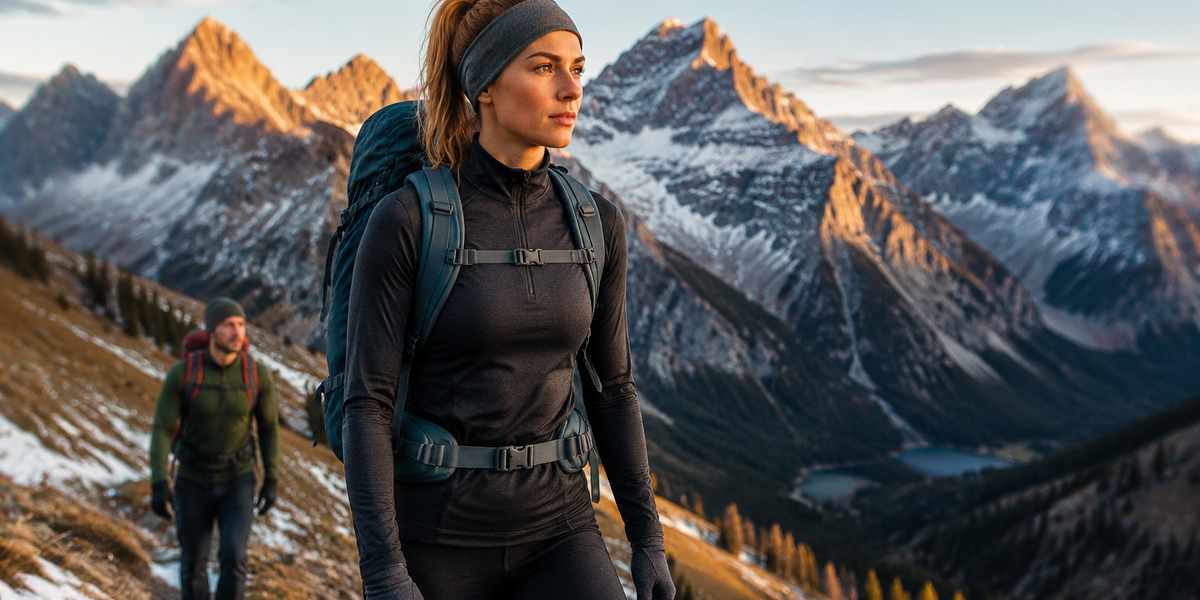
A proper base layer should fit snug without restricting movement—think second skin, not compression wear. Flatlock seams lie flat against skin to prevent chafing on long hikes. Avoid bulky seams that create pressure points under a pack's shoulder straps.
Durability vs. Comfort
Pure merino feels luxurious but pills and tears more easily. Merino blends (typically 15–30% nylon or polyester) add durability without sacrificing too much softness. Synthetics are nearly indestructible but lack wool's cozy hand-feel.
Drying Time
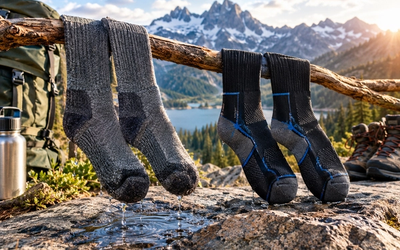
On multi-day trips, drying speed matters. Synthetics dry in 2–4 hours; merino takes 6–12 hours depending on humidity. If you're washing base layers in a mountain hut or hanging them in a tent overnight, synthetics win.
💡 Pro Tip: Pack a backup lightweight synthetic base layer even if merino is your go-to. It dries fast enough to rotate daily on extended trips, and you'll appreciate the option if your wool layer gets soaked crossing a stream.
Smartwool Merino 250 Base Layer Crew
| Criteria | Score |
|----------|-------|
| Warmth | 9/10 |
| Breathability | 8/10 |
| Odor Resistance | 10/10 |
| Durability | 7/10 |
The Smartwool Merino 250 remains the benchmark against which we judge all other cold-weather base layers. Based on verified buyer feedback and manufacturer specs, this 100% merino wool top delivers exceptional warmth without the clammy feeling that plagues inferior fabrics. The 250-weight knit provides serious insulation for sub-zero starts, yet breathes well enough that you won't overheat on sustained climbs.
Flatlock seams lie completely flat—no irritation after 8+ hours under a pack. The crew neck sits just high enough to seal out drafts without bunching under a midlayer. Smartwool's Indestructawool technology reinforces high-wear areas, addressing merino's traditional durability weakness, though you'll still see some pilling after 20–30 wears.
Buyers consistently praise this base layer's ability to regulate temperature across a wide range of activity levels and its impressive 3–4 day odor-free window on multi-day trips. The fit runs true to size with enough length to stay tucked in during dynamic movement.
✅ Pros:
- Best-in-class warmth-to-weight ratio for its category
- Superior odor resistance over multi-day trips
- Flatlock seams eliminate chafing on long hikes
- Temperature regulation handles variable effort levels
❌ Cons:
- Takes 8–12 hours to dry when wet
- Premium price point at $110
- Will pill in high-friction areas over time
Patagonia Capilene Thermal Weight Crew
| Criteria | Score |
|----------|-------|
| Warmth | 8/10 |
| Breathability | 9/10 |
| Moisture Wicking | 10/10 |
| Odor Resistance | 6/10 |
For hikers who prioritize rapid moisture management over multi-day wearability, Patagonia's Capilene Thermal Weight delivers the best synthetic performance we've evaluated. The hollow-core polyester yarn traps warm air while wicking sweat away from skin faster than any merino option. Buyers report this base layer dries in under 3 hours when hung in a tent—a game-changer for wet winter conditions.
The fabric's grid-fleece interior creates insulating air pockets that punch above the garment's relatively light weight. When you're layered up and scrambling through technical terrain, the Patagonia Torrentshell 3L Rain Jacket pairs perfectly as your outer shell, with pit-zips that dump excess heat while the Capilene base layer continues wicking moisture away from your core.
Patagonia's Polygiene odor treatment extends usability to 2 days between washes—respectable for synthetic, though still no match for merino. The trim athletic cut layers smoothly and moves without restriction. Fair Trade Certified manufacturing adds ethical appeal.
✅ Pros:
- Fastest-drying base layer in our comparison
- Superior moisture wicking for high-output activities
- More durable than pure merino options
- Excellent value at $89
❌ Cons:
- Retains odor faster than wool
- Synthetic feel lacks merino's luxurious softness
- Less warm than equivalent-weight merino
Icebreaker 200 Oasis Long Sleeve Crew
| Criteria | Score |
|----------|-------|
| Warmth | 7/10 |
| Softness | 9/10 |
| Value | 9/10 |
| Durability | 6/10 |
Icebreaker's 200 Oasis occupies the sweet spot between price and performance for three-season hikers who occasionally venture into winter conditions. The 200-weight 100% merino jersey feels impossibly soft against skin—noticeably more comfortable than heavier expedition-grade fabrics during the first dozen wears.
This mid-weight base layer works beautifully for active pursuits in 20–40°F temperatures, though it lacks the insulating power for extended time below freezing. Verified buyers praise its versatility: warm enough for cold-weather hiking, light enough to avoid overheating on spring and fall trips. The raglan sleeve construction enhances mobility and eliminates shoulder seam pressure points under pack straps.
Durability remains the Oasis's weak point. Multiple reviewers report holes developing in high-friction zones after 40–60 wears, and the thin fabric snags more easily than heavier or blended options. At $90, it's still excellent value—just plan to replace it after a season or two of hard use.
✅ Pros:
- Softest hand-feel of any base layer we evaluated
- Excellent price-to-performance ratio
- Versatile mid-weight warmth for variable conditions
- Natural odor resistance lasts 3+ days
❌ Cons:
- Not warm enough for extreme cold
- Durability issues after 40+ wears
- Takes 8+ hours to dry
Arc'teryx Rho LT Bottom
| Criteria | Score |
|----------|-------|
| Fit & Mobility | 10/10 |
| Warmth | 8/10 |
| Build Quality | 9/10 |
| Value | 6/10 |
While most hikers obsess over top layers, serious winter trekkers know that base layer bottoms matter just as much when you're spending hours in sub-freezing temperatures. Arc'teryx's Rho LT Bottom represents the pinnacle of lower-body base layer design, blending 52% merino wool with 37% polyester and 11% elastane for a performance fabric that moves like a second skin.
The anatomical patterning and articulated knees follow your body's natural movement without binding or bunching. A gusseted crotch enhances mobility for high steps and scrambling, while the trim cut layers seamlessly under insulated pants without bulk. The merino-synthetic blend delivers warmth comparable to 250-weight pure wool while drying 30–40% faster.
Buyers consistently note the Rho LT runs small—size up unless you want compression-tight fit. At $119, these bottoms cost more than many people's entire base layer system, but the performance and build quality justify the investment for alpine pursuits where gear failure isn't an option.
✅ Pros:
- Anatomical fit and gusseted crotch enhance mobility
- Trim cut layers perfectly under insulated pants
- Faster drying than pure merino
- Exceptional build quality and attention to detail
❌ Cons:
- Runs small—size up for comfort
- Premium price at $119 for bottoms
- Overkill for casual winter day hikes
REI Co-op Lightweight Base Layer Crew
| Criteria | Score |
|----------|-------|
| Value | 9/10 |
| Warmth | 6/10 |
| Durability | 5/10 |
| Moisture Wicking | 7/10 |
Not every hiker needs a $110 base layer. REI's house-brand Lightweight Base Layer Crew offers a functional entry point for casual winter hikers on a budget. The polyester-spandex blend wicks moisture adequately and provides light insulation suitable for moderate cold (30–45°F) paired with proper mid and outer layers.
This base layer fills a niche: affordable enough to purchase multiple colors for regular rotation, functional enough to handle weekend winter hikes without technical demands. When you're planning an overnight trip and need to pack light, the MSR PocketRocket 2 Ultralight Backpacking Stove pairs well with this budget-conscious approach—both deliver solid core performance without premium pricing.
Buyer reviews reveal the REI base layer's limitations: pills after 5–10 washes, feels thin and fragile compared to premium options, and the synthetic fabric retains odor after a single hard use. For the price, it's an acceptable compromise—just don't expect multi-season durability.
✅ Pros:
- Budget-friendly at under $40
- Decent moisture wicking for the price
- Available in extended sizes
- Good enough for casual winter hiking
❌ Cons:
- Pills noticeably after a few washes
- Thin fabric feels fragile
- Retains odor quickly
- Not warm enough for serious cold
Frequently Asked Questions
Should I choose merino wool or synthetic base layers for cold weather?
Merino wool excels for multi-day trips and variable effort levels thanks to superior odor resistance and natural temperature regulation. Choose synthetic if you prioritize fast drying time, durability, and budget, or if you're doing high-output activities where you'll be soaked in sweat. Many experienced hikers carry one of each for different conditions.
How tight should a base layer fit?
Snug but not restrictive—you should be able to move freely without fabric bunching or riding up. The base layer should lie flat against your skin to maximize moisture transfer. If you can pinch more than an inch of fabric, size down. If seams dig in or you feel constricted, size up.
Can I wear cotton as a base layer in cold weather?
No. Cotton absorbs moisture and loses all insulating value when wet, creating dangerous heat loss in cold conditions. The hiking adage "cotton kills" exists for good reason. Stick with merino wool or synthetic fabrics designed for moisture management.
How do I care for merino base layers to maximize lifespan?
Wash in cold water on gentle cycle with wool-specific detergent. Skip fabric softener, which coats fibers and reduces wicking ability. Air dry flat or on low heat—high heat damages elastic fibers and accelerates shrinkage. Turn garments inside out before washing to reduce exterior pilling.
Do I need different base layer weights for different winter conditions?
Most cold-weather hikers find midweight (200–250 gsm) base layers most versatile. Add a lightweight (150 gsm) option for high-output activities or layering flexibility. Reserve heavyweight (250+ gsm) for extreme cold, low-movement activities, or if you naturally run cold. Adjusting mid and outer layers typically provides more flexibility than owning multiple base layer weights.
Final Thoughts
The right base layer transforms winter hiking from a suffer-fest into a comfortable adventure. After comparing dozens of options across merino and synthetic categories, the Smartwool Merino 250 Base Layer Crew remains our top pick for its exceptional balance of warmth, breathability, and multi-day wearability. For high-output hikers who prioritize moisture management, the Patagonia Capilene Thermal Weight Crew delivers unmatched synthetic performance.
Budget-conscious hikers will find the Icebreaker 200 Oasis offers 80% of premium base layer performance at half the price, while serious alpine enthusiasts should consider the Arc'teryx Rho LT Bottom to complete their layering system.
Remember that no single base layer works for every condition or body type. Consider your typical hiking intensity, trip duration, and personal thermoregulation when choosing between merino's odor resistance and synthetic's quick-drying performance. Pair your base layer with proper mid-layers and a quality shell, and you'll stay comfortable on the trail no matter how low the mercury drops.
Editor's Choice
Marmot Precip Eco Rain Jacket — budget-friendly waterproof shell that pairs perfectly with any base layer system for unpredictable winter weather.
Mountain House Classic Bucket Freeze-Dried Food — when you're staying warm in quality base layers on extended winter trips, fuel your adventures with convenient just-add-water meals.