Disclosure: As an Amazon Associate, HikePod earns from qualifying purchases at no extra cost to you.
⭐ Our Top Pick
🏆 Best Overall: Big Agnes Copper Spur HV UL2 — At 2.6 lbs with two doors and a5-minute setup, it's the shelter that disappears into your pack and reappears as a palace at camp.
💰 Best Value: TETON Sports Mountain Ultra Tent — Under $90, full-fly rain coverage, and room for two — the smartest first tent buy for beginner backpackers.
Introduction
Your first overnight hike sits at that perfect intersection of excitement and mild terror. You know you need stuff — but how much stuff? Too little and you're cold, hungry, and regretting your life choices by mile three. Too much and the weight crushes your enthusiasm somewhere around the first switchback.
We've spent years refining our overnight kit — testing gear across desert canyons, rainy Pacific Northwest ridgelines, and everything in between. This guide distills that experience into one practical, beginner-friendly checklist covering the Ten Essentials and everything else that actually matters for a comfortable first night out. We'll also highlight few specific pieces of gear that punch well above their weight so you can shop with confidence rather than guesswork.
By the end, you'll know exactly what goes in the pack, what stays in the car, and which shortcuts experienced hikers use to shave pounds without sacrificing comfort or safety.
What to Look For
Before we hit the checklist, here are the six criteria that should drive every gear decision you make for an overnight trip.
- Weight vs. Durability Trade-off — Every ounce adds up over miles. Aim for the lightest option that will survive reasonable abuse. Ultralight gear made for racing isn't always right for beginers still learning to handle their kit carefully.
- Weather Appropriateness — Check the three-day forecast and the historical range for your destination. A tent rated for three seasons performs very differently in July desert heat vs. October alpine cold.
- Pack Volume and Fit — Your pack should fit your torso length, not your height. A properly fitted pack like the Osprey Atmos AG 65 distributes weight onto your hips — where your legs can handle it — instead of grinding down your shoulders.
- Sleep System Temperature Rating — Buy a sleeping bag rated 10°F lower than the coldest temperature you expect. Ratings are optimistic, you will sleep warmer with experience, and it's easy to vent a warm bag but impossible to warm up a cold one.
- Water Treatment Reliability — Never assume a water source is clean. A filter, purification tablets, or UV pen is non-negotiable weight.
- Leave No Trace Compatibility — Good gear supports good ethics. A bear canister, a trowel, and waste bags are as essential as your headlamp in many wilderness areas.
💡 Pro Tip: Lay everything out on your floor the night before and weigh your loaded pack. For a single overnight, most experienced hikers target 25–35 lbs total. If you're over40 lbs, start cutting — extra clothes and duplicate items are usually the culprit.
Shelter: The Gear That Earns Its Weight Every Night
Big Agnes Copper Spur HV UL2 Backpacking Tent
| Criteria | Score |
|----------|-------|
| Weight & Packability | 10/10 |
| Weather Protection | 8/10 |
| Setup Speed | 9/10 |
| Value for Weight | 8/10 |
\The Big Agnes Copper Spur HV UL2 has been a trail favorite for years and the2026 version refines an already excellent formula. At 2.6 lbs it barely registers in your pack, yet inside it feels genuinely romy — the near-vertical walls give you sitting headroom and the two doors mean two people can come and go without climbing over each other. We've pitched it on granite slabs, soft dirt, and snow-dusted meadows, and it goes up cleanly every time in five minutes or less. The only real caveat is the mesh inner panels — they're great for ventilation in summer but leave something to be desired when temperatures dip below 30°F without a quality sleeping bag to compensate.
✅ Pros:
- Ultralight 2.6 lbs almost disappears in your pack
- Dual doors and vestibules are genuine quality-of-life upgrade
- Fast, intuitive hub-and-pole system pitches solo in minutes
❌ Cons:
- $549.95 is hard to justify for occasional overnight trips
- Mesh panels lose warmth in colder conditions
---
MSR Hubba Hubba NX 2 Backpacking Tent
| Criteria | Score |
|----------|-------|
| Weight & Packability | 9/10 |
| Weather Protection | 10/10 |
| Setup Speed | 8/10 |
| Value for Weight | 8/10 |
If your overnight destination gets real weather — think Pacific Northwest drizzle, Appalachian thunderstorms, or mountain afternoon showers — the MSR Hubba Hubba NX 2 is the one we'd pick. The fly geometry sheds water agressively and every seam is factory-taped, so there's no pre-trip seam-sealing ritual. It packs to a remarkably small 20 oz and the freestanding design means you can pitch it on a rocky ledge where stakes won't go in. It's not quite as fast to set up as the Copper Spur and the single door is a minor inconvenience for two-person use, but when the storm rolls in at 2 AM you'll be grateful for how dry it keeps you.
✅ Pros:
- Industry-leading rain performance with taped seams and steep fly pitch
- Freestanding on any surface including rock and gravel
- Packs incredibly small at 20 oz
❌ Cons:
- Single door requires one person to climb over the other
- Vestibule fits gear but feels snug for two full packs
---
TETON Sports Mountain Ultra Tent
| Criteria | Score |
|----------|-------|
| Weight & Packability | 6/10 |
| Weather Protection | 7/10 |
| Setup Speed | 7/10 |
| Value for Weight | 10/10 |
Not every first overnight hike needs a $500 tent. The TETON Sports Mountain Ultra proves the point at under $90. It's heavier than the premium options at around 5 lbs, but it covers the basics well — full-coverage fly, decent pole structure, and a romy interior that comfortably fits two adults and their packs. For a beginner who wants to try overnight hiking before committing serious money to the hobby, this is an honest capable tent. Just pack it toward the bottom of your bag to keep the weight low.
✅ Pros:
- Sub-$100 price removes the financial barrier for beginners
- Full fly provides solid rain coverage without a separate footprint
- Interior is spacious and livable for the weight class
❌ Cons:
- At ~5 lbs, the weight adds up on longer approaches
- Hardware feels less polished than MSR or Big Agnes
The Complete Overnight Hiking Packing Checklist
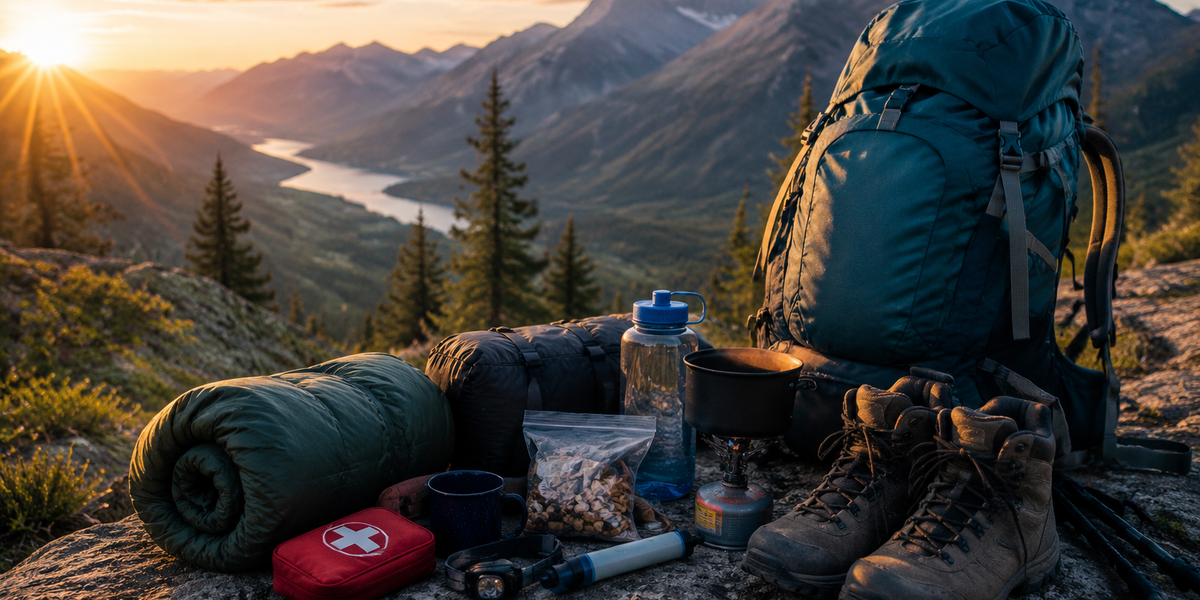
🏕️ Shelter & Sleep
- Tent with footprint or ground cloth
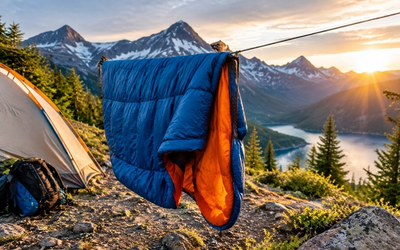
- Sleeping bag (rated for conditions)
- Sleeping pad (R-value matched to season)
- Tent stakes and guylines
🎒 The Pack
For a single overnight, 40–65L pack covers most needs. Fit matters more than volume — get sized in person or follow the brand's torso measurement guide before ordering. The Osprey Atmos AG 65 is our top pick for comfort on longer or heavier loads, with its Anti-Gravity suspension that genuinely floats the weight off your lower back.
🍽️ Food & Water
- 2–3 meals plus snacks (aim for 100 calories per oz)
- Water bottles or reservoir (2L minimum capacity)
- Water filter or purification tablets
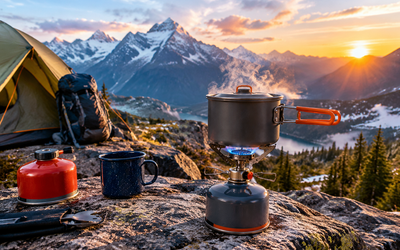
- Camp stove, fuel canister, and lighter
- Pot, spork, and biodegradable camp soap
💡 Pro Tip: Freeze-dried meals are worth the cost for your first overnight. They're light, require only boiling water, and produce zero greasy cookware cleanup at 9 PM when you're exhausted.
🧥 Clothing (Layer System)
- Moisture-wicking base layer (top and bottom)
- Insulating mid-layer (flece or down jacket)
- Waterproof shell jacket
- Hiking pants and one extra pair of socks
- Warm hat and lightweight gloves
- Camp shoes or sandals for around site
🔦 Navigation & Safety
- Headlamp with spare batteries
- Topographic map and compass (downloaded offline GPS backup)
- First aid kit with blister treatment
- Emergency whistle and space blanket
- Multi-tool or knife
- Personal locator beacon (PLB) for remote routes
🧴 Hygiene & Leave No Trace
- Trowel for cat holes (dig 6–8 inches deep, 200 ft from water)
- Biodegradable soap and hand sanitizer
- Waste bags and WAG bags if required
- Bear canister or hang bag (check regulations)
- Sunscreen and insect repellent
Frequently Asked Questions
How heavy should my overnight pack be?
For most beginners, aim for a loaded pack weight between 25 and 35 lbs. A general rule of thumb: your pack should not exceed20–25% of your body weight. If you're consistently over that, audit your sleep system and shelter first — they carry the most weight-saving opportunity.
Do I really need a bear canister for one night?
It depends on where you're going. Many wilderness areas — including Yosemite and most of the Sierra Nevada — legally require one. Even where it's not mandated, a canister protects your food from bears, raccoons, and curious rodents. Check the regulations for your specific destination before deciding.
What's the most common beginner packing mistake?
Over-packing clothing. Beginers almost universally bring too many shirts and not enough insulation. Three days of hiking generates a lot of body heat — focus on a solid insulating layer and a waterproof shell rather than five different tops.
Can I do an overnight hike without a backpacking stove?
Absolutely. No-cook meal planning — nuts, jerky, wraps, protein bars, and cold-soak meals — works fine for one night and cuts weight and complexity. Just make sure your food is calorie-dense enough to fuel the hiking.
How do I keep my pack dry in the rain?
Most quality packs like the Osprey Atmos AG 65 include a built-in rain cover. If yours doesn't, pack a pack liner (a heavy-duty trash compactor bag works great) inside and stuff your gear into it. Keep electronics and your sleeping bag in dry bags regardless.
Final Thoughts
Your first overnight hike will shape how you see the outdoors — and the right gear means the difference between a miserable slog and a trip that hooks you for life. Start with the essentials, resist the urge to over-pack, and prioritize shelter, sleep, and water treatment above everything else. You can always borrow or skip the luxuries on your first trip; you can't borrow a dry sleeping bag at midnight.
If you're ready to invest in your kit, start with a shelter that fits your budget, a pack that fits your body, and a sleep system that keeps you warm. The rest you can refine over time. We promise: once you've watched a sunrise from a ridgeline campsite you carried yourself to, the gear obsession kicks in naturally.
Editor's Choice
Big Agnes Copper Spur HV UL2 — The lightest, most livable freestanding tent in its class, ideal for beginners who want gear they won't outgrow as they advance.
TETON Sports Mountain Ultra Tent — The smartest first-tent buy under $100, giving beginers solid 3-season protection without a scary financial commitment.
Osprey Atmos AG 65 — The most comfortable pack we've tested for carrying overnight loads, with a suspension system that makes35 lbs feel like 25.