Disclosure: As an Amazon Associate, HikePod earns from qualifying purchases at no extra cost to you.
⭐ Our Top Pick
🏆 Best Overall: Big Agnes Copper Spur HV UL2 — lightweight enough for teens to manage solo, with dual doors that eliminate trapped-tent anxiety.
💰 Best Value: TETON Sports Mountain Ultra Tent — budget-friendly starter tent with full rain coverage for confident first nights alone.
Introduction
The question hits every camping parent eventually: your 10-year-old asks to sleep in their own tent, fifty feet from yours, and suddenly you're weighing independence against every wilderness scenario your brain can conjure. We've compiled guidance from pediatric development experts, wilderness educators, and verified camper experiences to answer the age-old question with nuance instead of a single magic number.
The truth is there's no universal age threshold—readiness depends on the child's maturity, the camping environment, and your family's comfort level. That said, patterns emerge from thousands of family camping trips. Most kids start asking around age 8–10, but successful solo tent sleeping typically happens between ages 10–14, with significant variation based on temperament and experience level.
This guide walks through developmental milestones, safety protocols, gear considerations, and graduated independence strategies that work for real families in real campsites. Whether you're considering a buddy tent fifteen feet away or true solo camping for a confident teen, we'll help you make an informed decision.
What to Look For
Emotional Readiness Over Chronological Age — Can your child self-soothe when startled by night sounds? Do they handle unexpected situations without panic? A confident 9-year-old may be ready while an anxious 12-year-old isn't. Watch for consistent overnight comfort at home and on previous camping trips where they stayed in the family tent.
Physical Capability to Manage Gear — Solo tent sleeping means solo tent setup, at least partially. Your child should be able to stake out a tent, operate zippers in the dark, and understand basic shelter maintenance. Practice setup in the backyard multiple times before trip day.
Communication and Emergency Protocols — Before solo tent privileges, kids must reliably follow check-in schedules, know when to use a whistle versus when to walk to the parent tent, and understand your family's specific emergency signals. This isn't negotiable.
Distance and Visibility Parameters — Starting distance matters enormously. We recommend beginning with 15–25 feet maximum for first attempts—close enough that you hear movement and can visually check the tent from yours, but far enough that it feels like independence. For guidance on creating comfortable sleeping setups for younger siblings who aren't ready yet, see our Best Camping High Chairs for Toddlers 2026 guide.
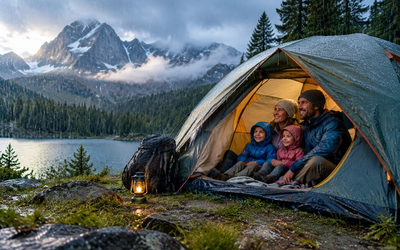
Weather and Wildlife Context — First solo nights should happen in mild, predictable weather at established campgrounds with minimal wildlife pressure. Save adventurous locations for after your child has proven competence in controlled settings. If you're camping in challenging weather conditions, check our Best Family Camping Tents for Rain 2026 recommendations for weather-appropriate shelter.
Gear Appropriate to Skill Level — A tent that's too complex creates setup frustration and middle-of-the-night malfunction anxiety. Match tent complexity to your child's demonstrated capability, not their age or your own expertise level.
Age-by-Age Readiness Guidelines
Ages 6–8: Buddy Tent Training
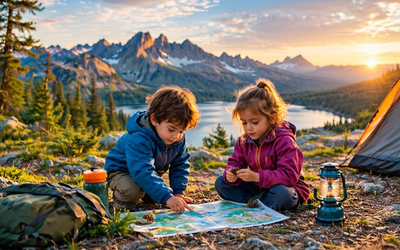
Most children this age aren't ready for true solo tent sleeping, but they can absolutely handle a "buddy tent" with a sibling or cousin, pitched within 10–15 feet of the parent tent. This age group benefits from:
| Criteria | Recommendation |
|----------|----------------|
| Distance from Parent Tent | 10-15 feet maximum |
| Sleeping Companion | Sibling or trusted peer required |
| Check-in Frequency | Every 1-2 hours until bedtime |
| Solo Capability | Not recommended |
At this developmental stage, we focus on building comfort with tent sleeping rather than independence. Set up a simple two-person tent they help pitch (but you verify). Establish a "come get us anytime" policy with zero judgment—this removes shame from nighttime retrieval requests and actually builds confidence faster than forced toughness.
✅ Pros:
- Builds tent familiarity in safe context
- Creates positive camping associations
- Develops gear management skills
❌ Cons:
- Not true independence yet
- Requires compatible buddy
- Still needs frequent parent checks
Ages 9–11: Graduated Independence
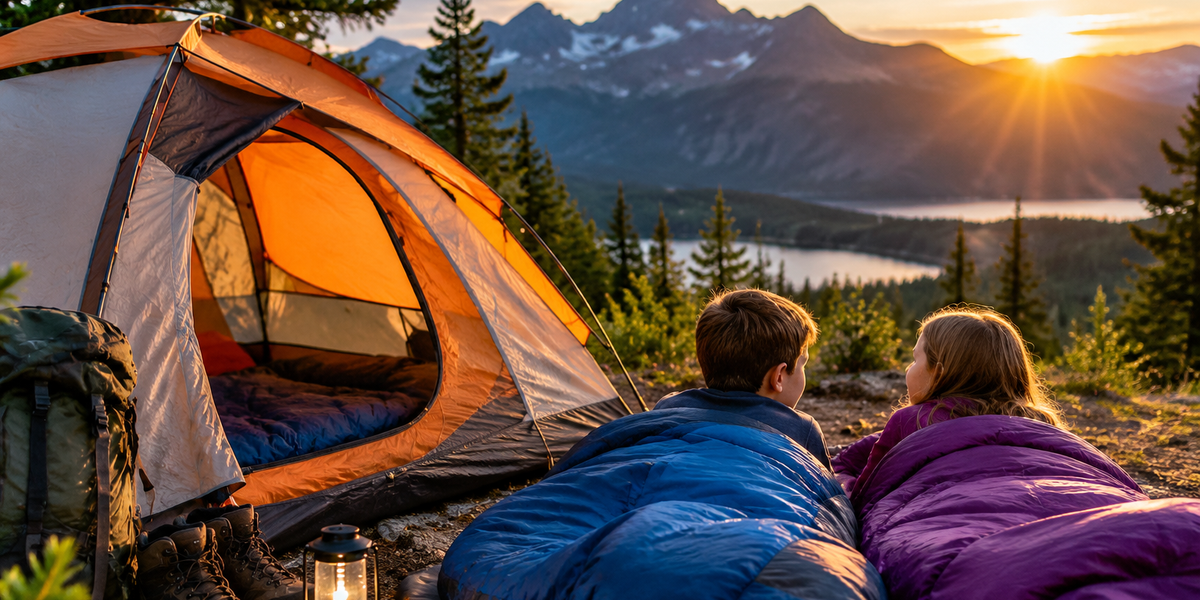
This is the sweet spot where many kids transition to actual solo tent sleeping, though with significant parental proximity and oversight. Based on verified camping family experiences, successful transitions at this age share common elements:
| Criteria | Recommendation |
|----------|----------------|
| Distance from Parent Tent | 15-30 feet |
| Sleeping Companion | Optional, child's choice |
| Check-in Frequency | Before bed, optional morning |
| Solo Capability | Possible with preparation |
Start with a single night in perfect conditions—no rain forecast, established campground, mild temperatures. The Big Agnes Copper Spur HV UL2 excels here because its lightweight design (2.6 lbs) lets kids manage setup without parent muscle, and dual doors mean they never feel trapped if they wake anxious.
Establish non-negotiable protocols: tent zipped before sleep, headlamp in known location, whistle for emergencies only, and a "just walk over" policy for anything else. Many families use a check-in knock system—parent knocks on tent pole, kid knocks back, no verbal required.
✅ Pros:
- Real independence within safety parameters
- Builds confidence and problem-solving
- Memorable milestone for many kids
❌ Cons:
- Requires calm weather and safe location
- Not all kids ready at this age
- Parent sleep quality may suffer initially
Ages 12–14: Confident Solo Camping
Most kids who've been camping regularly reach genuine solo tent competence in this range. They can handle:
| Criteria | Recommendation |
|----------|----------------|
| Distance from Parent Tent | 30-100 feet depending on setting |
| Weather Capability | Can handle moderate rain/wind |
| Check-in Frequency | Evening and morning only |
| Solo Capability | Full solo capability with proper gear |
At this developmental stage, your role shifts from constant oversight to equipment provider and backup support. Kids this age can pitch and strike camp independently, troubleshoot minor gear issues, and handle waking to rain or animal sounds without panic.
The MSR Hubba Hubba NX 2 works beautifully for this age group—its freestanding design means they can relocate if they initially pick a poor spot, and the excellent rain performance prevents the middle-of-night scramble to the parent tent during unexpected showers.
Pair the tent with an appropriate sleeping bag like the Marmot Trestles Elite Eco 20°F so temperature management isn't a variable. Nothing undermines solo tent confidence faster than being genuinely cold.
✅ Pros:
- True independence and competence
- Can camp in varied conditions
- Develops genuine outdoor skills
❌ Cons:
- Requires quality gear investment
- Not all locations appropriate even at this age
- Communication still critical
💡 Pro Tip: Before committing to solo tent sleeping at any age, do a backyard trial run. Set up your child's tent in the yard 30 feet from the house and have them sleep out there for 2–3 nights. This reveals comfort level, gear problems, and temperature management issues without wilderness consequences.
Safety Protocols That Actually Work
The Three-Zone System
Many experienced camping families use a graduated distance approach:
Zone 1 (10-20 feet): First-time solo sleepers, ages 9-10, or any child in new/challenging conditions. You hear every zipper and movement. Visual checks easy.
Zone 2 (20-50 feet): Proven solo sleepers, ages 11-13, in familiar/established campgrounds. You hear major sounds but not every rustle. Visual check requires standing up.
Zone 3 (50-100 feet): Confident teens 14+, established campgrounds only, known gear, multiple successful prior nights. Requires intentional check-in walk.
Never jump zones. A child who succeeds at Zone 1 needs multiple successful Zone 2 nights before Zone 3 consideration.
Communication Equipment
Every solo-sleeping child needs:
- Headlamp with fresh batteries (tested before bed)
- Whistle on lanyard (three blasts = emergency, one blast = "just checking")
- Watch or phone for scheduled check-ins if your family uses them
- Clear protocols written down and reviewed before sleep
Some families use walkie-talkies for older kids camping at greater distances, though this can create more anxiety than it solves for younger children who compulsively check in.
The "No Judgment" Retrieval Policy
Here's what veteran camping parents know: if you shame a kid for walking to your tent at night, you've just created anxiety around future independence. The fastest path to confident solo tent sleeping is making retrieval a zero-stakes option.
"I got scared and came back" should receive the same response as "I slept great!"—neutral acknowledgment and morning debrief about what specifically triggered the feeling. Often it's fixable (strange shadow from tree, unfamiliar sound that you can identify and normalize).
Frequently Asked Questions
What if my child is scared but doesn't want to admit it?
Watch for tells rather than listening to words. If they're asking to sleep in your tent "because it's warmer" or "just tonight," respect the underlying message. Retreat to buddy-tent or close-proximity arrangements without making it A Thing. Many kids cycle through confidence phases, and forcing the issue creates genuine anxiety.
Should siblings of different ages share a tent?
It depends on the age gap and relationship. A 13-year-old paired with a 7-year-old often creates resentment (the older child feels babysitting ruins their independence). A 10 and 12-year-old usually works beautifully. Let the kids decide whenever possible—forced buddy situations often backfire.
How do I handle wildlife concerns?
Teach realistic wildlife protocols before the trip, not while standing next to the tent at bedtime. Kids need to know that raccoons rummaging near camp are normal and non-threatening, that proper food storage prevents most encounters, and that genuinely concerning situations (bear in camp, aggressive animal behavior) warrant immediate adult notification. Vague "be careful of animals" warnings create more anxiety than specific, factual education.
What about bathroom needs at night?
This is often the hidden dealbreaker for solo tent sleeping. Options: designated pee bottle for boys (clearly marked, with secure lid), buddy system where they wake a sibling/friend, or proximity to bathroom facilities in campgrounds. Many families establish a "wake us and we'll walk you" protocol for the first few nights, then transition to independence as the child proves they can navigate safely with their headlamp.
Can kids solo tent camp in backcountry settings?
Not until mid-teens at earliest, and only with extensive front-country solo tent experience first. Backcountry variables (distance from help, wildlife, weather unpredictability, navigation complexity) require adult-level judgment. Even confident 14-year-olds should be within 50 feet of adult tents in backcountry settings.
Final Thoughts
The right age for solo tent sleeping is "when your specific child demonstrates consistent readiness in controlled conditions," which is far less satisfying than a number but far more accurate. We've seen confident 9-year-olds thrive and anxious 13-year-olds struggle, and both scenarios are completely normal.
Start conservative—close proximity, perfect weather, established campground, quality gear. Celebrate small wins rather than pushing for dramatic independence leaps. The goal isn't solo tent sleeping by a certain age; it's building competence and confidence at your child's pace. When it works, it's a genuine milestone for both kid and parent. When it doesn't, retreating to shared tents costs nothing but ego.
For families navigating the transition to more independent camping experiences while keeping younger children engaged, consider reading our guide on How to Manage Screen-Free Time While Camping with Teens for strategies that work across age ranges.
Editor's Choice
Big Agnes Copper Spur HV UL2 — The best tent for kids transitioning to solo sleeping, with manageable weight, intuitive setup, and dual-door design that prevents trapped-tent panic.
TETON Sports Mountain Ultra Tent — Budget-conscious families get excellent value here, with full rain coverage and simple setup that builds confidence without breaking the bank.
Marmot Trestles Elite Eco 20°F Sleeping Bag — Pair any solo tent with a proper sleeping bag rated for your conditions so temperature management never undermines your child's confidence.