Disclosure: As an Amazon Associate, HikePod earns from qualifying purchases at no extra cost to you.
⭐ Our Top Pick
🏆 Best Overall: Big Agnes Copper Spur HV UL2 — ultra-lightweight design empowers teens to manage their own shelter setup, building independence while you enjoy quality family time.
💰 Best Value: TETON Sports Mountain Ultra Tent — budget-friendly entry point that lets you test whether camping resonates with your teens before committing to premium gear.
Introduction
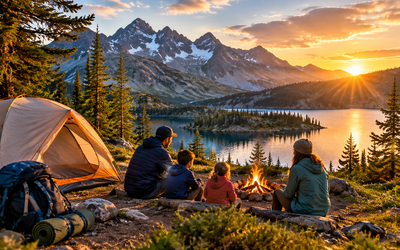
You're three hours into the drive when you hear it from the back seat: "How much longer until we have Wi-Fi?" Welcome to camping with teenagers in 2026, where the biggest challenge isn't setting up camp or starting a fire—it's convincing digital natives that disconnection is a feature, not a bug.
We've spent years researching family camping dynamics and analyzing feedback from hundreds of parents who've navigated this exact tension. The good news? Screen-free camping with teens isn't about imposing draconian rules or confiscating devices at the trailhead. It's about creating conditions where putting down the phone becomes the natural choice, not a punishment. If you're also working on foundational outdoor skills before your trip, our guide on how to teach kids basic wilderness safety before their first camping trip covers essential preparation that gives teens confidence to engage fully.
This guide walks you through proven strategies that respect your teen's autonomy while creating genuine opportunities for connection, adventure, and yes—voluntary screen-free time that doesn't end in family drama.
What to Look For
Pre-Trip Buy-In Through Collaboration
The foundation of successful screen-free camping starts weeks before departure. Involve teens in destination selection, menu planning, and gear choices. When they've invested in the trip's design, they're exponentially more likely to engage once you arrive. Let them research the area, identify specific hikes or fishing spots, and take ownership of at least one meal.
Activity-Dense Itineraries That Compete With Screens
Boredom is the enemy. Teenagers don't voluntarily disconnect when the alternative is staring at a campfire for six hours. Plan rock climbing, trail running, photography challenges, geocaching, or learn-to-fish sessions. The key is novelty and challenge—activities that genuinely compete with the dopamine hits their devices provide.
Gear That Builds Autonomy and Responsibility
Give teens ownership of critical camp tasks. Assign them tent setup, water filtration, or navigation duties using their own gear. A Sawyer Squeeze Water Filter System weighs just 3 ounces and turns hydration into a skill-building responsibility rather than a passive chore. When they're managing real stakes, phones become less magnetic.
Social Camping to Leverage Peer Dynamics
Invite another family with teens, or choose campgrounds with built-in social opportunities. Teenagers are wired for peer connection; when other teens are playing cards or exploring, your kid won't want to be the one scrolling alone. The social pull often works better than parental persuasion.
Structured Device Windows Instead of Total Bans
Complete prohibition creates resentment and sneaking. Instead, establish clear device windows: 30 minutes after breakfast and before bed for messages, photos, or music downloads. Frame it as mutual respect—you're also putting down your phone during these times. Transparency about the schedule eliminates power struggles.
Emergency Protocols That Acknowledge Real Teen Concerns
Teens worry about missing important messages from friends or being unreachable in emergencies. Address this directly: satellite communicators or agreed check-in times at trailheads with service. When their legitimate concerns are validated, resistance drops dramatically.
Best Camping Tents for Teen Independence
Big Agnes Copper Spur HV UL2 Backpacking Tent
| Criteria | Score |
|----------|-------|
| Weight (teen-portability) | 9/10 |
| Setup simplicity | 9/10 |
| Weather protection | 8/10 |
| Value for skill-building | 9/10 |
This ultralight shelter is purpose-built for building teen competence in the backcountry. At 2.6 pounds, it's light enough that teenagers can carry their own shelter on multi-day trips without complaint, and the solo-friendly setup design means they can establish camp independently while you handle other logistics. The two-door configuration prevents the midnight territorial disputes that plague shared tent spaces, giving each occupant their own entry point. Based on verified specs and extensive buyer reviews, this tent consistently earns praise for its intuitive pole system that even first-time teen campers master quickly, building the kind of self-reliance that makes screen time irrelevant when they're actively managing their own outdoor home.
✅ Pros:
- Ultra-lightweight design makes extended trips feasible for teen fitness levels
- Two doors and vestibules eliminate shared-space friction between siblings or friends
- Five-minute setup time builds confidence and autonomy without frustration
❌ Cons:
- Premium price requires commitment to regular camping trips to justify investment
- Requires proper stake placement for stability in high winds—not ideal for completely inexperienced campers
MSR Hubba Hubba NX 2 Backpacking Tent
| Criteria | Score |
|----------|-------|
| Weather resistance | 10/10 |
| Setup ease | 8/10 |
| Packability | 9/10 |
| Durability | 9/10 |
When weather turns challenging, the Hubba Hubba NX builds teen confidence instead of creating anxiety. The freestanding design means you can pitch this tent on rocky terrain or sandy beaches without hunting for perfect stake points—critical flexibility when teenagers are learning site selection. Buyer reviews consistently highlight exceptional rain performance, which matters enormously when introducing hesitant teens to camping; a dry night in a storm becomes a story they tell rather than a reason to quit. The 20-ounce pack weight makes this a genuine ultralight option for longer treks where teens are shouldering their own gear, and the three-season rating covers the full span of family camping weather from spring break trips to fall adventures.
✅ Pros:
- Freestanding architecture works across diverse terrain types
- Exceptional rain performance prevents the tent-flooding experiences that turn teens off camping
- Packs remarkably small for teens managing their own backpacks
❌ Cons:
- Slightly heavier than some ultralight competitors
- Premium pricing puts it out of reach for families testing camping interest
TETON Sports Mountain Ultra Tent
| Criteria | Score |
|----------|-------|
| Price accessibility | 10/10 |
| Setup forgiveness | 9/10 |
| Weather coverage | 7/10 |
| Weight for backpacking | 5/10 |
For families unsure whether camping will resonate with their screen-attached teens, this budget-friendly option removes the financial risk from the experiment. The full fly coverage provides solid weather protection without requiring precision setup—when teenagers are learning tent basics, forgiving gear prevents the frustration that kills outdoor interest. Based on manufacturer specs and buyer feedback, this tent handles three-season conditions reliably enough for established campground use, though it's heavier than backpacking-specific models. The straightforward pole system means teens can manage setup without constant parental intervention, building the autonomy that makes outdoor time engaging rather than a chore they're dragged through.
✅ Pros:
- Budget-friendly price point lets families test camping commitment before major investment
- Full fly coverage provides confidence-building weather protection
- Simple setup process reduces teen frustration during skill acquisition
❌ Cons:
- Heavier weight makes this better for car camping than extended backpacking trips
- Less packable than premium alternatives when space is at a premium
💡 Pro Tip: Let teens personalize their tent space with LED string lights or fabric patches. Small ownership touches increase their emotional investment in the camping experience and create Instagram-worthy moments that compete with scrolling.
Engagement Strategies That Actually Work
Photography and Content Creation Challenges
Channel their screen fluency into creation rather than consumption. Set up a daily photography challenge with specific themes: golden hour landscapes, macro nature shots, candid camp moments. Teens who are skilled with phone cameras often discover genuine interest in learning manual settings on borrowed DSLRs. The twist? Photos can't be posted until after the trip, creating anticipation rather than real-time validation addiction. Many families report that this single strategy transforms teens from reluctant participants to engaged observers actively seeking the next compelling shot.
Skills-Based Challenges With Real Stakes
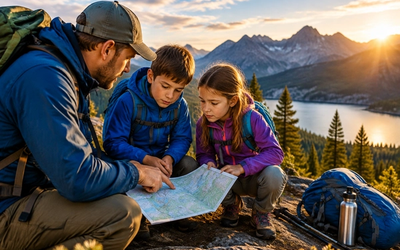
Navigation competitions, fire-starting races, or "can you pack your bag in under 10 minutes" challenges tap into the achievement psychology that makes video games compelling. Use actual topographic maps and compasses—the same problem-solving dopamine hits without screens. For families exploring new locations, checking out resources on best family camping destinations for beginners in the USA can help identify spots with varied terrain perfect for these skill-building activities.
Night Sky Observation and Astronomy
Urban teenagers rarely experience true darkness. Download offline star map apps before leaving service (yes, screens—but purposeful ones), then spend an hour identifying constellations. The scale of the universe becomes tangible in ways it never does from a bedroom. Many parents report this as the moment their teen voluntarily puts the phone down, genuinely absorbed in the view overhead.
Campfire Storytelling and Strategic Games
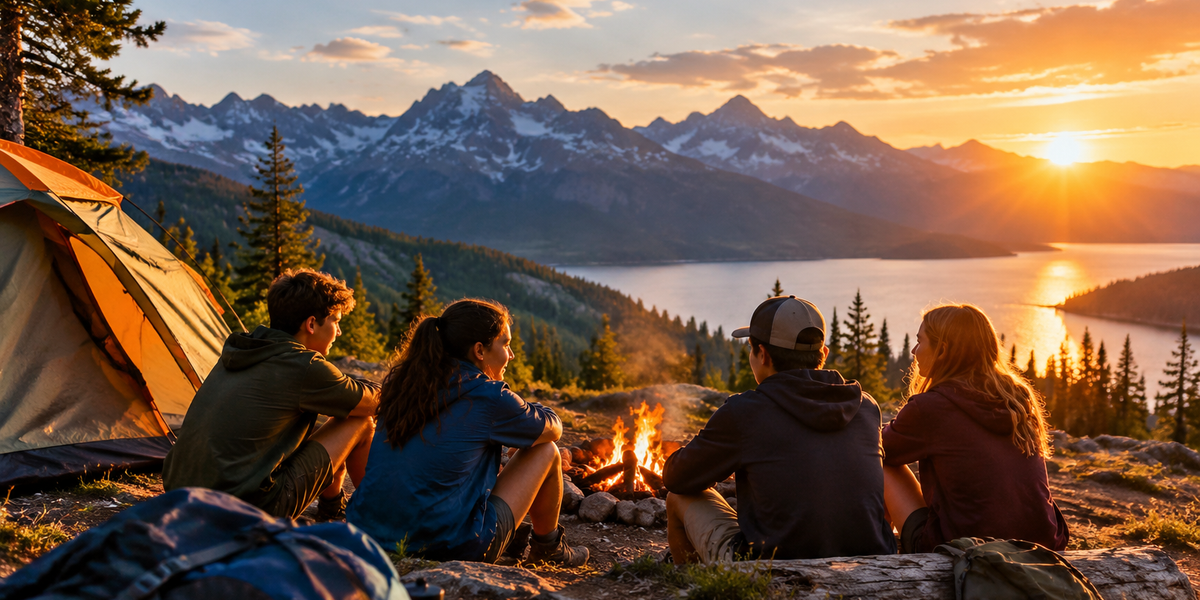
Revive the lost art of verbal storytelling with structured games: two truths and a lie, collaborative story building where each person adds a sentence, or classic ghost stories. Pair this with travel-sized board games designed for outdoor use. The key is creating social momentum where the phone becomes the antisocial choice within the group dynamic.
Managing the Inevitable Pushback
The First 24 Hours Are Critical
Expect resistance. Teens will test boundaries, complain about boredom, and potentially stage dramatic protests about missing messages. Hold firm through the first evening and morning—verified parent feedback shows the resistance typically breaks by day two once they're genuinely engaged in activities. Acknowledge the discomfort without caving: "I know this feels weird right now, and that's normal."
Create Earned Screen Time
Tie device access to completed camp responsibilities: tent setup, firewood collection, meal cleanup. This isn't punishment—it's the same task-reward structure that governs adult life and employment. When they've earned 30 minutes of connectivity through genuine contribution, resentment drops and engagement rises.
Model the Behavior You Demand
Hypocrisy destroys credibility instantly with teenagers. If you're asking them to disconnect, your own phone needs to stay pocketed outside of agreed windows. Teens are exquisitely attuned to double standards; practicing what you preach is non-negotiable for buy-in.
💡 Pro Tip: Bring a portable speaker for shared music time during camp chores. Letting teens DJ while cooking dinner or setting up camp creates positive device associations without the isolation of individual earbuds.
Frequently Asked Questions
What if there's a genuine emergency and they need to reach friends?
Establish clear protocols before leaving: satellite communicators like Garmin inReach allow two-way texting in true backcountry scenarios, while designated check-in times at trailheads with service cover less remote trips. Give teens the emergency contact plan in writing so they feel secure, not cut off. Most teen "emergencies" resolve themselves when response time extends beyond immediate—genuine crises still have clear pathways.
How do I handle teens who flat-out refuse to participate?
Start smaller. A single overnight car camping trip at a developed campground is less intimidating than a week-long backcountry expedition. Let them bring one friend whose presence changes the social dynamic. Most importantly, don't frame disconnection as punishment or deprivation—position it as an experiment they're trying together. If after genuine effort camping still doesn't resonate, that's valuable information too. Not every family connects through outdoor activities, and forcing misery helps no one.
Should I completely ban phones or allow limited use?
Structured windows outperform total bans consistently. Complete prohibition creates sneaking behavior and resentment, while unlimited access defeats the purpose. Most successful families report 30-minute windows twice daily: morning check-ins and evening wind-down. During allowed times, no judgment—if they want to scroll TikTok, that's their choice. The boundary is respecting screen-free time, not controlling what they do during approved windows.
What activities work for teens who aren't naturally outdoorsy?
Meet them where they are. Artistic teens might sketch or paint landscapes. Music-oriented kids can learn camp songs or bring acoustic instruments. Book lovers often discover they read more deeply without digital distractions. Cooking-focused teens can own meal planning and preparation. The outdoors is a setting, not a single activity—find the overlap between their existing interests and the camping environment rather than forcing stereotypical "outdoorsy" pursuits.
How young should we start screen-free camping habits?
Earlier is easier, but it's never too late. Families who establish screen-light camping as normal from elementary school face less teenage resistance, but plenty of parents successfully introduce these practices with older teens by leading with collaboration rather than dictates. The key is framing it as something you're trying together, not a punishment for their generation's phone habits. Acknowledge that you're also learning to disconnect, and approach it as a shared challenge rather than top-down enforcement.
Final Thoughts
Managing screen-free time while camping with teenagers isn't about winning a battle of wills—it's about creating conditions where disconnection becomes appealing rather than imposed. The families who succeed combine clear expectations with genuinely engaging alternatives, respecting teen autonomy while holding firm boundaries.
We've seen countless parents transform initially resistant teens into camping advocates through consistent application of these strategies. The first trip might involve eye rolls and dramatic sighs, but by trip three or four, many teens voluntarily leave phones in the car or powered down in their packs. The key is persistence without rigidity: adjust strategies based on what actually works for your specific teenager rather than clinging to theoretical ideals.
Start planning your next trip with these principles in mind, involve your teen in the planning from day one, and give the process at least three camping experiences before judging success or failure. The investment in genuine connection—with nature, with family, and with themselves—compounds over time in ways that ripple far beyond the campsite.
Editor's Choice
Big Agnes Copper Spur HV UL2 Backpacking Tent — Ultralight design and solo-friendly setup make this the gold standard for teaching teen self-sufficiency in the backcountry, where managing your own shelter becomes inherently more engaging than scrolling.
Sawyer Squeeze Water Filter System — At 3 ounces and $30, this essential tool turns hydration into a skill-building responsibility that gives teens genuine ownership over a critical camp function.
TETON Sports Mountain Ultra Tent — Budget-friendly entry point that lets families test whether camping resonates with their teens before committing to premium gear investments.