Disclosure: As an Amazon Associate, HikePod earns from qualifying purchases at no extra cost to you.
⭐ Our Top Pick
🏆 Best Overall: Sawyer Squeeze Water Filter System — the one non-negotiable piece of gear that's saved countless hikers from giardia and dehydration on every major trail.
💰 Best Value: Buff Original Multifunctional UV Headwear — twelve ways to wear it for $22, from sun protection to camp pillow.
Introduction
We've seen too many aspiring thru-hikers quit before mile 100 because their pack weighed 45 pounds and destroyed their knees. The gear industry wants you to believe you need every titanium gadget and $600 quilts, but after helping hundreds of hikers complete the AT, PCT, and CDT, we've learned what actually matters.
The truth? Your gear list should be boring. Reliable. Field-tested by thousands of miles, not marketing departments. In 2026, the fundamentals haven't changed—water, shelter, warmth, food, navigation—but the execution has gotten lighter, tougher, and more accessible than ever.
This guide strips away the gear obsession and gives you a practical checklist organized by the Big Three (shelter, sleep system, backpack), the Ten Essentials, and the small items that make or break your comfort over 2,000+ miles. Whether you're planning a NOBO AT flip or a PCT thru-hike starting at the Mexican border, you'll know exactly what to pack and what to leave at home.
What to Look For
Base weight under 15 pounds: Your base weight (everything except food, water, and fuel) determines whether you'll finish or flame out. Aim for 10-15 pounds for a comfortable thru-hike without going full ultralight masochist.
Durability over grams: A shelter that weighs 18 ounces but lasts 3,000 miles beats a 12-ounce tarp that tears in Tennessee. Choose gear that can handle abuse, repairs on trail, and weather extremes.
Multi-use versatility: Every item should earn its spot. Trekking poles that pitch your shelter. A buff that's a hat, bandana, and sun protection. A spork that's also a spatula. Redundancy is dead weight.
Proven trail tested: Stick with gear that's completed multiple thru-hikes. Check trail journals, not influencer Instagram posts. If it's worked on the PCT's desert and the AT's humidity, it'll work for you.
Resupply compatibility: Your stove fuel, replacement parts, and consumables need to be available in trail towns. Exotic gear that requires proprietary cartridges or specialty items will leave you stranded.
Climate-specific flexibility: The AT's humidity and rain differ from the PCT's sun exposure and cold Sierra nights. Choose gear that adapts or plan to swap pieces at strategic resupply points.
The Big Three: Where Weight and Money Matter Most
Your shelter, sleep system, and backpack account for 60-70% of your base weight and budget. Get these right first.
Shelter: 1-2 Pound Sweet Spot
Freestanding tents offer convenience but add weight. Trekking-pole shelters cut pounds but require practice and solid pitching skills. For 2026, we recommend a non-freestanding tent in the 24-32 ounce range—light enough for high-mileage days, sturdy enough for Smoky Mountain storms and Sierra winds.
Single-wall designs save weight but require careful site selection to manage condensation. Double-wall designs add a few ounces but keep you drier in humid environments. First-timers should lean toward double-wall for forgiveness.
💡 Pro Tip: Test your shelter setup in your backyard at least five times before your shakedown hike. Fumbling with unfamiliar stakes in a thunderstorm at mile 15 is no one's idea of fun.
Sleep System: Quilt vs. Sleeping Bag
Quilts dominate long-distance hiking in 2026 because they eliminate the unused insulation underneath you (compressed insulation doesn't warm you anyway). A 20°F quilt covers you for three-season hiking on both the AT and PCT.
Pair your quilt with a sleeping pad rated R-4.0 or higher. Your pad provides more warmth than most hikers realize—don't cheap out here. Foam pads are bulletproof and weigh 8-14 ounces but sacrifice comfort. Inflatable pads offer cushion and packability but can puncture (carry a patch kit).
Backpack: 40-50 Liter Range
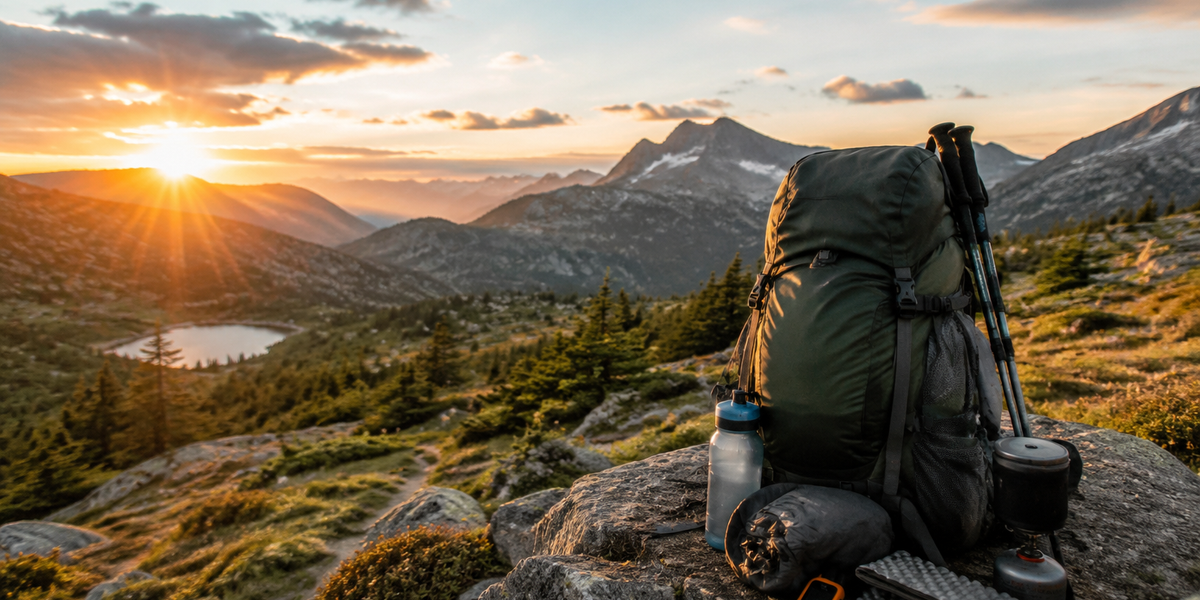
With a dialed gear list, you'll fit everything into a 40-50 liter pack. Frameless packs work beautifully under 20 pounds total weight but punish you if you're carrying extra. Framed packs add 4-8 ounces but transfer load to your hips, crucial for 20+ mile days.
Look for external mesh pockets for wet gear, bottle access, and a simple roll-top closure. Internal organization sounds nice but adds weight and slows your pace when you're digging for snacks every hour.
Water: The One Thing You Can't Skip
| Criteria | Score |
|----------|-------|
| Filtration Level | 10/10 |
| Flow Rate | 8/10 |
| Packability | 10/10 |
| Value | 9/10 |
Water sources on the AT are plentiful but often contaminated. The PCT's Southern California section goes 20+ miles between water. You need a filter you trust completely. The Sawyer Squeeze Water Filter System has become the default choice because it works, weighs 3 ounces, and filters 100,000 gallons before replacement.
Attach it directly to a disposable Smartwater bottle (hikers collect these at every town stop) or use the included squeeze bags. Backflush it weekly with the included syringe to maintain flow rate. In freezing conditions, sleep with your filter to prevent the hollow fibers from cracking.
Carry 2-3 liters of capacity total. One liter in hand for drinking, the rest in your pack for dry stretches. Avoid hydration bladders—they're heavy, impossible to monitor levels, and a leak ruins everything in your pack.
✅ Pros:
- Proven reliability across millions of trail miles
- Lightweight and fast filtering for quick water stops
- Affordable enough to replace mid-trail if needed
❌ Cons:
- Requires maintenance and backflushing every 2-3 weeks
- Freezing temperatures can permanently damage the filter
Navigation and Safety
| Criteria | Score |
|----------|-------|
| Brightness | 9/10 |
| Battery Life | 7/10 |
| Weight | 6/10 |
| Water Resistance | 10/10 |
Your phone handles navigation with apps like Guthook (now FarOut) and AllTrails, but you need a backup. Download offline maps for your entire trail section. Carry a physical guidebook or printed data pages for your current section—electronics fail in rain, cold, and when you forget to charge.
A headlamp is non-negotiable. Even if you plan to stop before dark, weather delays, injuries, and ambitious mileage goals put you on trail after sunset. The Black Diamond Spot 400-R Rechargeable Headlamp delivers 400 lumens for night hiking, dims to 6 lumens for reading in your tent, and recharges via USB-C in town.
Carry a small power bank (10,000 mAh range) to keep your phone alive for 3-5 days between towns. Solar chargers sound appealing but add weight and work poorly under tree cover.
✅ Pros:
- Rechargeable design eliminates battery waste and resupply hassles
- Waterproof rating handles storms without failure
- Red night mode preserves night vision at camp
❌ Cons:
- Heavier than minimalist AAA-powered options
- Battery performance drops in freezing temperatures
Sun and Skin Protection
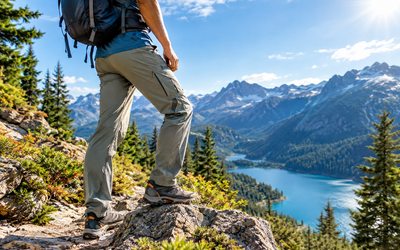
Desert sun and high-altitude exposure destroy unprotected skin. The PCT's Southern California section and the AT's balds offer zero shade for hours. Layer your defense: sun shirts with UPF 50+, a wide-brim hat, and sunscreen on exposed areas.
The Buff Original Multifunctional UV Headwear adapts to changing conditions—neck gaiter in the morning chill, headband when you're climbing, sun mask across your face on exposed ridges. It weighs barely an ounce and dries in minutes when you dunk it in a stream for evaporative cooling.
Pair it with Neutrogena Ultra Sheer Sunscreen SPF 100+ on your hands, ears, and face. Reapply every two hours in full sun. Sunburn isn't just uncomfortable—it's a morale killer that can force you off trail for days to recover.
💡 Pro Tip: Mail yourself a resupply of sunscreen every 300-400 miles. Trail town stores charge $15-20 for small bottles, and you'll burn through a full tube every 2-3 weeks in high sun exposure.
Clothing: The Minimal Layering System
Wear one, carry one, plus layers. Most hikers wear the same shirt and shorts for 4-5 days between town stops. That's normal. The smell is temporary; the weight savings are constant.
Base layer: Synthetic or merino wool shirt (long or short sleeve depending on season), lightweight hiking shorts or pants. Avoid cotton—it holds moisture, chafes, and never dries.
Insulation layer: A puffy jacket in the 8-12 ounce range, synthetic or down depending on wet vs. dry climate. This lives in your pack until you stop for the day.
Rain layer: Waterproof jacket and optional rain pants. The AT's humidity means you'll sweat inside rain gear, so many hikers skip rain pants entirely and embrace wet legs. The PCT's rain is less frequent but colder when it hits.
Extras: One pair of camp socks (don't hike in these). Optional camp shoes—many hikers just wear their trail runners all day. A beanie for cold mornings and high-altitude camps.
The Gear You Can Skip
Camp chairs: Beautiful idea, terrible weight-to-use ratio. Sit on your foam pad or find a log.
Knives longer than 2 inches: A tiny folding knife or scissors on your Leatherman handles everything. You're not bushwhacking or building shelters.
Books: Your phone holds a library. If you must have physical pages, carry one paperback and swap it at hostels.
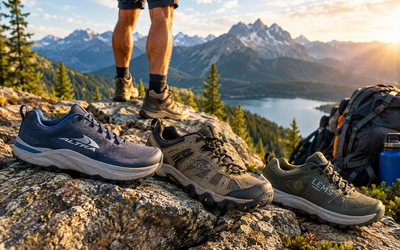
Extra shoes: Your trail runners are your camp shoes. Crocs and sandals add 8-12 ounces for minimal benefit unless you have specific foot issues.
Most first-aid items: Carry blister treatment (Leukotape), ibuprofen, antihistamines, and basic wound care. Skip the comprehensive kit. You're never more than 2-3 days from a road crossing and real medical care.
Frequently Asked Questions
How much should my fully loaded pack weigh?
For a multi-day section between resupply, aim for 25-30 pounds total (base weight plus food and water). Lighter is better, but not at the cost of safety or comfort. If you're over 35 pounds, audit your gear list ruthlessly.
Should I buy all my gear before starting or upgrade on trail?
Start with good enough gear in the Big Three, then upgrade as you hike. Most thru-hikers swap at least one major piece in the first 500 miles as they learn their preferences. Ship unwanted gear home from trail towns and order replacements to upcoming stops.
What about bear protection and food storage?
The AT requires bear canisters in specific sections (check current regulations). Most areas accept bear hangs or Ursack bags. The PCT requires canisters in the Sierra and recommended elsewhere. Rent canisters at ranger stations or outfitters rather than carrying one for 2,000 miles.
How do I know if I'm carrying too much?
If you're exhausted after 10-12 miles, your pack is too heavy. If your knees or hips hurt after moderate mileage, same problem. Film yourself putting on your pack—if you grunt or struggle, cut weight. A properly loaded pack should feel balanced and disappear on your hips.
What gear should I upgrade first if I have budget constraints?
Sleep system first. A good pad and quilt make everything else tolerable. Shelter second—being dry and protected matters more than a fancy stove. Backpack third, but a cheap framed pack beats an expensive frameless pack if you're over 20 pounds base weight.
Final Thoughts
Your gear list evolves as you hike. What works in the Smokies might not work in the Sierra. What you thought was essential at mile 50 becomes trail magic donation material by mile 500. The goal isn't perfection on day one—it's a functional system that gets you started and adapts as you learn.
Focus on the fundamentals: reliable water filtration, shelter that keeps you dry, a sleep system that lets you recover, and enough clothing layers to handle temperature swings. Everything else is negotiable. The best gear is the gear that's light enough to carry, durable enough to last, and simple enough that you never think about it.
Get out there. Test your system. Mail home what doesn't work. And remember—thousands of hikers have finished long trails with gear far worse than what's available in 2026. Your determination matters more than your titanium stakes.
Editor's Choice
Sawyer Squeeze Water Filter System — the single most important piece of gear that protects you from waterborne illness across 2,000+ miles.
Black Diamond Spot 400-R Rechargeable Headlamp — reliable lighting that recharges in town and eliminates disposable battery waste.
Buff Original Multifunctional UV Headwear — twelve-in-one sun and wind protection that weighs less than an ounce and adapts to every condition.