Disclosure: As an Amazon Associate, HikePod earns from qualifying purchases at no extra cost to you.
⭐ Our Top Pick
🏆 Best Overall: Big Agnes Copper Spur HV UL2 — two doors and lightning-fast setup mean less stress when baby's melting down at bedtime.
💰 Best Value: TETON Sports Mountain Ultra Tent — reliable three-season protection at a price that won't sting if you decide camping with an infant isn't your thing.
Introduction
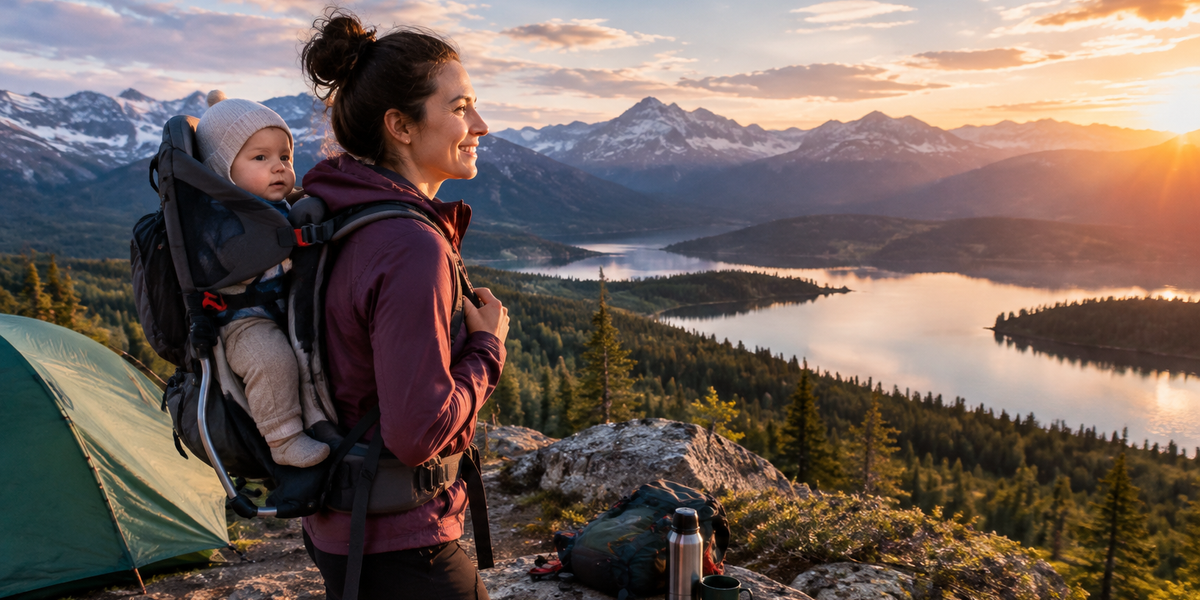
The question we hear most from new parents: "Is it crazy to camp with a baby who can't even walk yet?" Short answer: no, but it requires a different mindset than your pre-kid backpacking trips. Infants under one year are surprisingly portable—they don't run off, they sleep in predictable cycles (mostly), and they're content as long as basic needs are met. The challenge isn't the baby; it's recalibrating your expectations and packing the right safety net.
We've compiled guidance from pediatric recommendations, gear specs, and thousands of verified buyer reviews from parents who've done this successfully. This isn't about re-creating your old camping style with a baby strapped on—it's about discovering a new rhythm that works for your family. Whether you're car camping at a developed site or attempting a short backpacking overnight, the principles remain the same: temperature regulation, safe sleep, and realistic mileage.
If you're also figuring out the broader logistics of camping with young children, our Family Camping Checklist for First-Timers: What to Bring When Camping With Kids guide covers the full spectrum of gear and planning considerations.
What to Look For
Safe Sleep Surface — The AAP recommends babies sleep on a firm, flat surface with no loose bedding. A padded sleeping pad inside a sleep sack (not a loose blanket) replicates crib safety standards. Avoid co-sleeping in adult sleeping bags or on soft, uneven surfaces.
Temperature Regulation — Infants can't regulate body temperature as efficiently as adults. Plan for one extra layer beyond what you'd wear, and check the back of baby's neck periodically (not hands or feet, which run cooler naturally). A 20-degree buffer above freezing is a conservative starting point for overnight lows.
Shelter with Quick Setup — A tent that pitches in under 10 minutes keeps you agile when weather shifts or baby hits peak fussy hour. Look for freestanding designs you can reposition without re-staking, and dual doors for midnight diaper changes without a full tent evacuation.
Sun and Insect Protection — Babies under six months can't use sunscreen or DEET-based repellents. Physical barriers—long sleeves, hats with neck flaps, mesh netting over carriers—are your primary defense. The Buff Original Multifunctional UV Headwear offers UPF 50+ protection and can be configured as a neck gaiter, hat, or headband depending on conditions.
Realistic Mileage and Proximity to Car — For a first trip, stay within 30 minutes of your vehicle. If baby has a meltdown or you forgot a critical item, a short hike out is manageable. Veteran parents eventually push further, but there's no trophy for making your debut trip harder than it needs to be.
Feeding Setup — Breastfeeding simplifies logistics (no bottles to sanitize, no cooler needed). If formula-feeding, bring pre-measured powder in a dispenser and bottled water—boiling water over a camp stove with a screaming infant is a recipe for stress.
Big Agnes Copper Spur HV UL2 Backpacking Tent
| Criteria | Score |
|----------|-------|
| Setup Speed | 9/10 |
| Livable Space | 8/10 |
| Weather Protection | 9/10 |
| Weight (Packability) | 10/10 |
The Copper Spur's dual-door configuration is a game-changer when you're managing an infant. One parent can slip out for a 2 AM diaper run without stepping over the other or waking baby. At 2.6 lbs packed weight, it's also the lightest option here if you're attempting a backpacking trip with a front carrier. The DAC Featherlite poles and color-coded setup mean you can pitch it solo in under five minutes—critical when baby's tolerance for being in a carrier has expired.
Floor space is 29 square feet, which sounds ample but shrinks fast once you add sleeping pads, a diaper caddy, and a small duffel for baby clothes. The two vestibules (18 sq ft each) become essential storage for boots, bottles, and anything you don't want inside the sleeping area. Ventilation is excellent—mesh panels on the canopy and fly vents prevent condensation buildup, which matters when you're breathing warm, moist air over a baby all night.
✅ Pros:
- Two doors eliminate the midnight climbing-over-partner scramble
- Ultralight 2.6 lbs if backpacking with baby in a carrier
- Sets up solo in 5 minutes even in wind or light rain
- Generous vestibule space for gear organization
❌ Cons:
- Premium price—$550 is a significant investment
- Interior width (52 inches at widest) gets cozy with three pads and baby gear
- Silnylon floor requires seam sealing for full waterproofness
MSR Hubba Hubba NX 2 Backpacking Tent
| Criteria | Score |
|----------|-------|
| Setup Speed | 8/10 |
| Livable Space | 7/10 |
| Weather Protection | 10/10 |
| Weight (Packability) | 9/10 |
The Hubba Hubba's reputation for bulletproof rain performance makes it a top pick for parents who won't cancel a trip over a forecast. The Xtreme Shield waterproof coating and full-coverage rainfly have been field-proven in Pacific Northwest downpours, and the bathtub-style floor keeps groundwater out even on saturated sites. At 20 oz packed weight, it's only slightly heavier than the Copper Spur.
The single-door layout is the tradeoff. If baby sleeps between parents, one of you is climbing over the other for nighttime duties. Some parents solve this by positioning baby along the tent's length rather than width, but it requires deliberate spatial planning. The freestanding design is a win—if baby won't settle in your initial spot, you can pick up the entire tent and move it 10 feet without re-staking.
✅ Pros:
- Exceptional rain and wind performance for unpredictable weather
- Freestanding design—relocate the tent if baby's fussy about the spot
- Packs to 20 oz, excellent for weight-conscious parents
- Fast setup with pre-bent poles and color-coded clips
❌ Cons:
- Single door makes nighttime parent swaps awkward
- Slightly narrower floor (50 inches) than the Copper Spur
- Higher price point than budget options
TETON Sports Mountain Ultra Tent
| Criteria | Score |
|----------|-------|
| Setup Speed | 7/10 |
| Livable Space | 8/10 |
| Weather Protection | 7/10 |
| Value | 9/10 |
At $90, the TETON Sports Mountain Ultra is the entry ticket for parents testing whether infant camping is sustainable for their family. The full-coverage fly and taped seams handle moderate rain, though the single-wall fabric breathes less effectively than the premium tents—expect some condensation on humid nights. Floor space is generous at 33 square feet, giving you room to spread out with baby gear without playing Tetris.
Setup takes 10–15 minutes, longer than the Copper Spur but still manageable. The poles are fiberglass rather than aluminum, adding weight (6 lbs) but keeping costs down. This is a car-camping tent, not a backpacking option—if your plan is to drive to a site, unload, and set up 50 feet from your vehicle, the weight penalty doesn't matter.
✅ Pros:
- Budget-friendly price lets you experiment without major financial risk
- Full fly coverage protects from sun and rain
- Generous floor space for organizing baby gear
- Good starter tent for developed campgrounds
❌ Cons:
- Heavier (6 lbs) and bulkier than ultralight options
- Ventilation adequate but not exceptional in warm, humid conditions
- Fiberglass poles are heavier and less durable than aluminum
💡 Pro Tip: Pack a small battery-powered fan to clip inside the tent on warm nights. Infants overheat more easily than adults, and even minimal air circulation helps prevent that clammy, restless sleep.
Safe Sleep Practices in the Backcountry
The American Academy of Pediatrics' safe sleep guidelines don't take a vacation when you're camping. Babies under one year should sleep on their backs on a firm surface—your sleeping pad works, provided it's flat and taut. Use a sleep sack rated for the overnight low rather than loose blankets, which pose suffocation risk. Co-sleeping in an adult sleeping bag is explicitly discouraged; the loose fabric and uneven surface create hazards.
If you're breastfeeding at night, sit up to feed rather than lying down in your bag. Once baby's done, move them back to their own pad. Some parents use a portable bassinet with a firm mattress, like a lightweight Moses basket, though this adds bulk. The simplest setup: a thick inflatable pad (R-value 3+), a fitted sheet, and a sleep sack. Check baby's temperature by feeling the back of their neck—it should be warm but not sweaty.
Temperature and Weather Considerations
Infants lose heat faster through their larger surface-area-to-weight ratio. A general rule: if the overnight low is forecast below 50°F, add one full layer beyond what you'd wear. A fleece onesie under a sleep sack, plus a beanie, is baseline. Below 40°F, consider a fleece or down bunting over the sleep sack. Watch for overheating, too—if baby's neck is damp or they're flushed, strip a layer.
Avoid camping during heat advisories (highs above 90°F) unless you have significant shade and water access. Babies can't sweat effectively, and dehydration escalates quickly. For your first trip, target shoulder seasons—late spring or early fall—when overnight lows stay between 50–65°F and daytime highs are comfortable.
💡 Pro Tip: Bring a basic ear thermometer. If baby feels unusually warm or cold and you're unsure, a quick temp check (normal range: 97.5–99.5°F) gives you objective data to decide whether to adjust layers or pack out.
Feeding and Diapering Logistics
Breastfeeding mothers have the easiest setup—no bottles, no cooler, no sterilization. Nurse on demand, just as you would at home. If pumping, bring a manual pump (no electricity needed) and store milk in a cooler with ice packs, using it within 24 hours.
Formula-feeding requires more planning. Pre-measure powder into a formula dispenser with three or four compartments. Bring bottled water (don't rely on filtering stream water for infant consumption). Mix bottles as needed. A small insulated bottle holder keeps prepared formula cool for up to two hours if you're making it in advance for a hike.
Diaper changes happen on a portable changing pad (a simple waterproof mat works). Pack out all dirty diapers in a dedicated odor-proof bag—never bury or burn them. Bring 50% more diapers than you'd use at home, plus a full pack of wipes. Budget 8–10 diapers per 24 hours for infants under six months, 6–8 for older babies.
What About Older Siblings?
If you're camping with a baby and a toddler or preschooler, the calculus shifts. Older kids need entertainment, boundaries, and supervision—all while you're managing an infant's needs. Our guide on How to Keep Toddlers Entertained While Camping Without Screens: 15 Activities That Actually Work offers specific strategies for balancing multiple ages. The short version: bring a helper (partner, grandparent, friend) so one adult can focus on the baby while the other supervises the older child.
Frequently Asked Questions
Can I camp with a newborn under three months?
Pediatricians generally recommend waiting until baby is at least two months old and has received their first round of vaccinations before extended outdoor exposure. Newborns have underdeveloped immune systems and limited temperature regulation. If you do camp with a very young infant, stay within 20 minutes of your car and choose a low-traffic site to minimize germ exposure.
How do I handle nighttime wakings in a tent?
Babies under one year typically wake 1–3 times per night. Keep a headlamp with a red-light mode (preserves night vision and doesn't wake your partner) next to your sleeping pad. Have diapers, wipes, and a change of clothes within arm's reach. If breastfeeding, sit up to nurse rather than lying down. If bottle-feeding, pre-fill bottles with room-temperature water and add powder as needed—no need to warm it unless baby refuses.
What if it's too cold or too hot once we're there?
If overnight temps drop unexpectedly and baby feels cold despite added layers, bring baby into your sleeping bag against your chest (skin-to-skin if necessary), ensuring their face is clear and you're not at risk of rolling over. If it's too hot, strip baby to a diaper and onesie, keep the tent ventilated, and offer extra breast milk or formula to prevent dehydration. If conditions feel unsafe, pack out—there's no shame in calling it early.
Do I need a special sleeping bag for baby?
No. Standard sleep sacks (wearable blankets) work perfectly. Choose one rated 10–15 degrees below the overnight low. For example, if it'll hit 55°F, use a sleep sack rated for 40–45°F. Avoid traditional baby sleeping bags with zippers that allow baby to slide down inside—these pose suffocation risk.
How far can I realistically hike with a baby in a carrier?
Start with 2–3 miles round trip and assess. Babies add 10–20 lbs to your load, and their weight sits high on your torso, affecting balance. Factor in extra stops for feeding, diaper changes, and just letting baby out of the carrier to stretch. Experienced parents eventually cover 6–8 miles, but your first trip should prioritize a comfortable, low-stress experience over mileage.
Final Thoughts
Camping with a baby under one year isn't about ticking off epic trails or summiting peaks—it's about proving to yourself that parenthood doesn't mean the end of outdoor adventures. Start small: a single night at a developed campground with your car nearby. Dial in your systems, learn what baby tolerates, and build from there. The parents who make this a sustainable habit are the ones who set realistic expectations and prioritize safety over ambition.
The gear matters, but mindset matters more. Accept that this trip will look different from your pre-kid camping. Accept that you might pack out early. Accept that you'll carry more weight and cover less ground. And also accept that watching your baby experience their first sunrise from a tent, or fall asleep to the sound of a crackling fire, is worth every awkward diaper change and sleepless hour.
For a comprehensive packing list that covers babies, toddlers, and older kids, revisit our Family Camping Checklist for First-Timers to ensure you're not forgetting critical items.
Editor's Choice
Big Agnes Copper Spur HV UL2 — The dual-door layout and ultralight design make this the go-to tent for parents serious about camping with an infant, whether car camping or backpacking.
TETON Sports Mountain Ultra Tent — If you're testing the waters and want a reliable three-season shelter without the premium price tag, this budget-friendly option delivers solid performance for car camping trips.
Buff Original Multifunctional UV Headwear — Versatile sun protection for both parents and baby (once they're old enough to keep a hat on)—the UPF 50+ rating and multiple configurations make this a staple in any family camping kit.