Disclosure: As an Amazon Associate, HikePod earns from qualifying purchases at no extra cost to you.
⭐ Our Top Pick
🏆 Best Overall: Merrell Men's Moab 3 Mid Waterproof Hiking Boot — zero break-in pain, proven Vibram traction, and waterproof protection that works straight out of the box.
💰 Best Value: KEEN Men's Targhee III Mid Waterproof Hiking Boot — wide toe box and reliable waterproofing at a fair price, perfect for wide-foot hikers.
Introduction
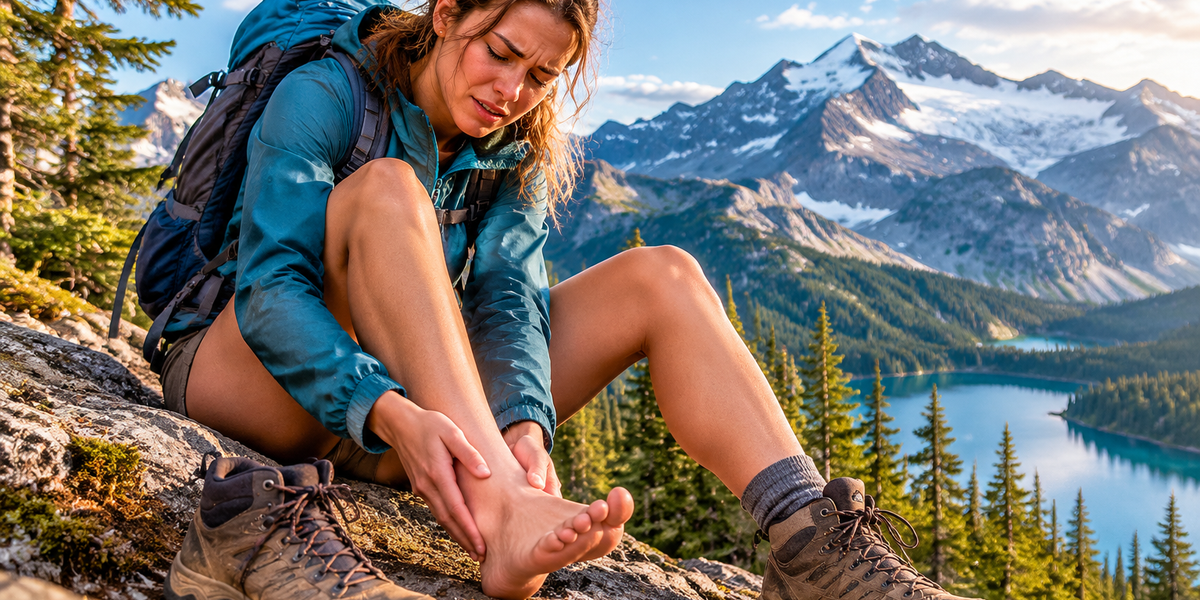
Few things ruin a hike faster than foot pain. You lace up your new boots, hit the trail with excitement, and within two miles your toes are screaming, your heels are blistering, or the top of your foot feels crushed. The culprit is rarely the boot itself—it's almost always a mismatch between your foot and the boot's fit, an inadequate break-in period, or a sizing mistake made at the store or online checkout.
We researched dozens of hiking boot models, analyzed manufacturer specs, and combed through thousands of verified buyer reviews to identify the most common sources of foot pain in hiking boots. The good news: most pain is preventable with the right approach to sizing, break-in, and fit adjustments. If you're also dealing with pressure on the top of your foot, our guide on Why Do Hiking Boots Hurt the Top of Your Foot? Lacing Techniques and Tongue Padding Fixes That Actually Work offers targeted solutions for that specific issue.
This guide breaks down the science of boot fit, the reality of break-in periods, and the sizing traps that catch even experienced hikers. By the end, you'll know exactly why your feet hurt—and what to do about it.
What to Look For
Proper Sizing Beyond Length: Most hikers size boots by length alone, but width, volume, and toe box shape matter just as much. A boot that's the right length but too narrow will crush your midfoot and cause hotspots within miles.
Break-In Period Expectations: Leather boots require 20-50 miles of break-in; synthetic boots need 5-15 miles. Skipping this phase guarantees blisters and pressure points on longer hikes.
Heel Lock and Ankle Fit: Your heel should stay locked in place when walking downhill. Heel slippage leads to blisters, while an overly tight ankle collar restricts circulation and causes numbness.
Sock Pairing and Thickness: Boots fit differently with thin liners versus thick wool socks. Always try boots with the socks you'll actually hike in—thickness changes the entire fit equation.
Footbed and Arch Support: Factory insoles are often generic. If you have high arches or flat feet, aftermarket footbeds can eliminate pressure points that cause midfoot pain.
Lacing Technique: The wrong lacing pattern can create pressure zones or allow too much slop. Learning to adjust lace tension by zone solves many fit issues without buying new boots.
Sizing Mistakes: The Root Cause of Most Boot Pain
The single biggest source of foot pain is buying the wrong size. Here's what goes wrong: hikers size boots the same way they size running shoes, measuring length and calling it done. But hiking boots need a thumb's width of space in the toe box when standing, and they must be tried on with hiking socks—not dress socks or barefoot.
Manufacturer sizing also varies wildly. A size 10 in Merrell runs differently than a size 10 in Salomon or KEEN. Width matters even more: many brands offer only medium width, forcing wide-footed hikers into boots that crush their metatarsals. The result is numbness, hotspots, and pain that escalates mile after mile.
💡 Pro Tip: Always size boots in the afternoon when your feet are slightly swollen from daily activity. Feet expand on the trail due to heat and impact, and morning sizing underestimates your true fit needs.
Another trap: ordering online without trying multiple sizes. Manufacturer size charts are guidelines, not guarantees. Verified buyer reviews consistently show that sizing up half a size eliminates toe bang on descents, the painful condition where toes slam into the front of the boot on downhill sections.
The Break-In Period: Why New Boots Always Hurt at First
Even a perfectly sized boot will cause discomfort during the break-in period. This is when stiff materials—leather uppers, rigid midsoles, unformed footbeds—gradually conform to your foot's unique shape. Leather boots require the longest break-in (20-50 miles), while synthetic boots soften faster (5-15 miles).
During break-in, expect pressure points at the heel counter, stiffness in the ankle collar, and tightness across the midfoot. This is normal. What's not normal: blisters that appear within the first mile, or pain so severe you can't complete a short hike. That signals a sizing or fit problem, not break-in.
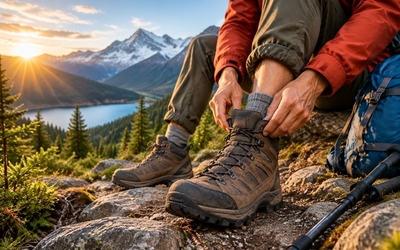
The best break-in strategy: wear boots around the house for 1-2 hours daily for a week, then graduate to short, flat walks before hitting technical terrain. This gradual approach lets materials soften without punishing your feet on a 10-mile trek.
💡 Pro Tip: Speed up leather boot break-in by wearing them in a hot shower for 5 minutes, then walking in them until they dry. The heat softens the leather, allowing it to mold to your foot faster.
Common Fit Issues That Cause Foot Pain
Heel Slippage and Blisters
If your heel lifts more than a quarter-inch when walking, the boot is either too large or not laced correctly. Heel slippage causes friction blisters on the Achilles tendon and heel. The fix: use a heel-lock lacing technique (also called a runner's loop) to cinch the ankle area independently from the midfoot. If that doesn't work, the boot volume is wrong for your foot shape.
Toe Bang on Descents
Toes slamming into the front of the boot on downhill sections indicates insufficient toe box space. This happens when boots are sized too small or when laces aren't loosened before descents. The impact causes black toenails, blood blisters, and sharp pain. Prevention: size up half a size, and always loosen your laces before steep downhills to let your foot slide back slightly.
Midfoot and Arch Pain
Pain along the arch or ball of the foot usually stems from inadequate arch support or a footbed that doesn't match your foot type. Factory insoles are designed for average arches. If you have high arches, the lack of support causes your foot to overpronate, straining the plantar fascia. If you have flat feet, too much arch causes pressure and bruising. Aftermarket insoles (Superfeet, Sole, or custom orthotics) solve this in one swap.
Top-of-Foot Pressure
This pain—a crushing sensation across the instep—comes from boots with low-volume uppers or overly tight lacing. It's common in boots with rigid tongue padding or narrow lacing patterns. The fix: skip the top eyelets when lacing, or switch to a boot with a higher instep volume. For detailed solutions, see our guide on Why Do Hiking Boots Hurt the Top of Your Foot?.
Boot Recommendations for Pain-Free Hiking
Merrell Men's Moab 3 Mid Waterproof Hiking Boot
| Criteria | Score |
|----------|-------|
| Out-of-Box Comfort | 9/10 |
| Waterproofing | 9/10 |
| Break-In Period | 10/10 |
| Value | 8/10 |
The Merrell Men's Moab 3 Mid Waterproof Hiking Boot is the top seller for a reason: it eliminates break-in pain entirely. The soft leather and mesh upper feels comfortable from mile one, and the waterproof membrane keeps feet dry without the stiffness of traditional leather boots. The Vibram outsole delivers reliable traction on wet rock and muddy trails. At $139.95, it's the best balance of comfort, durability, and price. Buyer reviews consistently mention zero blisters on first hikes and a forgiving fit that works for medium-width feet.
✅ Pros:
- Zero break-in period—comfortable immediately
- Proven Vibram traction on technical terrain
- Waterproof protection for all-weather hiking
❌ Cons:
- Medium width may feel tight for wide feet
- Heavier than ultra-light hiking shoes
Salomon Men's X Ultra 4 GTX Hiking Shoes
| Criteria | Score |
|----------|-------|
| Weight | 10/10 |
| Agility | 9/10 |
| Waterproofing | 9/10 |
| Ankle Support | 6/10 |
The Salomon Men's X Ultra 4 GTX Hiking Shoes are built for speed. At just 12.5 ounces per shoe, they reduce fatigue on long, fast-paced hikes. The Gore-Tex lining keeps feet dry, and the Contagrip rubber sole grips mixed terrain—loose gravel, wet rock, alpine scrambles—without hesitation. The low-cut design sacrifices ankle support, making these better for day hikes than multi-day backpacking trips. The minimal break-in period (5-10 miles) and precise fit earn high marks from trail runners transitioning to hiking.
✅ Pros:
- Ultra-light 12.5 oz weight reduces leg fatigue
- Minimal break-in period—ready fast
- Contagrip sole excels on technical terrain
❌ Cons:
- Low-cut design offers less ankle stability
- Higher price at $179.95
KEEN Men's Targhee III Mid Waterproof Hiking Boot
| Criteria | Score |
|----------|-------|
| Toe Box Width | 10/10 |
| Waterproofing | 8/10 |
| Break-In Period | 7/10 |
| Value | 9/10 |
The KEEN Men's Targhee III Mid Waterproof Hiking Boot solves the wide-foot problem. The generous toe box prevents the cramping and numbness that plague hikers with wide feet in standard boots. KEEN.DRY waterproofing performs reliably in rain and stream crossings, though it's slightly less breathable than Gore-Tex. The break-in period runs 10-15 miles for most users—longer than the Moab 3, but shorter than traditional leather boots. At $159.95, it's a strong value pick for hikers who need extra toe room.
✅ Pros:
- Wide toe box prevents cramping in wide feet
- KEEN.DRY waterproofing handles wet conditions
- Mid-range price with solid durability
❌ Cons:
- Bulkier fit may feel less precise on technical trails
- 10-15 mile break-in period for some users
Lacing Techniques That Eliminate Pressure Points
Proper lacing can fix fit issues without buying new boots. The heel-lock technique (threading laces through the top eyelets to create a loop, then crossing and tightening) locks the heel in place and prevents slippage. For top-of-foot pressure, skip the second or third eyelet from the top to reduce tension across the instep.
Window lacing—skipping one eyelet on each side—creates a pressure-relief zone for the midfoot. This works for hikers with high arches or bony protrusions that hurt under standard lacing. Experiment with tension: the bottom eyelets (toe box) should be snug but not tight, the middle eyelets (midfoot) should be firm, and the top eyelets (ankle) should be tight enough to prevent heel lift without cutting off circulation.
💡 Pro Tip: Carry a Buff Original Multifunctional UV Headwear in your pack—it doubles as an emergency blister barrier when folded and placed between your heel and boot liner on the trail.
When to Replace Your Boots
If foot pain appears suddenly in boots that previously fit well, the midsole is likely compressed. Midsoles lose cushioning after 500-800 miles, causing the foot to sit lower in the boot and creating new pressure points. Other signs: visible heel counter collapse, sole delamination, or upper material tears. At this point, no amount of lacing adjustment will restore comfort—it's time for new boots.
Frequently Asked Questions
Should hiking boots hurt at first?
Mild discomfort during the first 5-20 miles is normal as materials break in. Sharp pain, blisters within the first mile, or pain that forces you to stop hiking indicates a sizing or fit problem, not normal break-in.
How much room should be in the toe box?
You should have a thumb's width (roughly half an inch) of space between your longest toe and the front of the boot when standing. This prevents toe bang on downhills when your foot slides forward.
Can insoles fix boot pain?
Yes, if the pain stems from arch support mismatch. Aftermarket insoles (Superfeet, Sole, custom orthotics) correct arch height and redistribute pressure, eliminating midfoot and heel pain in many cases. They won't fix boots that are fundamentally the wrong size or shape.
How do I know if my boots are too small?
If your toes touch the front when standing, if you lose toenails after downhill hikes, or if the sides of your feet go numb after 30 minutes of walking, the boots are too small. Size up half a size and retest.
Do leather boots always require break-in?
Full-grain leather boots require 20-50 miles of break-in. Split-grain leather and synthetic boots need 5-15 miles. Some modern synthetic boots (like the Moab 3) are break-in free, comfortable from day one.
Final Thoughts
Foot pain in hiking boots is almost always preventable. Proper sizing—including width, volume, and toe box space—eliminates the majority of issues before you even hit the trail. A realistic break-in period for your boot type prepares materials to conform to your foot. And simple lacing adjustments or aftermarket insoles solve pressure points without replacing the boots.
If you've been suffering through painful hikes, the fix is likely simpler than you think. Start with accurate sizing, commit to the break-in process, and don't hesitate to swap insoles or adjust lacing. The right fit transforms hiking from painful endurance test to the enjoyable, sustainable activity it should be.
Editor's Choice
Merrell Men's Moab 3 Mid Waterproof Hiking Boot — Best for hikers who want zero break-in pain and immediate comfort, with proven waterproof protection and Vibram traction.
KEEN Men's Targhee III Mid Waterproof Hiking Boot — Best for wide-footed hikers who need extra toe box room and reliable waterproofing without overspending.
Salomon Men's X Ultra 4 GTX Hiking Shoes — Best for fast-and-light hikers prioritizing minimal weight and quick break-in over heavy ankle support.