Disclosure: As an Amazon Associate, HikePod earns from qualifying purchases at no extra cost to you.
⭐ Our Top Pick
🏆 Best Overall: Mountain House Classic Bucket Freeze-Dried Food — 36 calorie-dense, just-add-water servings with a 30-year shelf life make this the most convenient and cost-effective trail meal system for serious multi-day hikers.
💰 Best Value: MSR PocketRocket 2 Ultralight Backpacking Stove — at just 2.6 oz and $54.95, no other stove gives you this combination of speed, packability, and reliability for the price.
Introduction
You trained for the elevation gain. You packed the right layers. But if your nutrition strategy is an afterthought — a handful of trail mix and a prayer — you will bonk hard before the summit. Trail nutrition is the single most underestimated variable in hiking performance, and getting it right is the difference between a triumphant summit and a miserable slog back to the trailhead.
We have spent years testing fueling strategies across desert trails, alpine routes, and multi-day thru-hikes. What we have learned is that hiking nutrition follows a simple three-act structure: what you eat before the hike builds your fuel reserves, what you eat during keeps the engine running, and what you eat after determines how fast you bounce back for the next day. Miss any act, and the whole performance suffers.
In this guide, we break down each phase in practical detail — with real food recommendations, timing guidelines, and the gear that makes hot meals on trail effortless. Whether you are day-hiking a 10-miler or deep into a week-long backpacking trip, this is the nutrition playbook you need for 2026.
What to Look For in Trail Food
- Caloric Density: Aim for foods delivering at least 100 calories per ounce. Fat is your friend on trail — it packs 9 calories per gram versus 4 for carbs or protein. Nuts, nut butters, and olive oil are trail staples for good reason.
- Macronutrient Balance: You need carbohydrates for quick-burning energy, fat for sustained output, and protein for muscle repair. A rough trail ratio of 50% carbs / 30% fat / 20% protein works well for most hikers.
- Ease of Preparation: Cold-soak meals, no-cook snacks, and just-add-water options minimize pack weight and stove fuel. Save complex cooking for basecamp nights when time and energy allow.
- Sodium and Electrolytes: Heavy sweating strips sodium, potassium, and magnesium from your body. Choose snacks and meals with meaningful sodium content, and consider dedicated electrolyte tabs for hikes over 3 hours.
- Shelf Stability and Packaging: Trail food must survive heat, compression, and humidity. Freeze-dried and dehydrated options outlast fresh food by weeks or years. Resealable, puncture-resistant packaging prevents pack disasters.
- Palatability Under Fatigue: You will not eat what you hate when you are exhausted at mile 15. Test all foods on shorter hikes before committing them to a long trip — flavor fatigue is real.
Deep-Dive: Top Trail Nutrition Products
Mountain House Classic Bucket Freeze-Dried Food
| Criteria | Score |
|---|---|
| Caloric Density | 8/10 |
| Flavor Variety | 9/10 |
| Prep Simplicity | 10/10 |
| Value per Serving | 9/10 |
For multi-day trips where hot dinners matter most, the Mountain House Classic Bucket is the gold standard. Each of the 36 servings rehydrates in 8–10 minutes with boiling water — no draining, no cleanup beyond the pouch itself. The variety bucket includes classics like Beef Stroganoff, Chicken Fried Rice, and Pasta Primavera, rotating through flavors so you are not eating the same meal twice in a row. Calorie counts hover around 300–400 per serving, so most hikers will combine two pouches for a full dinner after a big day. The 30-year shelf life means you can buy in bulk during sales and never worry about rotation.
💡 Pro Tip: Pre-portion individual pouches into a dry bag before your trip. The bucket itself is great for home storage but too bulky for the trail.
✅ Pros:
- Widest meal variety of any freeze-dried bucket on the market
- Zero cooking skill required — just boil water and pour
- Cost per serving drops significantly when bought in bulk
❌ Cons:
- Sodium per serving runs high (700–1,000mg) — balance with fresh foods where possible
- The bucket format requires pre-portioning before departure
---
MSR PocketRocket 2 Ultralight Backpacking Stove
| Criteria | Score |
|---|---|
| Boil Speed | 9/10 |
| Weight & Packability | 10/10 |
| Wind Resistance | 8/10 |
| Value | 9/10 |
Hot food is not a luxury on a long hike — it is a recovery tool. A warm meal accelerates digestion, raises core temperature in cold conditions, and delivers a psychological boost that cold snacks simply cannot. The MSR PocketRocket 2 makes hot meals accessible without meaningful weight penalty. At 2.6 oz and folding to the size of a large egg, it disappears into your kit. The 3.5-minute boil time means your freeze-dried dinner is ready before you have finished setting up your shelter. The serrated pot supports handle larger cookware than competitors at this price point, and the auto-igniter works reliably down to around 20°F.
💡 Pro Tip: Pair the PocketRocket 2 with a 750ml titanium pot and a 110g isobutane canister for a complete hot-meal system under 8 oz total.
✅ Pros:
- Industry-leading boil speed at this weight class
- Fold-flat design stores inside most cookpots
- Compatible with all standard isobutane-propane canisters
❌ Cons:
- Canister performance drops noticeably below freezing — warm the canister in a pocket before use
- No simmer control as precise as heavier liquid-fuel stoves
---
What to Eat Before a Long Hike
Your pre-hike meal is the foundation of your energy reserves. Eat a balanced, carbohydrate-forward meal 2–3 hours before you hit the trail. Think oatmeal with nut butter, whole-grain toast with eggs, or a rice and bean bowl. Avoid high-fat, high-fiber meals immediately before departure — they digest slowly and can cause discomfort under exertion.
In the 30–60 minutes before you start, a small, fast-digesting snack like a banana, a few dates, or a granola bar tops off glycogen stores without sitting heavy in your stomach.
What to Eat During a Long Hike
The goal during the hike is simple: eat before you are hungry, drink before you are thirsty. By the time your body signals hunger or thirst, you are already running a deficit.
Target 150–250 calories every 60–90 minutes of hiking. Great on-trail snacks include:
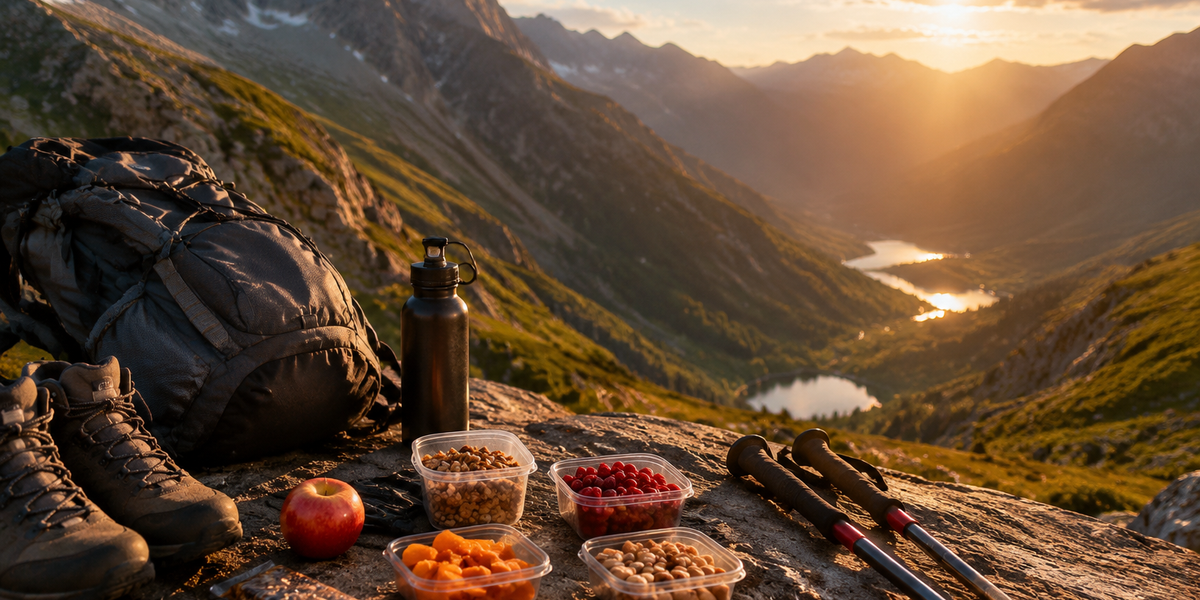
- Mixed nuts and dried fruit (classic GORP)
- Nut butter packets with crackers or tortilla
- Jerky or meat sticks for protein and sodium
- Energy chews or gels for quick carbohydrate hits on steep climbs
- Dark chocolate squares — fat, sugar, and a morale boost in one
On exposed ridgelines and sunny approach trails, sun protection plays directly into your endurance. Overheating and sunburn drain energy fast. A Buff Original UV Headwear worn as a neck gaiter or headband blocks UPF 50+ radiation and wicks sweat away from your face, helping you stay cooler and more comfortable through the high-output middle miles.
What to Eat After a Long Hike
The 30–60 minute window after finishing is your recovery golden hour. Your muscles are primed to absorb nutrients, and what you eat now directly impacts how you feel tomorrow.
Prioritize a 4:1 carbohydrate-to-protein ratio in your first recovery meal. On the trail, that means a hot freeze-dried meal plus a protein bar. Back at the car or camp, chocolate milk, a turkey wrap, or a rice bowl with chicken all deliver the right macronutrient split. Rehydrate aggressively — aim for at least 16–24 oz of water or electrolyte drink in that first hour.
Frequently Asked Questions
How many calories do I need for a long hike?
A 150-pound hiker burns roughly 300–500 calories per hour depending on pack weight, terrain, and elevation gain. A full-day 8-hour hike can demand 2,500–4,000 calories above your basal metabolic rate. Most hikers underestimate this dramatically. Pack more food than you think you need — the weight is almost always worth it.
Is it okay to eat a big meal right before hiking?
Large meals eaten within 60–90 minutes of hard exertion divert blood to your digestive system and can cause cramping, nausea, and sluggishness. Stick to moderate, easily digestible meals 2–3 hours before departure, and save the big post-hike feast for when you are back at camp.
What are the best snacks for preventing the afternoon bonk?
The afternoon bonk is almost always a combination of low blood sugar and dehydration. Combat it with a combination of fast carbs (fruit, dates, energy chews) and slow-burning fat (nuts, nut butter). Pair every snack with at least 4–6 oz of water or an electrolyte drink.
How do I handle nutrition on a multi-day backpacking trip?
For trips over two days, shift your strategy toward caloric density and pack weight. Target 1.5–2 lbs of food per person per day. Freeze-dried meals handle dinners and some breakfasts beautifully. For lunches, build a "no-cook" system around tortillas, nut butter, hard cheese, salami, and energy bars — foods that require zero fuel or cleanup.
Do I need electrolyte supplements, or can I get enough from food?
On hikes under 3 hours in moderate temperatures, food-based sodium (jerky, salted nuts, crackers) is usually sufficient. On longer hikes in heat, or if you are a heavy sweater, dedicated electrolyte tablets or drink mixes make a real performance difference. Look for products with sodium, potassium, and magnesium — not just sugar.
Final Thoughts
Trail nutrition does not need to be complicated, but it does need to be intentional. Eat a solid carbohydrate-forward meal before you start, snack consistently every 60–90 minutes on the trail, and get a carb-plus-protein recovery meal in within the hour after you finish. These three habits alone will transform how you feel on long hikes — more energy on the climbs, sharper focus on exposed ridges, and far less soreness the next morning.
Invest in gear that makes good nutrition easy: a ultralight stove ensures hot meals are never more than 4 minutes away, and quality freeze-dried food means you always have a calorie-dense, great-tasting option waiting in your pack. Nail your nutrition, and the miles will take care of themselves. Now get out there.
Editor's Choice
Mountain House Classic Bucket Freeze-Dried Food — the single best investment for multi-day hikers who want reliable, calorie-dense hot meals without the prep complexity.
MSR PocketRocket 2 Ultralight Backpacking Stove — because hot food is a recovery strategy, and no stove delivers that faster at lower weight for the price.
Buff Original Multifunctional UV Headwear — sun protection directly impacts your endurance; this UPF 50+ neck gaiter is the lightest, most versatile way to stay cool and protected on exposed trail.