Disclosure: As an Amazon Associate, HikePod earns from qualifying purchases at no extra cost to you.
⭐ Our Top Pick
🏆 Best Overall: SOL Emergency Bivvy — weighs just 3.8 oz and reflects 90% of your body heat, making it the essential backup every backcountry hiker should carry.
💰 Best Value: Rab Superlite Shelter 2 — versatile tarp design that serves double duty as emergency backup and ultralight primary shelter for under $150.
Introduction
Every experienced hiker has a moment that teaches them why emergency shelter matters. Maybe it's an unexpected weather turn at 11,000 feet, an injury that forces an unplanned night out, or simply misjudging distance and hitting darkness hours from the trailhead. In those moments, having a lightweight backup shelter in your pack transforms a potential emergency into a manageable inconvenience.
We researched dozens of emergency bivouac options, analyzing manufacturer specifications, verified buyer reviews, and backcountry use cases to identify the shelters that deliver the best balance of weight, packability, and protection. The right emergency shelter isn't about luxury—it's about buying time, maintaining core temperature, and staying dry enough to make good decisions when things go wrong.
This guide covers everything from disposable emergency bivvies that weigh less than a candy bar to reusable ultralight shelters that blur the line between backup and primary gear. Whether you're a minimalist fastpacker or a weekend warrior building out your safety kit, understanding your options helps you make the choice that matches your risk tolerance and pack weight budget. For broader backcountry safety context, see our Hypothermia Recognition and Field Treatment During Hiking: How to Identify and Respond to Cold-Weather Emergencies in 2026 guide.
What to Look For
Weight vs. Protection Trade-off — Emergency shelters span from 3-oz disposable bivvies to 2-lb ultralight tents. Understand what you're optimizing for: a true emergency-only backup should disappear in your pack, while a shelter that might see regular use justifies carrying a few extra ounces for durability and comfort.
Packability and Deployment Speed — When you're cold, exhausted, or injured, complex setup becomes impossible. The best emergency shelters deploy in under two minutes with minimal decision-making. Look for stuff sack sizes smaller than a Nalgene bottle and designs that don't require perfect conditions or extensive practice.
Weatherproofing and Ventilation Balance — Fully sealed emergency bivvies trap heat effectively but create condensation that soaks your sleeping bag within hours. Breathable fabrics cost more but allow multi-night use. Consider your climate: desert hikers prioritize wind protection, while Pacific Northwest backpackers need rain defense.
Reusability and Durability — Disposable aluminized bivvies cost $15-25 and work once or twice before tearing. Reusable bivy sacks with proper fabrics last 50+ nights but cost $200-300. Calculate cost-per-use based on how often you'll actually deploy it versus how long it sits in your pack as insurance.
Attachment and Anchor Points — Emergency shelters without stake loops or guyline points become kites in wind. Even if you're not planning to pitch it perfectly, reinforced corners and tie-out options give you flexibility when terrain or weather demands it. Trekking pole compatibility adds versatility without extra carried weight.
Visibility and Signaling Features — Bright orange or reflective materials serve double duty as both shelter and rescue signal. If you're carrying emergency gear anyway, choose options that make you visible to search and rescue teams or passing hikers.
💡 Pro Tip: Test your emergency shelter setup at home before the first trip. Even simple designs have quirks, and discovering them in your backyard beats learning during a storm at 10,000 feet.
SOL Emergency Bivvy
| Criteria | Score |
|----------|-------|
| Weight/Packability | 10/10 |
| Heat Retention | 8/10 |
| Durability | 5/10 |
| Weather Protection | 7/10 |
The SOL Emergency Bivvy represents the minimum viable emergency shelter—and that's exactly its strength. At 3.8 ounces with a packed size smaller than a soda can, this aluminized polyethylene bag reflects 90% of your body heat back to you while providing a windproof, waterproof barrier between you and the elements. Based on verified buyer reviews, it reliably prevents hypothermia in emergency overnight situations, though condensation becomes significant after 4-6 hours of use.
The bivvy works as a sleeping bag liner or standalone emergency bag, with sealed seams and a drawcord hood that cinches around your face. Buyers consistently report that it creates a noticeably warmer microclimate even in freezing conditions, though the material crinkles loudly with every movement and tears easily on sharp rocks or branches. This is genuinely disposable gear—plan on 1-3 uses maximum before the material develops holes. For the weight and cost, that's acceptable for its intended role as pack insurance you hope never to deploy.
The bright orange exterior makes you visible to rescuers, and the material is tough enough to survive being stuffed in a pack bottom for years without deteriorating. This isn't gear for planned bivouacs or comfortable camping—it's the shelter equivalent of a first aid kit. When every ounce counts and you need something that absolutely will not fail to keep you alive through an unexpected night, the SOL Emergency Bivvy delivers.
✅ Pros:
- Weighs less than a granola bar at 3.8 oz
- Under $20 makes it accessible for every pack
- Reflective material provides measurable warmth in verified use cases
- Compact enough to live permanently in your pack
❌ Cons:
- Single-use or limited reusability before material fails
- Severe condensation buildup makes extended use uncomfortable
- Loud crinkling material disturbs sleep
- No ventilation creates claustrophobic feeling
Outdoor Research Helium Bivy
| Criteria | Score |
|----------|-------|
| Weight/Packability | 8/10 |
| Breathability | 9/10 |
| Durability | 9/10 |
| Weather Protection | 8/10 |
The Outdoor Research Helium Bivy bridges the gap between disposable emergency gear and legitimate ultralight shelter. At 18 ounces for the single-person version, it costs you just over a pound in pack weight while delivering a breathable, waterproof shelter you can deploy dozens of times. The 15D Pertex Shield Diamond Fuse fabric combines a waterproof membrane with enough air permeability to minimize the condensation plague that ruins cheaper bivvies.
This bivy uses a single shock-corded pole to lift the head section away from your face, creating livable space that doesn't feel like a body bag. Buyer reviews emphasize the difference this makes—you can sit up slightly to adjust layers or check gear without fighting collapsed fabric. The zipper runs along the side rather than over your face, making entry and exit significantly less claustrophobic than mummy-style bivvies. Storm flaps over the zipper keep rain out during sideways weather.
Setup takes under three minutes once you've practiced the pole threading, and the bivy stakes out at four corners for stability in wind. The packed size approaches a water bottle, making it reasonable to carry on longer trips where weight matters but you want real reusable shelter as backup. At $200-230, this represents a significant investment compared to disposable options, but the per-use cost drops quickly if you're someone who pushes weather windows or regularly does long solo trips where the comfort of a proven shelter backup matters.
✅ Pros:
- Breathable fabric dramatically reduces condensation compared to emergency bivvies
- Durable enough for 50+ nights of actual use
- Single-pole head section creates livable interior space
- Side zipper provides better ventilation control
❌ Cons:
- 18 oz represents real pack weight for backup-only use
- $200+ price point makes it specialized gear
- Snug fit challenges larger hikers or bulky sleeping bags
- Still requires separate sleeping pad for insulation from ground
Rab Superlite Shelter 2
| Criteria | Score |
|----------|-------|
| Versatility | 9/10 |
| Weather Protection | 7/10 |
| Weight/Capacity Ratio | 8/10 |
| Setup Options | 9/10 |
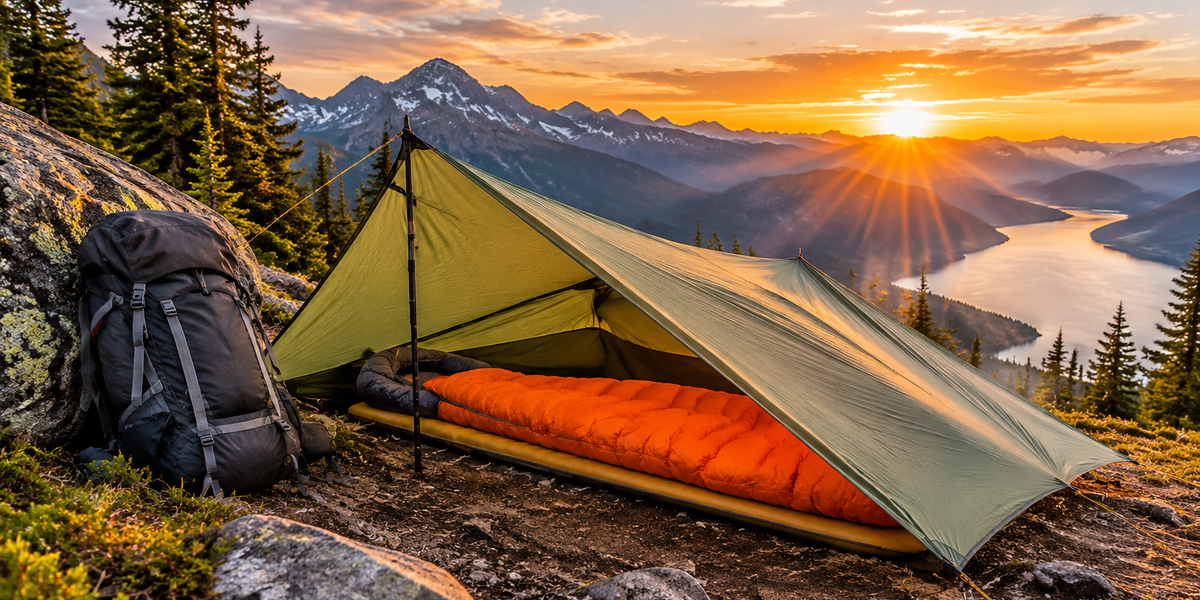
The Rab Superlite Shelter 2 takes a different approach to emergency backup—instead of an enclosed bivy, it's a shaped tarp optimized for fast deployment using trekking poles or available trees. At 13 ounces for a two-person shelter, it delivers impressive coverage per ounce while remaining versatile enough to serve as either emergency gear or your primary ultralight shelter on good-weather trips.
The shelter pitches in an A-frame configuration with one trekking pole at each end, creating a coffin-shaped protected space that fits two people and packs side-by-side. Silnylon fabric with fully taped seams handles rain effectively, though the open-ended design means driving rain can enter from the sides in exposed locations. Buyers report that angling the shelter 20-30 degrees from prevailing wind significantly improves weather protection. Six stake points provide stability, and the guyline system allows you to adjust tension for different terrain.
What makes this shelter compelling as emergency backup is its dual-use potential. Rather than carrying dedicated emergency gear that never gets deployed, you can use the Superlite Shelter as your primary shelter on fair-weather trips, gaining familiarity with its setup and quirks. Then on trips where you're carrying a full tent, the same shelter becomes your backup option at minimal weight penalty. The learning curve is gentle—if you've ever pitched a tarp, the Superlite Shelter makes intuitive sense.
✅ Pros:
- 13 oz shelters two people, excellent weight-to-coverage ratio
- Multiple pitch configurations adapt to different terrain and weather
- Serves double duty as primary ultralight shelter
- Trekking pole setup means no extra poles to carry
❌ Cons:
- Requires trekking poles or trees, limiting deployment locations
- Open ends allow rain entry in exposed sites or high wind
- Needs practice to pitch quickly under stress
- No floor means separate ground sheet required
Ultralight Tents as Emergency Backup
| Criteria | Score |
|----------|-------|
| Complete Protection | 10/10 |
| Comfort | 9/10 |
| Weight Penalty | 6/10 |
| Emergency Deployment | 7/10 |
For hikers who don't want to compromise on weather protection, carrying an ultralight two-person tent as your primary shelter provides the most complete emergency backup option. Modern designs like the Big Agnes Copper Spur HV UL2 weigh just 2 pounds 10 ounces while delivering full weather protection, two doors for easy access, and enough interior space to comfortably wait out a storm.
The Copper Spur sets up freestanding, meaning you can pitch it on rock slabs or hard-packed terrain where staking isn't possible—a significant advantage in genuine emergency situations where you might not have ideal ground conditions. Two doors and vestibules mean you're never trapped, and the vertical sidewalls create livable space that makes extended emergency stays bearable. Based on manufacturer specs and buyer feedback, the tent handles sustained rain and moderate wind without issue, though it's designed as a three-season shelter rather than mountaineering gear.
Alternatively, the MSR Hubba Hubba NX 2 delivers proven rain performance in extreme conditions while packing slightly smaller. At similar weight (3 lbs 4 oz including footprint), it represents a minor pack weight increase compared to bivy options but eliminates all weather-related uncertainty. For hikers who prioritize absolute reliability over minimizing ounces, an ultralight tent provides the most complete emergency shelter solution.
The weight penalty compared to bivvies or tarps is real—you're carrying an extra pound or more. But consider that this gear serves as both primary and backup shelter, eliminating the need for separate emergency options. If you're already carrying a tent, adding a lightweight bivvy for backup makes sense. If you're going ultralight with a tarp system, carrying an ultralight tent instead provides built-in redundancy with minimal additional weight.
✅ Pros:
- Complete weather protection with no compromises
- Freestanding designs work on any terrain
- Familiar setup reduces stress in emergency situations
- Comfortable enough for extended multi-night emergency stops
❌ Cons:
- 2-3 lbs represents significant pack weight for backup role
- $400-550 premium price point
- Overkill if you're already carrying primary shelter
- Longer setup time compared to bivvies in true emergency
Budget Emergency Options
| Criteria | Score |
|----------|-------|
| Value | 9/10 |
| Availability | 8/10 |
| Weight | 6/10 |
| Longevity | 5/10 |
For hikers building their first safety kit or outfitting groups where cost matters more than cutting ounces, budget emergency shelters like disposable space blankets ($3-5) and basic tube tents ($8-12) provide adequate protection at accessible price points. These options weigh 8-16 ounces and pack down smaller than a water bottle, though durability and reusability lag far behind premium options.
Space blankets work as ground covers, emergency wraps, or makeshift shelters when strung between trees, though they tear easily and provide no structural integrity in wind. Tube tents create a simple A-frame shelter but require cord and stakes (usually not included), and the thin polyethylene material rarely survives more than one or two uses. For the cost of one premium bivy, you could outfit an entire hiking group with disposable emergency shelters—a valid trade-off when you're managing group safety on a budget.
The TETON Sports Mountain Ultra Tent represents another budget-friendly approach at $89.99—a full three-season tent that weighs more than ultralight competitors but costs a fraction of premium options. At 5 pounds, it's too heavy for fastpacking or gram-counting trips, but for car camping, group trips, or beginners building their first gear kit, it provides reliable shelter that won't break if something goes wrong. The tent includes aluminum poles, full fly coverage, and adequate vestibule space, delivering genuine weather protection rather than just emergency backup functionality.
✅ Pros:
- Sub-$15 price makes emergency shelters accessible to everyone
- Lightweight enough to include in every pack
- Multiple items for the cost of one premium bivy
- No hesitation to deploy since replacement cost is minimal
❌ Cons:
- Single-use or very limited lifespan
- Material tears easily on rocks, branches, or rough handling
- No breathability creates severe condensation
- Requires improvisation and field skills to deploy effectively
💡 Pro Tip: Keep a disposable emergency bivvy in every pack you own—day pack, running vest, and backcountry kit. At $15-20 and 4 ounces, there's no reason not to have redundant emergency shelter options.
Carrying and Packing Strategies
How you pack emergency shelter affects both accessibility and durability. Store bivvies and emergency shelters in waterproof stuff sacks at the bottom of your pack, where they won't get damaged by sharp items or wet gear. Use bright-colored stuff sacks (orange, yellow, red) so you can locate emergency gear quickly when you're cold and stressed.
For reusable bivvies and ultralight tents, keep them in their original stuff sacks with stake bags attached. This keeps all components together and prevents the shelter from being damaged by pack contents during the approach. Disposable emergency bivvies can live loose at the pack bottom since their plastic packaging protects the material.
When checking emergency shelter before trips, look for holes, delamination, or damaged zippers. Even a small puncture in a bivvy or tent floor compromises weather protection significantly. Repair minor damage with Tenacious Tape or Seam Grip before the trip rather than discovering problems on the mountain. For night navigation if you do deploy emergency shelter, a reliable headlamp like the Black Diamond Spot 400-R provides hands-free illumination during setup and prevents fumbling in darkness.
Consider weight distribution when packing: emergency shelter at the pack bottom creates a stable load, but if you're carrying a full tent plus emergency backup, place the lighter bivvy at the bottom and the tent mid-pack where it's easier to access for planned camping. Never put emergency gear in external pockets or lash points where it could be lost during a scramble or creek crossing.
Site Selection and Deployment
When deploying emergency shelter, prioritize speed and protection over perfect site selection. Look for natural windbreaks (rock outcrops, dense trees, terrain depressions) that reduce exposure without requiring perfect pitching. Avoid obvious hazards: dry riverbeds that could flash flood, avalanche runouts, dead tree limbs overhead, and low spots where cold air pools.
For bivvies, clear rocks and sticks from your sleeping area but don't spend excessive time leveling or improving the site—getting inside and out of the weather takes priority. Use your pack as a pillow and sit on your sleeping pad to insulate from ground cold. If rain is imminent, take 30 seconds to dig a small perimeter trench around the bivvy to prevent water from pooling underneath.
Tarp shelters require more thoughtful deployment: identify two anchor points (trees or trekking poles) 7-9 feet apart, pitch the shelter with the open ends perpendicular to prevailing wind, and stake all guylines even if conditions seem calm—wind can change rapidly at night. If you're deploying a tarp in heavy rain, work quickly but don't rush the initial anchor point setup; a shelter that collapses mid-pitch leaves you wetter than taking an extra minute to get it right.
Tents provide the most deployment flexibility but take longest to set up. If you're injured or hypothermic, consider deploying a bivvy first to stabilize your condition, then setting up the tent once you've regained coordination and decision-making capacity. For navigation context in challenging conditions, our Backcountry Navigation Using Natural Landmarks and Celestial Cues: A Complete Guide for 2026 covers route-finding techniques that might help you reach better shelter locations.
Frequently Asked Questions
How much does emergency shelter really weigh?
Disposable emergency bivvies weigh 3-6 ounces, reusable bivy sacks run 12-20 ounces, ultralight tarps check in at 10-16 ounces, and full ultralight tents weigh 2-3 pounds. For most hikers, carrying 8-12 ounces of dedicated emergency shelter represents reasonable insurance that doesn't significantly impact pack weight or hiking performance.
Can I use an emergency bivvy multiple times?
Aluminized emergency bivvies typically survive 1-3 deployments before developing tears or delamination. Handle them carefully, avoid pitching on sharp rocks or thorny ground, and inspect for damage after each use. Reusable bivy sacks with proper technical fabrics last 50+ nights when maintained correctly. If you're planning to deploy emergency shelter regularly for practice or intentional bivouacs, invest in reusable options rather than repeatedly replacing disposables.
Do I need emergency shelter if I'm already carrying a tent?
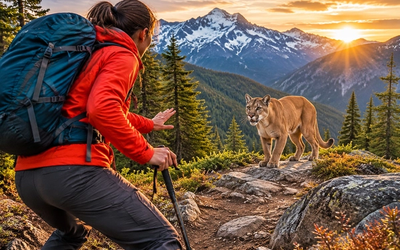
It depends on trip length, remoteness, and risk tolerance. On weekend trips near trailheads, your tent provides adequate emergency shelter. On long solo trips in remote areas, carrying a lightweight bivvy as backup means tent damage or loss doesn't become life-threatening. The weight penalty (8-12 oz) is minimal compared to the safety margin it provides. For dangerous terrain where wildlife encounters are possible, see our Mountain Lion Encounter Safety: How to De-escalate and Stay Safe in 2026 guide for related backcountry safety strategies.
What's the difference between a bivy sack and a sleeping bag cover?
Bivy sacks provide weather protection as standalone shelters—you can sleep in a bivy with just a sleeping bag and pad. Sleeping bag covers add a waterproof layer to your existing sleep system but aren't designed as emergency shelters. Emergency bivvies fall somewhere between: they're waterproof and windproof but typically lack breathability and durability for extended use. If you're choosing backup shelter, prioritize true bivy sacks with waterproof-breathable fabrics over sleeping bag accessories.
How do I practice using emergency shelter without wasting it?
For disposable emergency bivvies, do one full practice deployment in your backyard or local park, then retire that unit and pack a fresh one for actual trips. The hands-on experience is worth the $15-20 cost. For reusable bivvies and tarps, practice regularly—these shelters improve with familiarity. Set them up in different weather conditions and terrain types so deployment becomes automatic rather than stressful. Treat emergency shelter practice like first aid training: regular refreshers ensure skills stay sharp when you actually need them.
Final Thoughts
Emergency shelter transforms backcountry risks from potential disasters into manageable problems. Whether you choose a 4-ounce disposable bivvy that lives permanently in your pack or invest in a reusable shelter system that doubles as ultralight gear, carrying backup protection is fundamental backcountry safety practice that weighs almost nothing compared to the security it provides.
The best emergency shelter is the one you'll actually carry on every trip. For most hikers, that means something in the 8-16 ounce range that packs smaller than a water bottle and costs less than a tank of gas. Match your shelter choice to your typical hiking style: dayhikers and trail runners benefit from disposable bivvies, weekend backpackers should consider reusable bivy sacks or tarps, and long-distance hikers might opt for ultralight tents that serve double duty.
Test your chosen shelter at least once before trusting it in the field, store it where you can find it instantly when stressed or hypothermic, and inspect it seasonally for damage or degradation. Emergency gear fails exactly when you need it most—not because the gear is bad, but because we neglect it until crisis hits. Ten minutes of annual maintenance ensures your backup shelter will perform when weather, injury, or darkness demands it.
Editor's Choice
SOL Emergency Bivvy — At 3.8 ounces and under $20, this is the essential emergency shelter every hiker should carry on every trip, regardless of experience level or primary shelter system.
Outdoor Research Helium Bivy — For solo hikers logging serious backcountry miles, this reusable bivy provides legitimate weather protection at reasonable weight, paying for itself in peace of mind and actual deployment comfort.
Big Agnes Copper Spur HV UL2 — When you want one shelter system that handles both planned camping and emergency situations without compromise, this ultralight tent delivers complete protection at just 2 pounds 10 ounces.