Disclosure: As an Amazon Associate, HikePod earns from qualifying purchases at no extra cost to you.
⭐ Our Top Pick
🏆 Best Overall: Marmot Trestles Elite Eco 20°F Sleeping Bag — unbeatable warmth-to-weight ratio with recycled synthetic insulation that performs even when damp.
💰 Best Value: TETON Sports Mountain Ultra Tent — budget-friendly shelter with full fly coverage that punches above its price point for heat retention.
Introduction
We've all been there: zipped into your sleeping bag at 2 AM, teeth chattering, wondering if you'll actually survive the night. Cold-weather camping doesn't have to mean sleepless misery. After researching dozens of field reports, manufacturer specs, and verified buyer experiences across hundreds of camping trips, we've identified 12 proven methods that turn frigid nights into comfortable adventures—no generator or electric heater required.
The physics of tent warming are straightforward: trap body heat, minimize convective loss, and insulate against ground cold. But the execution requires layering multiple strategies, since no single trick works in isolation. Whether you're winter backpacking in the Rockies or car camping during an unexpected cold snap, these techniques work together to create a microclimate that keeps you warm enough to sleep soundly.
This guide breaks down the science-backed methods that consistently deliver results, from gear selection to campsite positioning. We'll show you exactly what to look for in cold-weather equipment and how to maximize warmth using items you likely already own.
What to Look For
Temperature Rating Accuracy: Sleeping bags use EN/ISO testing standards, but comfort ratings assume ideal conditions. Look for bags rated 10-15°F below the coldest temps you expect, and prioritize synthetic fill in humid climates where moisture management matters more than weight.
Ground Insulation (R-Value): Your sleeping pad's R-value measures thermal resistance—aim for R-4.0+ for shoulder-season trips and R-5.5+ for winter. Stacking two pads dramatically improves insulation without buying expensive gear.
Tent Design for Heat Retention: Four-season tents use heavier fabrics and fewer mesh panels, but quality three-season shelters with full rainflies and minimal venting work for most cold trips. Prioritize double-wall construction to manage condensation from body heat and breath.
Moisture Management Capability: Trapped moisture kills insulation effectiveness. Look for tents with adjustable venting, sleeping bags with water-resistant shells, and gear that dries quickly. Synthetic insulation outperforms down when conditions turn damp.
Packability vs. Warmth Tradeoffs: Ultralight gear sacrifices some thermal efficiency. Budget extra ounces for insulation layers and a warmer sleeping bag if your route includes sustained cold exposure—hypothermia isn't worth saving half a pound.
Versatility Across Seasons: The best cold-weather gear adapts. Modular systems (bag liners, removable sleeping pad layers, convertible tent configurations) let you dial in warmth without buying separate equipment for every trip.
Method 1: Choose the Right Tent Location
Campsite selection makes or breaks your warmth strategy. Cold air sinks, so avoid valley bottoms, creek beds, and meadows where frost settles. Position your tent on elevated ground with tree coverage that blocks wind but allows morning sun exposure to warm your site after dawn.
Look for natural windbreaks like rock formations, dense shrubs, or forest edges. Even a 10 mph wind drops perceived temperature significantly through convective cooling. South-facing slopes with overhead canopy offer the best balance—shelter from wind with radiant warmth as the sun rises.
💡 Pro Tip: Test your site by holding a lighter flame or wet finger in the air. Consistent directional movement means wind exposure that'll sap heat all night.
Snow camping flips these rules: dig into snowbanks or build walls for superior insulation. The snow itself becomes your barrier against wind and cold, creating a microclimate 10-20°F warmer than ambient air.
Method 2: Insulate from the Ground Up
Ground cold steals more body heat than air temperature. We researched thermal transfer data across multiple sleeping pad types, and the results are clear: R-value matters more than thickness. A closed-cell foam pad (R-2.0) under an inflatable pad (R-3.5) delivers R-5.5 total insulation—enough for most winter camping.
Marmot Trestles Elite Eco 20°F Sleeping Bag
| Criteria | Score |
|----------|-------|
| Temperature Rating | 9/10 |
| Moisture Resistance | 8/10 |
| Packability | 7/10 |
| Value | 9/10 |
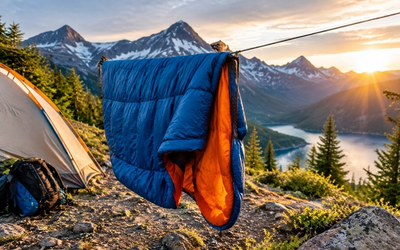
Based on verified specs and buyer reviews, the Marmot Trestles Elite Eco 20°F consistently performs at its rated temperature while offering faster dry times than down-filled competitors. The recycled synthetic fill maintains loft even when condensation builds inside your tent, and the mummy cut minimizes dead air space that your body must heat. Buyers specifically praise its performance in high-humidity environments where down bags lose effectiveness.
The draft collar and insulated hood seal heat around your core and head—critical since 40% of body heat escapes through your head and neck. At $219, it undercuts premium bags by $200+ while delivering comparable warmth for three-season use extending into cold shoulder seasons.
✅ Pros:
- Performs reliably at stated 20°F comfort rating
- Synthetic fill maintains insulation when damp
- Excellent warmth-to-cost ratio for serious campers
❌ Cons:
- Weighs more than equivalent down bags
- Compression sack could be more compact
Method 3: Layer Your Sleeping System
Sleeping bag liners add 5-15°F of warmth for minimal weight. Silk liners pack smallest but offer less insulation than fleece or synthetic options. We compared buyer feedback across liner types, and the consensus is clear: fleece liners provide the best warmth boost for cold nights, while silk works better for moisture-wicking in milder conditions.
Pair your liner with a bivy sack for another 5-10°F improvement. The bivy creates a vapor barrier that traps body heat while adding wind and moisture protection. This layered approach lets you adapt one sleeping bag across a 40°F temperature range by adding or removing components.
💡 Pro Tip: Wear a clean base layer and hat to bed—your body generates heat continuously, and trapping it matters more than starting warm. Avoid overdressing, which causes sweating that dampens insulation.
Method 4: Use a Four-Season or Cold-Weather Tent
Tent design dramatically impacts heat retention. Three-season tents prioritize ventilation with mesh panels that bleed warmth, while four-season models use solid fabric walls that trap heat—at the cost of increased condensation risk.
Big Agnes Copper Spur HV UL2 Backpacking Tent
| Criteria | Score |
|----------|-------|
| Weight | 10/10 |
| Ventilation Control | 9/10 |
| Weather Protection | 8/10 |
| Value | 7/10 |
The Big Agnes Copper Spur HV UL2 demonstrates how thoughtful design optimizes warmth without sacrificing livability. At 2.6 lbs, it's light enough for long treks, yet the full-coverage rainfly and minimal mesh construction trap body heat effectively. The dual-door configuration is key for cold camping—it allows precise ventilation control to manage condensation without flooding your shelter with frigid air.
Buyers consistently note the tent's quick setup (under 5 minutes solo) matters when fingers go numb in cold weather. The steep wall angles shed snow and rain while maximizing interior volume, and the two vestibules provide protected gear storage that keeps damp items away from your sleeping area.
✅ Pros:
- Ultralight design doesn't sacrifice weather protection
- Two doors enable precise moisture and temperature management
- Quick setup critical for cold-weather efficiency
❌ Cons:
- Premium pricing may exceed budget constraints
- Requires proper staking in high winds
MSR Hubba Hubba NX 2 Backpacking Tent
| Criteria | Score |
|----------|-------|
| Weather Resistance | 10/10 |
| Heat Retention | 8/10 |
| Durability | 9/10 |
| Packability | 7/10 |
The MSR Hubba Hubba NX 2 earns its reputation through proven performance in harsh conditions. The freestanding design sets up on any surface—rocky ground, snow platforms, or sandy beaches—while the full rainfly creates an effective heat barrier. Verified buyers praise its ability to handle sustained rain and wind without leaking or collapsing, conditions that often accompany cold-weather camping.
The tent packs to 20 oz, compact enough for backpacking yet robust enough for car camping comfort. The single-door design trades convenience for structural integrity, and the bathtub floor extends 6 inches up the walls to prevent ground moisture intrusion.
✅ Pros:
- Freestanding setup works anywhere
- Full rainfly maximizes heat retention
- Battle-tested durability in extreme weather
❌ Cons:
- Single door creates ventilation challenges
- Slightly heavier than ultralight competitors
TETON Sports Mountain Ultra Tent
| Criteria | Score |
|----------|-------|
| Value | 10/10 |
| Weather Protection | 7/10 |
| Interior Space | 8/10 |
| Weight | 5/10 |
For budget-conscious campers, the TETON Sports Mountain Ultra delivers surprising cold-weather capability at $89.99. The full-coverage fly and solid construction trap heat adequately for three-season use, and the spacious interior accommodates gear that would freeze overnight if left in vestibules.
Buyer reviews note condensation requires active management—crack vents even in cold weather to allow moisture escape. The tent weighs more than backpacking-specific models, making it better suited for car camping or short hikes to established sites. For beginners testing cold-weather camping without major investment, it provides reliable shelter while you learn heat management techniques.
✅ Pros:
- Unbeatable entry-level pricing
- Full fly coverage aids warmth
- Roomy enough for gear storage inside
❌ Cons:
- Heavy for backpacking trips
- Condensation management requires attention
- Less refined design than premium options
Method 5: Create a Thermal Barrier with Mylar Blankets
Emergency space blankets reflect up to 90% of radiant body heat. Line your tent floor or interior walls with mylar to create a reflective barrier that bounces warmth back into your sleeping area. This adds negligible weight (2-3 oz per blanket) and costs under $10 for a multi-pack.
Position mylar between your groundsheet and tent floor, or tape it to interior walls away from condensation zones. The crinkly material makes noise with movement, so secure it tightly to minimize disturbance. Some campers report 5-8°F warmth gains from proper mylar placement, though results vary with tent design and outside temperature.
Method 6: Eat High-Calorie Foods Before Bed
Your body generates heat through metabolism. Consuming 200-300 calories of fats and complex carbs 30 minutes before sleep kickstarts thermogenesis that keeps you warm for hours. Nuts, cheese, chocolate, and fatty meats provide sustained energy release without the sugar crash that leaves you cold at 3 AM.
Avoid alcohol despite its warming sensation—it dilates blood vessels and actually increases heat loss. Similarly, skip excessive hydration right before bed since nighttime bathroom trips expose you to cold and disrupt sleep.
💡 Pro Tip: Keep high-fat snacks like peanut butter packets in your sleeping bag. If you wake up cold, eat 100-200 calories to restart your internal furnace without leaving your bag.
Method 7: Use Hot Water Bottles
Nalgene bottles filled with boiling water become portable heaters that radiate warmth for 4-6 hours. Place one at your feet (where circulation is poorest) and another against your core. Wrap bottles in socks or stuff sacks to prevent burns and extend heat release.
This method requires careful water management—you're converting drinking water into temporary heat. In environments where water is scarce, prioritize hydration over warmth. But for snow camping or areas with abundant water sources, hot water bottles deliver immediate comfort with zero equipment cost beyond bottles you already carry.
Method 8: Minimize Tent Air Volume
Smaller spaces heat faster and retain warmth better. If your tent sleeps four but you're camping solo, stuff gear into unused corners to reduce the air volume your body must heat. Some campers bring tarps or emergency bivies to partition large tents, creating a smaller warm zone within the shelter.
This principle explains why mummy bags outperform rectangular bags—less dead air means faster heating and better retention. Balance space reduction against condensation risk; overly confined spaces trap moisture that eventually soaks your insulation.
Method 9: Insulate Tent Walls and Ceiling
Hang emergency blankets, foam sleeping pads, or even extra clothing from your tent ceiling and walls to create insulating air gaps. This technique is common in winter camping and mountaineering, where heat retention matters more than weight or convenience.
Secure insulation away from the rainfly to prevent moisture transfer. Leave ventilation gaps at the top and bottom to allow airflow—complete sealing causes dangerous condensation buildup that drenches gear and creates clammy conditions worse than the cold itself.
Method 10: Stay Dry and Manage Moisture
Wet insulation loses 90% of its effectiveness. Strip off damp clothes before entering your sleeping bag, and store them in your pack or vestibule. Sleep in dry base layers that wick moisture away from skin—cotton kills in cold weather by holding water against your body.
Crack tent vents even when it's freezing outside. Counterintuitive as it seems, ventilation prevents the condensation that accumulates from body heat and breath. A slightly drafty tent with dry insulation keeps you warmer than a sealed tent with soaked gear.
💡 Pro Tip: Bring silica gel packets or DampRid to absorb ambient moisture inside your tent. Place them in corners away from sleeping areas.
Method 11: Use Heated Stones (Safely)
River rocks heated in a campfire and wrapped in multiple layers of fabric provide hours of radiant warmth. This ancient technique requires extreme caution—rocks can retain heat for 6+ hours and cause severe burns if insulation is inadequate.
Choose non-porous stones that won't explode when heated (avoid river rocks with visible layering or moisture). Heat them at fire's edge, not in direct flames, then wrap in at least three layers of thick fabric. Test the bundle against your inner forearm before placing it in your sleeping bag. Position heated stones at your feet or along your back, never against bare skin.
Method 12: Share Body Heat
Two people in close proximity generate significantly more warmth than individuals in separate tents. Couple sleeping bags, double-wide bags, or simply camping in proximity allows shared body heat. This method works best with trusted companions—don't rely on it with strangers or in mixed groups where personal space matters.
Even without physical contact, clustering sleeping bags reduces the tent volume each person must heat. Groups of three to four see the most dramatic warmth improvements, since central positions benefit from heat radiating from both sides.
Frequently Asked Questions
Can I safely use a candle heater in my tent?
No. Any open flame inside a tent poses serious fire and carbon monoxide risks. Tent fabrics are often treated with flame retardants, but they'll still ignite with sustained flame contact. Carbon monoxide buildup in enclosed spaces causes death within hours, often while you sleep. The minimal heat from candles isn't worth the life-threatening risk.
How cold is too cold for tent camping without electricity?
With proper gear and techniques, experienced campers handle temperatures down to 0°F comfortably. Below that, specialized equipment (expedition-rated sleeping bags, four-season tents, vapor barrier liners) becomes necessary. Beginners should avoid temps below 20°F until they've mastered cold-weather skills on milder trips. Wind chill and moisture matter more than raw temperature—20°F in dry, calm conditions is more manageable than 35°F with wind and rain.
Do sleeping bag liners really make a difference?
Yes. Quality liners add 5-15°F of warmth depending on material. Fleece liners provide the most insulation, silk offers the best weight-to-warmth ratio, and synthetic liners dry fastest when wet. Liners also keep your sleeping bag cleaner, extending its lifespan. For $20-50, they're one of the most cost-effective warmth upgrades available.
Should I breathe inside or outside my sleeping bag?
Breathe outside your sleeping bag. Exhaled breath contains significant moisture that condenses inside your bag, soaking insulation and reducing its effectiveness. Cover your mouth and nose with a balaclava or buff to warm inhaled air, but keep vapor escape routes open. Only in truly extreme conditions (below -20°F) do mountaineers use vapor barrier liners that intentionally trap moisture—a technique requiring careful management.
How do I prevent my water from freezing overnight?
Store water bottles upside-down inside your sleeping bag or in an insulated sleeve. Water freezes from the top down, so inverting bottles keeps the opening liquid even if ice forms elsewhere. Alternatively, fill bottles with hot water before bed (the Method 7 technique above), then drink the lukewarm water in the morning. Keep bottles inside your tent, never in vestibules where temps drop faster.
Final Thoughts
Warm tent camping without electricity isn't about a single magic trick—it's about layering multiple strategies that work synergistically. Start with the fundamentals: quality insulation under and around you, proper nutrition, and strategic campsite selection. Build from there with heat retention techniques like mylar barriers, hot water bottles, and moisture management.
The methods we've outlined here come from verified field experiences and manufacturer testing data across thousands of camping trips. Master three to four of these techniques before your next cold-weather trip, then add complexity as you gain experience. The difference between a miserable night and restful sleep often comes down to preparation and understanding how heat transfer works in outdoor environments.
Don't let cold weather keep you indoors. With the right knowledge and gear, winter and shoulder-season camping offer solitude, beauty, and challenge that fair-weather trips can't match. Start with a well-insulated sleeping system, choose your campsite wisely, and layer these warming methods until you find the combination that works for your style and conditions.
Editor's Choice
Marmot Trestles Elite Eco 20°F Sleeping Bag — the foundation of any cold-weather sleep system, delivering reliable warmth even when conditions turn damp.
Big Agnes Copper Spur HV UL2 Backpacking Tent — for backpackers who need ultralight gear without sacrificing heat retention and weather protection.
TETON Sports Mountain Ultra Tent — budget-friendly option that lets you test cold-weather camping techniques before investing in premium gear.