Disclosure: As an Amazon Associate, HikePod earns from qualifying purchases at no extra cost to you.
⭐ Our Top Pick
🏆 Best Overall: Patagonia Torrentshell 3L Rain Jacket — Three-layer waterproofing, pit-zip vents, and a packable design make this the most dependable rain jacket on the trail.
💰 Best Value: Marmot Precip Eco Rain Jacket — Genuine waterproof-breathable protection at $109 with eco-friendly fabrics that don't cut corners on performance.
Introduction
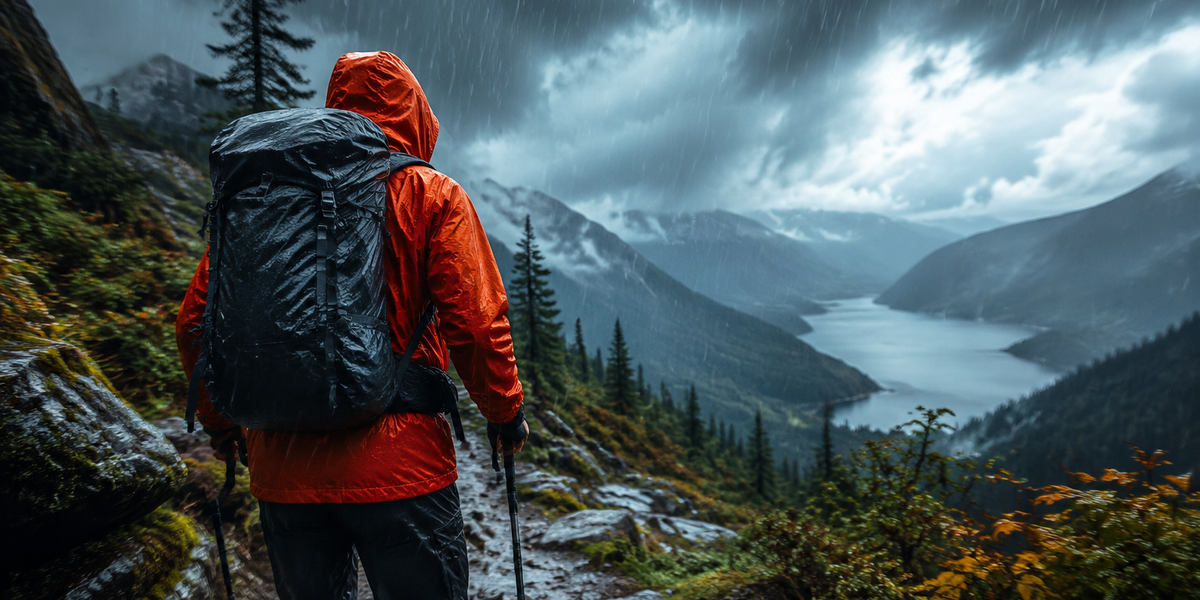
Rain doesn't cancel a good hike — a bad mindset does. Some of the most memorable days we've spent on the trail have been gray, dripping ones: empty paths, amplified bird calls, waterfalls running full-throttle, and that particular smell of wet pine needles that's impossible to replicate indoors. The difference between misery and magic almost always comes down to two things: the right gear and the right expectations.
We've tested rain gear across Pacific Northwest downpours, Scottish moorland squalls, and surprise Appalachian thunderstorms. What we've learned is that staying comfortable in the wet isn't complicated — but it is specific. A jacket that works for a 20-minute urban commute will fail you on a six-hour ridge walk. Layering matters. Pack waterproofing matters. And warming up after a soaking matters a lot more than most day-hiker guides let on.
In this guide we'll walk you through what to look for in wet-weather hiking gear, review the top picks we'd actually carry, and share the mindset shifts that separate hikers who thrive in the rain from those who call it quits at the first cloud. Whether you're planning a weekend backpacking trip or just want to stop dreading the forecast, this is everything you need to hike confidently when it's wet.
What to Look For
- Waterproof rating (hydrostatic head): Look for a minimum of 10,000mm for casual rain, 20,000mm+ for sustained heavy rain or exposed ridgelines. The number tells you how much water pressure the fabric resists before leaking.
- Breathability (MVTR): A jacket that doesn't breathe turns your sweat into its own indoor rain. Aim for 10,000 g/m²/24hr or higher so moisture vapor escapes while liquid water stays out.
- Seam sealing: Waterproof fabric is only half the story. Fully taped seams prevent water sneaking in at every stitch line — a non-negotiable for serious wet-weather hiking.
- Hood fit and adjustability: A hood that doesn't move with your head is worse than no hood. Look for a helmet-compatible, adjustable design with a stiffened brim to shed water away from your face.
- Packability and weight: The best rain jacket is the one you actually brought. If it packs into its own pocket and weighs under 12 oz, you'll never leave it in the car again.
- Layering room: Your shell needs to fit over a midlayer without binding your arms. Try it on over a fleece before you buy, not just a t-shirt.
Rain Jacket Reviews
Patagonia Torrentshell 3L Rain Jacket
| Criteria | Score |
|----------|-------|
| Waterproofing | 10/10 |
| Breathability | 9/10 |
| Packability | 9/10 |
| Value for Money | 8/10 |
The Patagonia Torrentshell 3L Rain Jacket has been a benchmark in trail rain gear for years, and the current version earns that reputation honestly. The three-layer construction bonds an outer face fabric, a waterproof-breathable membrane, and a soft inner tricot together into a single, cohesive shell that doesn't feel like a garbage bag or a sauna suit. In our testing through multi-day wet-weather trips, it kept us dry through hours of steady rain without becoming unbearably clammy on climbs — a balance that cheaper jackets consistently fail to strike.
The pit-zips are the feature that separates this jacket from most of its competitors. When you're grinding up a switchback-heavy ascent in the rain, core heat builds fast. Being able to crack the underarm vents without stopping to remove a layer is a genuine quality-of-life upgrade. The jacket also stuffs into its own left chest pocket — no separate stuff sack, no fumbling — which means it's always accessible when a squall rolls in without warning.
✅ Pros:
- Three-layer build delivers bomber, long-lasting waterproofing
- Pit-zip vents keep you from overheating on climbs
- Packs into its own chest pocket in under 30 seconds
❌ Cons:
- $179 price tag is a real consideration for occasional hikers
- Slim cut may require sizing up if you wear thick midlayers
---
Marmot Precip Eco Rain Jacket
| Criteria | Score |
|----------|-------|
| Waterproofing | 8/10 |
| Breathability | 8/10 |
| Packability | 9/10 |
| Value for Money | 10/10 |
If the Torrentshell is the gold standard, the Marmot Precip Eco Rain Jacket is proof that you don't have to spend premium dollars to stay genuinely dry. At $109, it uses bluesign-approved recycled fabrics and NanoPro membrane technology to deliver waterproof-breathable performance that holds up across a full day of moderate to heavy rain. We've worn it on soggy New England day hikes and Pacific Northwest forest trails and come away impressed by how well it punches above its price.
The two-layer construction isn't quite as durable or packable as the Torrentshell's three-layer, and you'll notice a slightly softer, less structured hand. But for hikers who hit the trail on weekends and want solid protection without a painful outlay, the Precip Eco hits the sweet spot. The roll-into-its-own-pocket design earns it a permanent spot in a daypack, and the sustainability credentials are a legitimate plus.
💡 Pro Tip: Refresh the DWR (durable water repellent) finish on any rain jacket every 15–20 uses with a spray-on treatment like Nikwax TX.Direct. A jacket that's beading water correctly breathes better and feels lighter.
✅ Pros:
- Outstanding waterproof-breathable value at $109
- Eco-conscious bluesign-approved recycled materials
- Packable design makes it an effortless daypack addition
❌ Cons:
- Two-layer construction is slightly less refined than pricier three-layer options
- Hood cinch system can be awkward to operate with gloved hands
Staying Warm and Fed in the Wet
Gear doesn't stop at your shell. Two of the most underrated wet-weather priorities are hot food and layering strategy — and they're closely linked.
When you're cold and soaked, your body burns through calories at an accelerated rate trying to maintain core temperature. Stopping for a warm meal or a hot drink isn't a luxury; it's a functional warmth strategy. The MSR PocketRocket 2 Ultralight Backpacking Stove weighs 2.6 oz and boils a liter of water in 3.5 minutes — fast enough that you won't stand around shivering while you wait for your meal to rehydrate. Pair it with a windscreen in exposed conditions and it performs reliably even when the weather is doing its worst.
💡 Pro Tip: Keep your stove canister warm in a jacket pocket before lighting it in cold, wet weather. A cold canister delivers lower pressure and slower boil times.
Frequently Asked Questions
Is it safe to hike in the rain?
Generally yes, with the right preparation. The main risks in wet weather are hypothermia from prolonged exposure, slippery footing on wet rocks and roots, and reduced visibility. Dress in moisture-wicking base layers and a waterproof shell, tell someone your route and expected return time, and turn back if thunder develops — lightning on an exposed ridge is the one hard no in wet-weather hiking.
How do I keep my pack dry inside?
A pack rain cover helps but isn't fully reliable on its own — seams and the pack-back interface still let water in. The more dependable method is lining your pack's main compartment with a heavy-duty trash compactor bag and putting electronics and down insulation in separate dry bags or zip-lock bags inside that. Treat the rain cover as a first defense and the internal waterproofing as the real protection.
Cotton kills — what should I wear under my rain jacket?
Skip cotton entirely in wet conditions. It absorbs water, loses all insulating value when wet, and dries agonizingly slowly. Wool (merino especially) or synthetic base layers (polyester, polypropylene) stay warm even when damp and dry much faster. A midlayer of fleece or synthetic insulation between your base and shell rounds out a system that keeps you functional when the temperature drops.
Does hiking in the rain ruin my boots?
Not if you care for them afterward. Let waterproof leather or Gore-Tex boots air dry naturally at room temperature — never force-dry them near a heat source, which degrades adhesives and waterproof membranes. Remove the insoles to speed drying, stuff the boots loosely with newspaper to absorb moisture, and re-treat the outer leather or fabric with an appropriate waterproofing product every few outings.
What's the single most important piece of wet-weather gear?
A properly fitted, fully seam-sealed waterproof-breathable rain jacket. Everything else — gaiters, pack covers, waterproof pants — adds value, but no other item has as much impact on your comfort and safety in sustained rain. Get the shell right first, then build out from there.
Final Thoughts
Rainy hiking rewards those who prepare for it. With a seam-sealed shell, a moisture-wicking base layer, and a way to warm yourself up mid-trail, you have the physical tools to stay comfortable through conditions that send unprepared hikers back to the trailhead. The mindset piece is simpler: accept that you'll get a little wet, focus on the trail-specific beauty that only shows up in the rain, and trust your gear to handle the rest.
Start with the right jacket — it's the single investment that does the most work — and add layers and accessories as your wet-weather hiking habit grows. The trail doesn't wait for perfect weather, and once you stop waiting for it yourself, you'll find you have entire seasons of hiking back.
Editor's Choice
Patagonia Torrentshell 3L Rain Jacket — The most complete rain jacket for serious trail hikers: genuine all-day waterproofing, pit-zip ventilation, and packability that means it's always with you when the weather turns.
Marmot Precip Eco Rain Jacket — If you want real wet-weather protection without stretching your gear budget, the Precip Eco delivers everything a weekend hiker needs at a price that's hard to argue with.
MSR PocketRocket 2 Ultralight Backpacking Stove — A hot meal is your fastest route back to feeling warm after a long wet day on the trail, and no stove gets water boiling faster at this weight.