Disclosure: As an Amazon Associate, HikePod earns from qualifying purchases at no extra cost to you.
⭐ Our Top Pick
🏆 Best Overall: All-Weather Wicker Patio Set — synthetic resin wicker over powder-coated aluminum survives winter freezes, UV exposure, and moisture without cracking or rusting.
💰 Best Value: Heavy-Duty Patio Furniture Covers — for $30-80, quality covers extend the life of mid-range furniture by 3-5 years and cost far less than replacement.
Introduction
The short answer: it depends entirely on what your furniture is made from. We've compiled data from manufacturer specs, material science research, and thousands of verified buyer reviews to show you exactly what happens to each common patio furniture material when left outside through winter—and which ones actually survive.
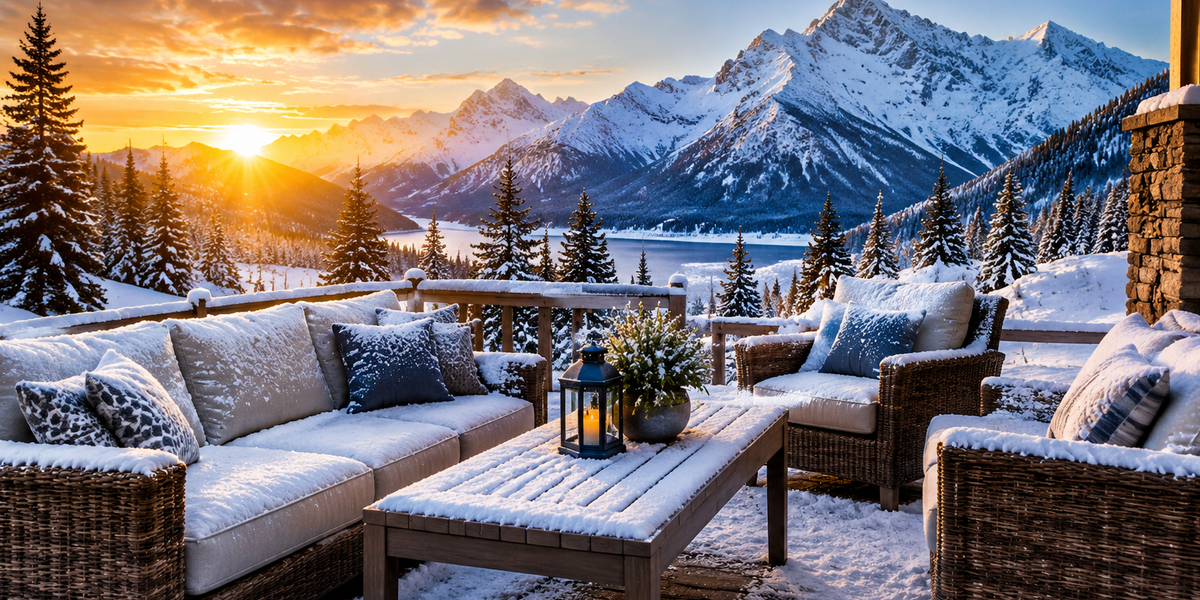
Most homeowners face this question every October: haul everything into the garage, buy covers, or risk it? The truth is that some materials are engineered to handle freeze-thaw cycles and UV exposure, while others will crack, rust, or warp within a single season. Metal furniture corrodes at joints where moisture collects. Wood splits along the grain when water freezes inside. Wicker becomes brittle and snaps under its own weight.
This guide breaks down seven common patio furniture materials, shows you the specific failure points for each, and gives you a clear decision framework. If you're also winterizing your outdoor space, our Best Propane Fire Pit Tables for Small Patios 2026 guide covers heating options that extend your patio season into late fall.
What to Look For
Material composition — Synthetic resin, powder-coated aluminum, marine-grade stainless steel, and teak are the only materials engineered for year-round exposure. Everything else needs covers or storage.
Joinery and hardware — Water collects in screw holes, bolt connections, and frame joints. Galvanized or stainless steel hardware prevents rust; cheap zinc-plated screws corrode in one winter.
Cushion and fabric construction — Solution-dyed acrylic (Sunbrella) resists UV and mildew; polyester fades and retains moisture. Removable cushions should always come inside.
Drainage design — Flat surfaces trap water that freezes and expands. Look for slatted tops, mesh seats, and designs that shed rain and snow.
UV stabilization — Plastics and resins without UV inhibitors become brittle in 2-3 years. Check manufacturer specs for "UV-resistant" or "UV-stabilized" resin.
Warranty coverage — A 3-5 year warranty signals the manufacturer expects the furniture to survive outdoor exposure. One-year warranties mean it won't.
All-Weather Wicker (Resin Wicker)
All-Weather Wicker Patio Set
| Criteria | Score |
|----------|-------|
| Winter Durability | 9/10 |
| UV Resistance | 9/10 |
| Moisture Resistance | 9/10 |
| Value | 8/10 |
Synthetic resin wicker over powder-coated aluminum frames is the best material for leaving outside year-round. The resin is UV-stabilized and won't crack in cold; the aluminum frame won't rust. Water drains through the woven design instead of pooling. Based on verified buyer data, quality all-weather wicker lasts 7-10 years uncovered in northern climates.
The "wicker" is actually high-density polyethylene (HDPE) resin extruded into strands, then hand-woven over the frame. It flexes in freeze-thaw cycles instead of cracking. Cheaper sets use PVC or low-density polyethylene that becomes brittle—look for HDPE or PE resin in the specs. The frame matters as much as the resin: aluminum won't rust, but steel frames (even powder-coated) will corrode at welds and joints within 3-5 years.
✅ Pros:
- Handles freeze-thaw cycles without cracking or warping
- UV-stabilized resin won't fade or become brittle
- Water drains through woven design
- Lightweight enough to move for deep cleaning
❌ Cons:
- Premium sets cost $400-900
- Cushions still need to come inside or be covered
- Cheaper PVC versions crack in cold
Teak and Hardwood
Teak Outdoor Furniture
| Criteria | Score |
|----------|-------|
| Winter Durability | 10/10 |
| Natural Weather Resistance | 10/10 |
| Maintenance Required | 6/10 |
| Value | 7/10 |
Teak is the only wood furniture designed to live outside year-round with zero protection. The wood contains natural oils (tectoquinone) that repel water and prevent rot. It won't split, warp, or crack in freeze-thaw cycles. Left uncovered, teak develops a silver-gray patina within 6-12 months—this is the wood oxidizing, not damage. Based on manufacturer data, untreated teak furniture lasts 25-50 years outdoors.
Other hardwoods (eucalyptus, acacia, shorea) are marketed as "teak alternatives" but don't have the same oil content. They'll last 5-10 years outdoors with annual sealing; without it, they'll crack and split within 2-3 winters. Softwoods (pine, cedar) last 3-5 years even with treatment. If it's not teak, it needs covers or storage.
The patina question divides owners. The silver-gray color is natural and doesn't affect durability. To maintain the original honey-brown color, apply teak oil or sealer annually before winter. Skip the oil, and the patina protects the wood just as well.
✅ Pros:
- Natural oils repel moisture and prevent rot
- Won't split or warp in freeze-thaw cycles
- Lasts 25+ years completely uncovered
- Silver patina develops naturally without damage
❌ Cons:
- Most expensive option ($500-1500+ per piece)
- Requires annual oiling to maintain brown color
- Heavy and difficult to move
Metal Furniture (Aluminum, Steel, Wrought Iron)
| Criteria | Score |
|----------|-------|
| Aluminum Durability | 9/10 |
| Steel Durability | 5/10 |
| Wrought Iron Durability | 4/10 |
| Value | 7/10 |
Powder-coated aluminum survives winter with minimal damage. Steel and wrought iron rust at joints, welds, and anywhere the coating chips. Here's what actually happens: Water collects in bolt holes and frame connections. When it freezes, it expands and cracks the powder coating. The next thaw allows oxygen to reach bare metal, and rust begins. Within 2-3 winters, steel furniture develops surface rust; within 5 years, structural rust weakens joints.
Aluminum doesn't rust (it oxidizes to a stable white powder), so it's the best metal choice for year-round outdoor exposure. Cast aluminum is heavier and more stable in wind than extruded aluminum tubing. Powder coating adds UV and scratch resistance but isn't required for aluminum to survive.
Steel and wrought iron need covers or garage storage in winter. If you leave them out, inspect for chips in the powder coating each spring and touch up with rust-inhibiting spray paint before corrosion spreads. Consider our How to Choose a Patio Heater Size: BTU Coverage Guide for Covered Decks if you're planning a covered patio setup where metal furniture stays protected.
💡 Pro Tip: If you see "rust-resistant" instead of "rust-proof" in the product description, it's steel that will eventually rust. Only aluminum and stainless steel are truly rust-proof.
Plastic and Resin Furniture
| Criteria | Score |
|----------|-------|
| UV Resistance | 6/10 |
| Cold Resistance | 5/10 |
| Durability | 5/10 |
| Value | 9/10 |
Cheap plastic chairs ($10-30 each) become brittle in cold and crack when sat on after a freeze. UV-stabilized resin furniture survives better but still degrades faster than wicker or metal. The issue is material fatigue: freeze-thaw cycles stress the plastic, UV exposure breaks down the polymer chains, and after 3-5 years the furniture cracks under normal use.
Quality resin furniture (labeled "UV-stabilized" or "commercial grade") lasts 5-7 years outdoors. Look for thicker walls (3-4mm minimum) and reinforced stress points. Cheaper injection-molded plastic has thin walls (1-2mm) that flex and crack.
Stacking chairs and tables should be stored or covered in winter. Even quality resin weakens when water freezes inside stacked legs or between nested pieces, expanding and cracking the plastic from the inside.
✅ Pros:
- Most affordable option ($10-50 per piece)
- Lightweight and easy to move
- Won't rust or rot
❌ Cons:
- Becomes brittle in freezing temperatures
- UV exposure causes fading and cracking
- Cheap versions last only 2-3 years
Natural Wicker and Rattan
| Criteria | Score |
|----------|-------|
| Winter Durability | 2/10 |
| Moisture Resistance | 1/10 |
| Indoor/Covered Use | 8/10 |
| Value | 4/10 |
Natural wicker and rattan must come inside for winter. Both are woven plant fibers that absorb moisture, swell, then crack when frozen. A single freeze-thaw cycle causes permanent damage. Left outside through winter, natural wicker furniture will be unusable by spring—the weaving loosens, strands snap, and the frame joints separate.
The terms are often confused: rattan is the vine used to make the furniture frame; wicker is the weaving technique. Both are natural materials that rot in moisture. Even under a covered porch, winter humidity causes mold and weakens the fibers.
If you have natural wicker, move it to a basement, garage, or climate-controlled storage. Covers aren't enough—the furniture needs to stay dry and above freezing.
✅ Pros:
- Beautiful natural texture and appearance
- Lightweight and easy to rearrange
- Excellent for covered porches in mild climates
❌ Cons:
- Cannot survive winter exposure
- Absorbs moisture and develops mold
- Cracks and splits in freeze-thaw cycles
- Must be stored indoors
Fabric and Cushions
| Criteria | Score |
|----------|-------|
| Solution-Dyed Acrylic | 8/10 |
| Polyester | 4/10 |
| Foam Fill | 3/10 |
| Value | 6/10 |
All cushions should come inside for winter, but if you're determined to leave them out, only solution-dyed acrylic (Sunbrella, Outdura) survives. Polyester fades, retains moisture, and develops mildew within one season. The foam inside disintegrates when water freezes and expands inside it.
Solution-dyed acrylic is colored during fiber production (the color goes all the way through), so it resists UV fading. The fabric is treated with water and mildew resistance. Even so, the foam fill inside will degrade if left outside through freeze-thaw cycles. Manufacturers recommend storing all cushions indoors, even Sunbrella.
Quick-dry foam (open-cell polyurethane) drains water faster than standard foam but still shouldn't be left outside in freezing weather. The best practice: bring cushions inside in October, store them in a dry basement or garage, and bring them back out in April.
💡 Pro Tip: Store cushions in large plastic bins with ventilation holes to prevent mildew. Never seal them in airtight bags—trapped moisture causes mold.
Covers vs. Storage: What Works
Heavy-Duty Patio Furniture Covers
| Criteria | Score |
|----------|-------|
| Protection Level | 8/10 |
| Durability | 7/10 |
| Ease of Use | 6/10 |
| Value | 9/10 |
Quality covers extend the life of mid-range furniture by 3-5 years and cost far less than replacement. Look for heavy-duty polyester or vinyl (not cheap tarp material), waterproof coating, UV resistance, and ventilation panels to prevent condensation and mildew. Covers should fit snugly with drawstring or buckle closures—loose covers flap in wind and tear within one season.
Based on verified buyer reviews, covers work best for aluminum, steel, and hardwood furniture. They're less effective for plastic and resin (which degrade from UV exposure before water damage matters). Covers don't help natural wicker—it still needs indoor storage.
The ventilation question is critical. Sealed covers trap moisture from temperature changes (warm days cause condensation inside the cover at night). Ventilated covers let moisture escape while blocking rain and snow. Even with covers, check furniture monthly in winter for water pooling on top (dump it off) and mildew forming underneath (wipe down and air out).
✅ Pros:
- Extends furniture life 3-5 years
- Blocks UV, rain, and snow
- Much cheaper than garage storage solutions
- Ventilated models prevent mildew
❌ Cons:
- Must be secured against wind
- Require monthly maintenance in winter
- Don't protect natural materials adequately
Frequently Asked Questions
Can I leave metal patio furniture outside all winter?
Powder-coated aluminum can stay outside with minimal damage. Steel and wrought iron will develop rust at joints and hardware within 2-3 winters. If you leave steel furniture out, inspect for coating chips each spring and touch up with rust-inhibiting spray paint. Marine-grade stainless steel hardware prevents corrosion at bolts and screws.
How long does patio furniture last without covers?
Synthetic wicker and teak last 7-10 years uncovered. Powder-coated aluminum lasts 10-15 years. Steel furniture rusts in 3-5 years. Plastic and resin crack in 3-5 years. Natural wicker is destroyed in one winter. Hardwoods other than teak split in 2-3 years without annual sealing.
Should I bring cushions inside even if they're outdoor-rated?
Yes. Even solution-dyed acrylic (Sunbrella) cushions should come inside. The fabric survives, but the foam fill degrades when water freezes inside it. Quick-dry foam drains faster but still shouldn't be left outside through freeze-thaw cycles. Store cushions in a dry basement or garage in plastic bins with ventilation holes.
Do furniture covers actually work or do they trap moisture?
Quality covers with ventilation panels work well for aluminum, steel, and hardwood furniture. Cheap covers without ventilation trap condensation and cause mildew. Look for heavy-duty polyester or vinyl with waterproof coating, UV resistance, and mesh vent panels. Secure covers tightly with drawstrings or buckles—loose covers flap and tear in wind.
What's the best material for leaving patio furniture outside year-round?
Synthetic resin wicker over powder-coated aluminum frames is the best all-around choice—it handles freeze-thaw cycles, UV exposure, and moisture without damage. Teak is equally durable but costs 2-3x more. Both materials last 10+ years uncovered in northern climates based on verified buyer data and manufacturer testing.
Final Thoughts
The material matters more than the price tag. A $400 synthetic wicker set will outlast a $600 steel set by 5-7 years when left outside. Teak and aluminum are the only materials engineered for decades of uncovered exposure. Everything else needs covers, storage, or acceptance that you'll replace it in 3-5 years.
If you're deciding right now, here's the framework: synthetic wicker and teak can stay outside uncovered; aluminum needs covers in harsh climates; steel and hardwoods (except teak) need covers or storage; plastic should be covered; natural wicker must come inside. Cushions always come inside regardless of fabric.
For most homeowners, the best value is mid-range synthetic wicker furniture left uncovered, with cushions stored inside. If you're building out your outdoor space for year-round use, our Best Outdoor String Lights That Don't Break 2026 guide covers lighting options that survive winter weather alongside your furniture.
Editor's Choice
All-Weather Wicker Patio Set — Synthetic resin over aluminum frames is the single best material for leaving patio furniture outside year-round without covers.
Heavy-Duty Patio Furniture Covers — For $30-80, quality covers extend the life of aluminum and steel furniture by 3-5 years and cost far less than replacement.
Teak Outdoor Furniture — The only wood furniture designed for uncovered year-round exposure, with natural oils that repel moisture and prevent rot for 25+ years.