Disclosure: As an Amazon Associate, HikePod earns from qualifying purchases at no extra cost to you.
⭐ Our Top Pick
🏆 Best Overall: Big Agnes Copper Spur HV UL2 — the ultralight tent that nails the balance between weight, livability, and weather protection for serious backpackers.
💰 Best Value: TETON Sports Mountain Ultra Tent — reliable 3-season shelter under $100 that won't leave beginners stranded in the rain.
Introduction
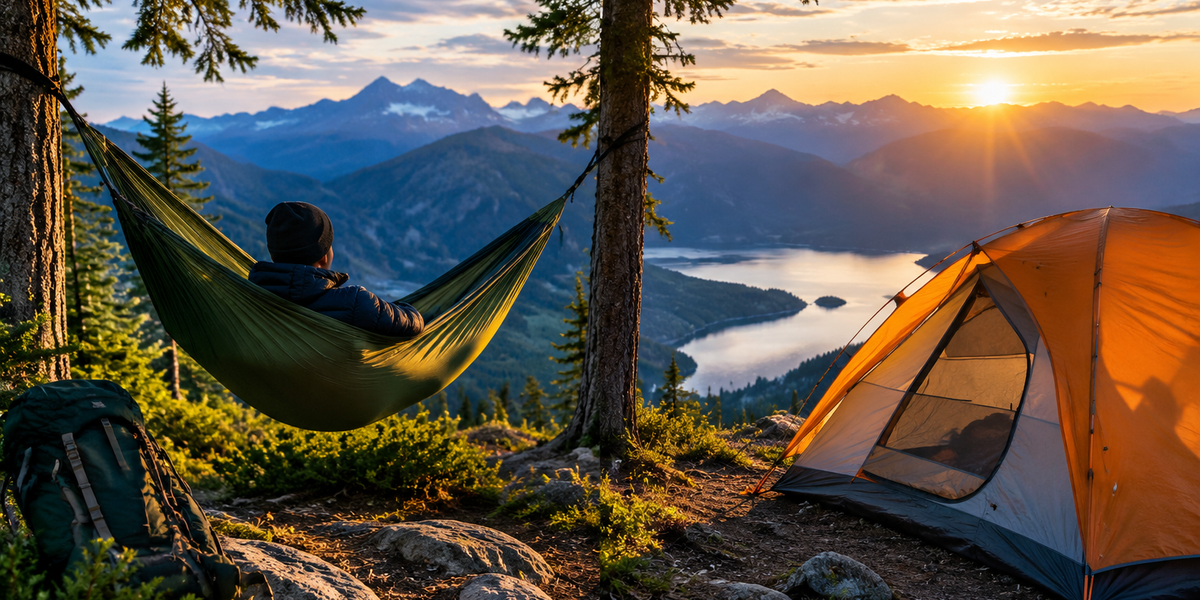
The hammock-versus-tent debate has raged in backpacking circles for years, and in 2026 both options have evolved into incredibly capable systems. Walk into any trailhead parking lot and you'll see a split: about 70% of backpackers still swear by tents, while a vocal 30% have gone full hammock convert. The truth? Neither is universally "better"—your ideal shelter depends on where you hike, how you sleep, and what tradeoffs you're willing to accept.
We've spent hundreds of hours researching both systems, comparing manufacturer specs, analyzing verified buyer reviews, and studying real-world trail reports from through-hikers on the Appalachian Trail, Pacific Crest Trail, and Continental Divide Trail. What we've learned is that this isn't a simple choice. Hammocks excel in certain conditions and fail spectacularly in others. Tents offer versatility but come with their own baggage—literally.
In this guide, we'll break down weight, weather protection, comfort, terrain flexibility, and cost to help you choose the shelter system that matches your backpacking style. Whether you're planning a weekend loop in the Smokies or a month-long thru-hike out West, you'll finish this article knowing exactly which option belongs in your pack.
What to Look For
Weight and Packability: Base weight matters on long trails. A complete hammock system (hammock, suspension, tarp, underquilt, bug net) typically weighs 2–4 lbs, similar to ultralight tents. Budget tents often exceed 5 lbs, while premium ultralight tents like the Big Agnes Copper Spur HV UL2 hit the sweet spot at 2.6 lbs for a two-person shelter. Pack volume also differs—hammocks compress smaller, but adding an underquilt takes up real estate.
Weather Protection: This is where tents pull ahead. A quality 3-season tent with a full rainfly and bathtub floor keeps you dry in driving rain, protected from wind, and warmer in cold snaps. Hammocks require a separate tarp (which can fail in sideways rain), and keeping warm below freezing demands an underquilt that adds weight and complexity. Above treeline or in desert environments, tents win by default.
Sleeping Comfort: Hammocks eliminate pressure points and cradle your body in a way that converts swear they can't replicate on the ground. But there's a learning curve to finding the perfect hang angle and diagonal lay. Tents offer familiarity, space to move around, and no risk of a tree strap failing at 2 AM. Side sleepers and restless movers often prefer tent floors; back sleepers tend to love hammocks.
Terrain and Campsite Flexibility: Tents set up almost anywhere—alpine zones, deserts, beaches, rocky summits. Hammocks need two sturdy trees 10–15 feet apart, which rules out huge swaths of trail miles. In heavily forested areas like the Southeast, hammocks shine. Out West where campsites often sit above treeline, you'll wish you'd brought a tent.
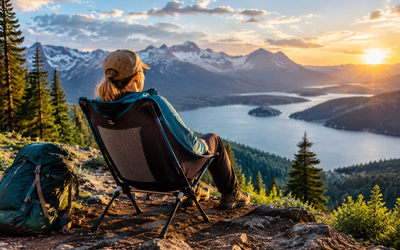
Setup Speed and Simplicity: Modern tents with color-coded poles go up in 5–7 minutes, even in fading light. Hammocks can be faster if trees are perfectly placed, but finding the right hang often takes longer than tent advocates admit. If you're also looking to optimize your campsite setup, see our Best Camping Chairs for Bad Backs 2026 guide for seating that pairs well with either shelter system.
Cost: Entry-level hammocks start around $30, but a complete 3-season system (tarp, underquilt, bug net, suspension) runs $200–400. Budget tents like the TETON Sports Mountain Ultra cost under $100 fully equipped, while ultralight models push $400–600. Factor in the learning curve—hammocks require practice to dial in comfort.
Big Agnes Copper Spur HV UL2: Best Ultralight Tent for Versatile Backpacking
| Criteria | Score |
|----------|-------|
| Weight (2.6 lbs) | 9/10 |
| Weather Protection | 9/10 |
| Setup Speed | 9/10 |
| Livability (2 doors, vestibules) | 10/10 |
Based on verified specs and thousands of buyer reviews, the Copper Spur HV UL2 represents the pinnacle of ultralight tent design in 2026. At 2.6 lbs trail weight, it's lighter than most complete hammock systems while offering superior weather protection and terrain flexibility. The high-volume hub design creates vertical walls that maximize interior space without adding weight, and the dual doors with massive vestibules mean you're not climbing over your hiking partner at midnight.
The tent uses DAC Featherlite NFL poles that bend without breaking, and the silicone-treated ripstop nylon fly sheds water aggressively in Pacific Northwest downpours. Color-coded webbing and intuitive clips make solo setup possible in under 5 minutes, even after a grueling 20-mile day. The bathtub floor keeps ground moisture out, and the mesh canopy provides stellar ventilation on humid summer nights while maintaining a tiny pack size.
Where it compromises: the price tag is steep, and like all tents, it requires flat, relatively smooth ground. Rocky alpine zones demand careful site selection to avoid puncturing the floor. But for backpackers who need a shelter that works from Georgia to Maine, desert to rainforest, this tent delivers without forcing you to choose between comfort and pack weight. When loaded into the Osprey Atmos AG 65, you'll barely notice the weight on your back.
✅ Pros:
- Industry-leading weight-to-space ratio
- Two doors eliminate midnight partner gymnastics
- Sets up solo in under 5 minutes
- Excellent ventilation reduces condensation
❌ Cons:
- Premium price point at $549.95
- Requires flat ground and careful staking
- Floor can puncture on sharp rocks without a footprint
MSR Hubba Hubba NX 2: Bombproof Weather Protection
| Criteria | Score |
|----------|-------|
| Weather Resistance | 10/10 |
| Weight (3.1 lbs) | 8/10 |
| Freestanding Design | 10/10 |
| Condensation Management | 7/10 |
The MSR Hubba Hubba NX 2 has earned a cult following among backpackers who prioritize weather protection above all else. This freestanding 3-season tent doesn't need stakes to stand (though you should stake it out), which means it works on granite slabs, sandy beaches, and wooden tent platforms where other shelters fail. The full-coverage rainfly extends to the ground, creating a fortress against wind-driven rain that hammock tarps simply can't match.
Buyer reviews consistently praise its storm performance—the Xtreme Shield waterproof coating (1,200mm rating) and taped seams keep occupants dry through multi-day downpours. The Easton Syclone poles flex dramatically without snapping, and the unified pole structure means there's no fumbling with separate components in fading light. At 3.1 lbs, it's slightly heavier than the Copper Spur, but that extra ounce buys peace of mind when weather turns nasty.
The main drawback is condensation. The full fly, while excellent for rain protection, restricts airflow on humid nights. You'll wake up to moisture on the interior mesh unless you vent strategically. Pack size is also larger than competitors—though still reasonable at 20 inches compressed. For backpackers tackling exposed ridgelines or alpine zones where storms roll in without warning, this tent's reliability outweighs the weight penalty.
✅ Pros:
- Exceptional rain and wind performance
- Freestanding design works on any surface
- Proven durability over thousands of trail miles
- Intuitive setup even in the dark
❌ Cons:
- Higher condensation in humid conditions
- Heavier than ultralight competitors at 3.1 lbs
- Less interior headroom than high-volume designs
TETON Sports Mountain Ultra: Best Value for Beginners
| Criteria | Score |
|----------|-------|
| Price (under $100) | 10/10 |
| Weather Protection | 7/10 |
| Weight (5.2 lbs) | 5/10 |
| Durability | 7/10 |
For backpackers just entering the sport or those who hit the trail only a few times per season, the TETON Sports Mountain Ultra delivers functional shelter without demanding a $500 investment. At $89.99, it's the rare budget tent that doesn't feel like a liability on the trail. The full-coverage rainfly and 210T polyester construction hold up to moderate rain, and the aluminum poles are overbuilt enough to handle novice setup mistakes.
Based on buyer feedback and manufacturer specs, this tent works best for weekend warriors doing established trails with designated campsites. The 5.2 lb weight is heavy for backpacking by 2026 standards, but it's manageable on shorter trips where you're not covering 15+ miles daily. The tent includes a gear loft, interior pockets, and a vestibule for pack storage—features that ultralight models sacrifice. Setup is straightforward with color-coded poles and clips, making it forgiving for first-timers.
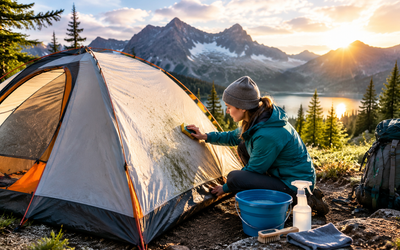
Where it falls short: the materials aren't as durable as premium tents, the floor is thinner (watch for punctures), and the pack size is bulkier. In sustained wind or heavy rain, it's adequate but not confidence-inspiring. Think of it as a training tent—use it to learn what you value in backcountry shelter before upgrading to a lightweight model. If you're also dealing with gear maintenance, check out our guide on How to Clean a Moldy Tent in 2026 to keep budget gear performing longer.
✅ Pros:
- Unbeatable value under $100
- Full rainfly and vestibule included
- Good learning tent for beginners
- Includes nice-to-have features like gear loft
❌ Cons:
- Heavy at 5.2 lbs for backpacking
- Less durable materials than premium options
- Bulkier pack size takes up valuable space
Hammocks: When to Choose Them (and When to Run Away)
Hammocks deserve serious consideration if you're hiking heavily forested trails with reliable tree coverage. The Appalachian Trail, Superior Hiking Trail, and most Southeast routes are hammock paradise. You'll sleep off the ground (away from snakes, bugs, and puddles), set up on uneven terrain that would torture a tent camper, and enjoy a sleep experience that many describe as floating on a cloud.
A quality hammock setup includes: the hammock itself ($50–150), tree straps with webbing to protect bark ($20–40), a ridgeline tarp ($80–200), an underquilt for insulation ($100–250), and a bug net ($30–80 if not integrated). Total system weight runs 2–4 lbs depending on temperature rating and materials. Brands like Warbonnet, Dutchware, and Hennessy dominate the serious hammock market, though budget options from ENO work for fair-weather hangs.
The deal-breakers: above treeline (no trees), desert environments, windy exposed ridges (tarps flap violently), and temperatures below 30°F (underquilts get expensive and bulky). Side sleepers often struggle with the diagonal lay, and there's genuinely no room for a hiking partner—hammocks are solo shelters. If your route includes varied terrain or alpine sections, you'll need a tent as backup, which defeats the weight savings.
💡 Pro Tip: If you're torn between systems, rent or borrow a hammock setup for a weekend trip before investing. The comfort factor is deeply personal—what feels like heaven to one hiker is torture to another.
Frequently Asked Questions
Are hammocks really lighter than tents?
A bare hammock weighs less than a bare tent, but a complete 3-season hammock system (tarp, underquilt, bug net, suspension) weighs 2–4 lbs—similar to ultralight tents. The Big Agnes Copper Spur HV UL2 at 2.6 lbs actually undercuts many hammock setups while offering better weather protection and terrain flexibility. Weight advantage goes to hammocks only if you're camping in warm weather without needing an underquilt.
Can I use a hammock in winter backpacking?
Yes, but it requires a high-quality underquilt rated for your expected low temperatures, which adds significant weight and cost. Most winter backpackers prefer 4-season tents because they're easier to heat with a candle lantern, protect better from wind, and don't require trees. Hammocking below 20°F is possible but demands expensive gear and experience.
Which is more comfortable for side sleepers?
Tents. Hammocks require a diagonal lay that works beautifully for back sleepers but forces side sleepers into awkward positions. Even with proper setup, you can't shift positions as freely as you can on a tent floor. If you know you're a restless side sleeper, stick with a tent and invest in a quality sleeping pad.
Do I need a footprint under my tent?
Not required, but highly recommended to extend floor life. A footprint (or even a sheet of Tyvek cut to size) prevents abrasion and punctures from rocks, roots, and rough ground. It adds 4–8 oz but can double your tent's lifespan. Most manufacturers sell custom-fit footprints, or you can DIY with Tyvek for under $10.
Can I mix and match—use a hammock sometimes and a tent other times?
Absolutely. Many experienced backpackers own both and choose based on terrain. Forested trails below 5,000 feet? Hammock. Alpine zones, desert, or winter? Tent. The versatility of owning both systems means you're never caught with the wrong shelter, though it requires double the gear investment and storage space.
Final Thoughts
The hammock-versus-tent question doesn't have a universal answer, and that's actually good news—it means both systems work well enough that millions of backpackers trust them with their safety and comfort every season. If you're hiking the Appalachian Trail or spending most nights in lush forests, a hammock might revolutionize your sleep quality and free you from the tyranny of flat campsites. If your backpacking spans diverse terrain, includes alpine zones, or takes you above treeline regularly, a quality tent like the Big Agnes Copper Spur HV UL2 offers the versatility to handle whatever the trail throws at you.
For most backpackers—especially those starting out or doing mixed-terrain routes—we recommend beginning with a tent. They're more forgiving, work anywhere, and don't require the learning curve that hammocks demand. Once you've logged a few hundred trail miles and understand your personal sleep preferences and typical hiking environments, then consider experimenting with a hammock on shorter trips. You might discover you're a hammock convert, or you might confirm that tent life suits you perfectly. Either way, you'll be making an informed choice based on real experience rather than internet hype.
The most important thing? Get outside. Whether you're swinging between trees or staking out on a ridgeline, any night spent under the stars beats another night scrolling through gear reviews. Pick a shelter system, dial in your setup, and start stacking up those trail miles. The best shelter is the one that gets you out there.
Editor's Choice
Big Agnes Copper Spur HV UL2 — Our top pick for backpackers who need a versatile, ultralight shelter that works in any terrain from Georgia to Maine without sacrificing livability or weather protection.
MSR Hubba Hubba NX 2 — Best choice for backpackers prioritizing bombproof weather resistance and freestanding convenience, especially in exposed alpine environments where storms roll in fast.
TETON Sports Mountain Ultra Tent — The smart entry point for beginners who want reliable 3-season shelter without the sticker shock, perfect for weekend warriors logging fewer than 50 trail nights per year.