Disclosure: As an Amazon Associate, HikePod earns from qualifying purchases at no extra cost to you.
⭐ Our Top Pick
🏆 Best Overall: Big Agnes Copper Spur HV UL2 — dual doors make middle-of-night toddler bathroom trips exponentially easier, and the 5-minute setup means more time managing little ones, less time wrestling poles.
💰 Best Value: TETON Sports Mountain Ultra Tent — spacious, affordable shelter that lets first-time family campers test the experience without premium tent pricing.
Introduction
Camping with a toddler for the first time feels like planning a expedition to another planet. You're juggling diapers, snacks, safety concerns, and the very real possibility that your 2-year-old will decide 4 a.m. is the perfect time to explore the campground. But here's the truth: thousands of families successfully camp with toddlers every year, and with the right preparation, you can too.
We've compiled insights from pediatric outdoor experts, experienced family campers, and verified parent reviews to create a practical roadmap for your first toddler camping adventure. This isn't about perfection—it's about managing expectations, preparing for the chaos, and creating memories that'll outlast the inevitable meltdowns.
In this guide, we'll walk through the essential gear that actually matters (and what you can skip), safety strategies that work in real campground conditions, and sleep solutions backed by parents who've been in your shoes. Whether you're car camping at a state park or planning a short backpacking trip, these principles will help you camp confidently with your toddler.
What to Look For
Easy-Access Shelter Design — Look for tents with multiple doors and vestibules. When your toddler needs to exit at 2 a.m., you don't want to climb over sleeping family members or struggle with a single zippered entry in the dark.
Temperature-Appropriate Sleep Systems — Toddlers regulate body temperature differently than adults. Choose sleeping bags or layering systems rated 10-15°F below your expected low temperature, and always pack backup fleece layers.
Childproofed Campsite Basics — Your gear list should include items specifically for toddler safety: glow sticks for nighttime visibility, a small first aid kit with pediatric supplies, and barriers or boundaries to define your camping space.
Compact Entertainment Solutions — Toddlers have short attention spans. Bring lightweight, nature-friendly activities that pack small: nature scavenger hunt cards, a magnifying glass, washable sidewalk chalk for decorating flat rocks.
Flexible Meal Planning — Forget gourmet camp cooking on your first trip. Focus on foods your toddler already eats, plus backups. Pouches, crackers, and familiar snacks prevent hunger-driven meltdowns when the camp stove takes longer than expected.
Realistic Distance Expectations — Choose a campground within 1-2 hours of home for your first trip. If things go sideways, you can bail without turning it into an epic ordeal. Success on short trips builds confidence for longer adventures.
Best Family Tents for Toddler Camping
Big Agnes Copper Spur HV UL2
| Criteria | Score |
|----------|-------|
| Setup Speed | 9/10 |
| Door Access | 10/10 |
| Weather Protection | 9/10 |
| Weight (for family gear loads) | 8/10 |
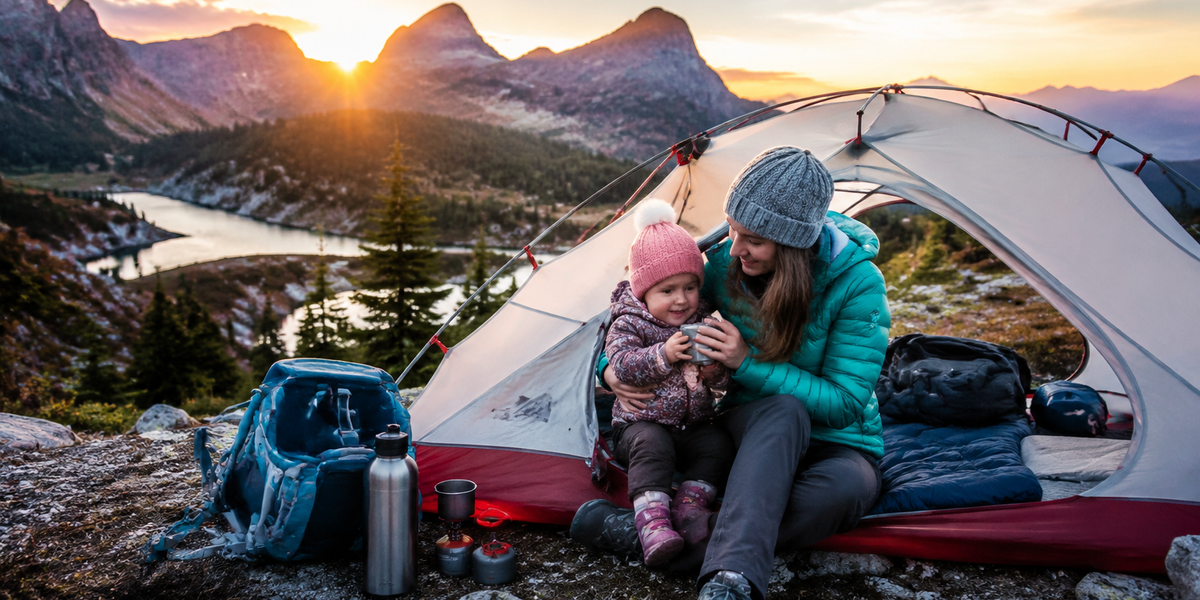
The Big Agnes Copper Spur HV UL2 dominates the family backpacking tent category for one simple reason: dual doors and vestibules. When your toddler wakes up at 3 a.m. needing to pee, you can exit from your side without waking your partner or stepping on the kid. The tent sets up in under 5 minutes, which matters enormously when you're managing a curious toddler who wants to "help" with every stake.
At 2.6 lbs, it's light enough that parents carrying extra toddler gear (snacks, diapers, comfort items) won't feel crushed by tent weight. The two vestibules provide storage for dirty shoes, wet clothes, and the inevitable collection of sticks and rocks your toddler insists on bringing to bed. Buyer reviews consistently highlight how the pre-bent poles create vertical walls, maximizing usable space—critical when you're sharing 29 square feet with an active toddler.
✅ Pros:
- Dual-door design is a game-changer for nighttime toddler management
- Lightning-fast setup when patience is in short supply
- Excellent ventilation prevents condensation buildup from toddler breathing
❌ Cons:
- Premium pricing may feel steep for families testing out camping
- Two-person footprint gets cozy as toddlers grow toward preschool age
TETON Sports Mountain Ultra Tent
| Criteria | Score |
|----------|-------|
| Setup Speed | 6/10 |
| Interior Space | 8/10 |
| Weather Protection | 7/10 |
| Value for Money | 9/10 |
For families dipping their toes into camping without committing to premium gear, the TETON Sports Mountain Ultra Tent delivers solid performance at a budget-friendly price point. The full rainfly coverage protects gear and provides peace of mind during unexpected weather—important when you're managing a toddler who doesn't understand why we can't go outside when it's raining.
This tent offers enough interior space to set up a small pack-n-play or toddler sleeping pad with room for parents on either side. The vestibule space accommodates muddy shoes, diaper bags, and the collection of outdoor toys that accumulate during a camping day. Based on verified buyer reviews, families appreciate the straightforward setup, though it requires more time than premium quick-pitch designs.
✅ Pros:
- Affordable entry point for first-time family campers
- Spacious interior handles toddler gear and sleeping arrangements
- Full fly coverage keeps everyone dry and protected
❌ Cons:
- Heavier than ultralight options (matters less for car camping)
- Single-door design means midnight toddler exits require coordination
💡 Pro Tip: Practice setting up your tent at home before your trip. Let your toddler "help" and treat it as a backyard campout. This familiarizes them with the space and troubleshoots setup challenges when you're not exhausted from travel.
Toddler Sleep Systems That Actually Work
Understanding Toddler Temperature Regulation
Toddlers lose body heat faster than adults and can't communicate when they're cold until they're already uncomfortable. The Marmot Trestles Elite Eco 20°F Sleeping Bag addresses this with a 20°F comfort rating and synthetic insulation that continues insulating even when damp from toddler drool, spills, or unexpected weather.
The bag's recycled synthetic fill dries faster than down—a practical advantage when camping with young children who spill juice boxes and drag sleeping bags outside. Parents report the roomy cut accommodates co-sleeping with toddlers who need nighttime comfort, or allows space for a toddler to sleep solo with room to wiggle without creating cold spots.
| Criteria | Score |
|----------|-------|
| Temperature Rating | 9/10 |
| Moisture Resistance | 8/10 |
| Room for Movement | 8/10 |
| Value for Performance | 9/10 |
✅ Pros:
- 20°F rating provides safety margin for unpredictable toddler thermoregulation
- Synthetic fill handles moisture from spills and humid breath
- Roomy design accommodates co-sleeping or active toddler movement
❌ Cons:
- Bulkier pack size than down alternatives
- May run too warm for mid-summer camping in hot regions
Alternative Sleep Arrangements
Some families skip toddler sleeping bags entirely and create a layered sleep system: insulated sleeping pad topped with fleece blankets and a warm sleep sack. This approach lets you adjust layers based on temperature and provides familiar bedtime textures that help toddlers settle. Whichever system you choose, always pack backup fleece layers and a warm hat—toddlers kick off covers, and nighttime temperatures drop faster than you expect.
Safety Essentials for Toddler Camping
Establish Visual Boundaries — Use brightly colored paracord, glow sticks, or camping tape to mark your campsite perimeter. Toddlers respond well to visual boundaries, and this creates a "safe zone" concept they can understand.
Nighttime Visibility — Attach a small LED light or glow stick to your toddler's jacket or backpack. If they wander at dusk or dawn, you can spot them immediately. Some families use clip-on flashing bike lights designed for runners.
Water Safety Protocol — If your campsite is near water, establish a "no water without a grown-up" rule and repeat it constantly. Consider a toddler life vest even for shallow creek play—toddlers are top-heavy and unstable on slippery rocks.
Wildlife Awareness — Store all food, snacks, and scented items (including toddler wipes and diaper cream) in bear canisters or car trunks. Teach your toddler to stay close during hikes and practice making noise together—singing silly songs works better than explaining bear safety.
First Aid Preparation — Pack a pediatric first aid kit with child-appropriate pain relievers, antihistamines for bug reactions, blister treatment, and any prescription medications. Know the location of the nearest urgent care before you arrive.
💡 Pro Tip: Bring a recent photo of your toddler on your phone. If they wander and you need to alert rangers or other campers, having a clear, current photo helps immensely.
Managing Toddler Sleep in Camp Conditions
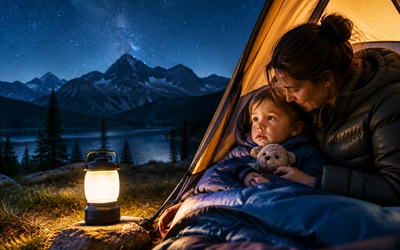
Replicate Home Routines — Maintain your bedtime routine as much as possible. If you read stories before bed at home, read stories in the tent. If they sleep with a specific stuffed animal, that animal becomes essential camping gear.
Tire Them Out (Strategically) — Plan active morning and early afternoon activities, but avoid overstimulation near bedtime. An overtired toddler is harder to settle than a pleasantly tired one.
Light Management — Summer camping means late sunsets. Bring a dark sleep sack or use tent vestibules to create darkness cues. Some families pack blackout fabric to clip over tent windows.
White Noise Solutions — Campground sounds differ from home. A battery-powered white noise machine or phone app helps mask unfamiliar sounds like other campers, wildlife, or wind in trees.
Expect Disruption — Your toddler will probably sleep worse the first night. This is normal. Most toddlers adapt by the second or third night, which is why experts recommend 3-day minimum trips rather than overnight excursions.
Co-Sleeping Considerations — If your toddler doesn't typically co-sleep, camping might not be the time to start. If they do co-sleep at home, plan for it in your tent layout. A large sleeping pad that accommodates parent and toddler together works better than trying to maintain separate sleep spaces.
Frequently Asked Questions
What's the best age to start camping with toddlers?
Most families find the 2-3 year range is the sweet spot for first camping trips. At this age, toddlers are mobile enough to enjoy exploration but still nap predictably and follow simple instructions. That said, every child develops differently—if your 18-month-old loves being outside and adapts easily to new situations, try a short overnight trip. If your 3-year-old struggles with routine changes, wait until they're slightly older and can understand camping expectations.
How do I handle diaper changes and potty training while camping?
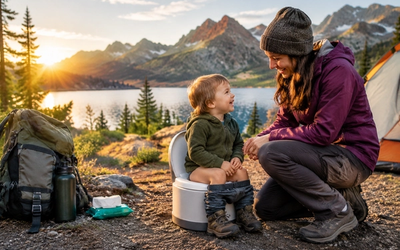
For diaper changes, designate a specific area away from your tent and cooking space. Bring a portable changing pad, plenty of wipes, and odor-blocking bags for dirty diapers. Dispose of diapers in campground trash receptacles, never in pit toilets. For potty-training toddlers, a small portable potty designed for camping works well—empty it in campground toilets. Alternatively, practice using public restrooms before your trip so campground facilities feel less intimidating.
What if my toddler refuses to sleep in the tent?
Stay calm and have a backup plan. Some parents let overtired toddlers fall asleep in camp chairs or on picnic blankets, then transfer them to the tent later. Others take a nighttime walk or drive until the toddler falls asleep in a carrier or car seat. If your toddler absolutely won't sleep in the tent, it's okay to bail on the first trip and try again in a few months. Forcing it creates negative associations that make future trips harder.
How much gear do I really need for a toddler camping trip?
Start with the essentials: shelter, sleep system, clothing layers, food, first aid, and comfort items (favorite stuffed animal, familiar books). You can car camp with extensive gear or backpack minimally—the approach matters less than covering the basics. Many first-time family campers over-pack, then pare down for subsequent trips based on what they actually used.
What's the best type of campground for first-time toddler camping?
Choose developed campgrounds with amenities: flush toilets, running water, and nearby ranger stations. State parks and established forest service campgrounds typically offer safe environments with defined campsites and family-friendly neighbors. Avoid dispersed camping or remote backcountry sites for your first trip—you want infrastructure and help nearby if things go wrong. Look for campgrounds with playgrounds, nature centers, or short interpretive trails designed for young children.
Final Thoughts
Camping with a toddler for the first time requires more planning than solo trips or adult group camping, but the rewards are worth the effort. You're introducing your child to outdoor experiences that build resilience, curiosity, and family bonds that last far beyond the weekend.
Start small, manage your expectations, and remember that success isn't measured by how smoothly everything goes—it's measured by whether you created positive outdoor memories and built confidence for the next trip. Your toddler won't remember the perfect sunset or the gourmet camp meal. They'll remember collecting rocks with you, sleeping in a tent under the stars, and the feeling that being outside with family is an adventure worth taking.
Choose gear that simplifies logistics rather than complicates them, prioritize safety without letting anxiety dominate the experience, and give yourself permission to adjust plans when toddler moods shift. With the right preparation and mindset, your first family camping trip becomes the foundation for years of outdoor adventures together.
Editor's Choice
Big Agnes Copper Spur HV UL2 — The dual-door design and 5-minute setup make this tent the top choice for families managing active toddlers who need frequent nighttime attention.
Marmot Trestles Elite Eco 20°F Sleeping Bag — Synthetic insulation handles toddler spills and moisture while the 20°F rating provides the safety margin young children need for comfortable sleep.
TETON Sports Mountain Ultra Tent — An affordable, spacious shelter that lets first-time family campers test the camping experience without premium gear investment.