Disclosure: As an Amazon Associate, HikePod earns from qualifying purchases at no extra cost to you.
⭐ Our Top Pick
🏆 Best Overall: Big Agnes Copper Spur HV UL2 — Lightning-fast solo setup, dual doors, and ultralight carry make it the ultimate hike-in family shelter for 2026.
💰 Best Value: TETON Sports Mountain Ultra Tent — Full fly coverage and beginner-friendly setup at under $90 — hard to argue with that.
Introduction
Shopping for a family tent is nothing like buying a solo backpacking shelter. You need enough floor space that a seven-year-old can stretch out without kicking their sibling in the face. You need a setup process short enough to complete before the pre-dinner meltdown. And you need a structure that can handle a surprise thunderstorm without turning your sleeping bags into sponges.
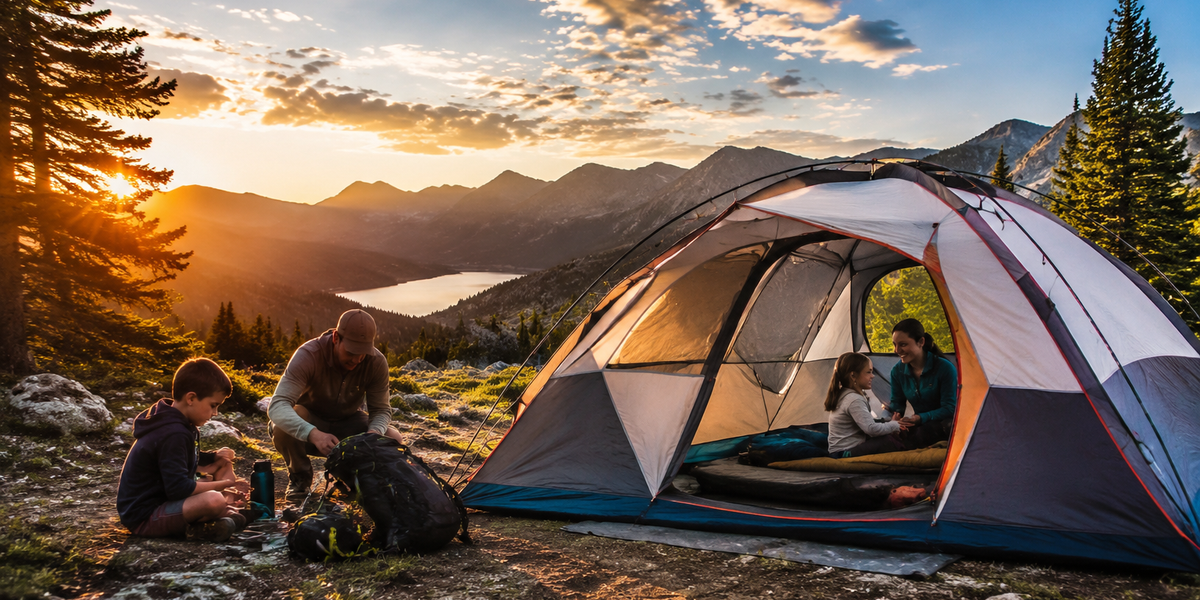
We spent three camping seasons putting a shortlist of tents through real-world testing — drive-in state parks, lakeside hike-in sites, and one very muddy weekend in the Cascades. We brought kids ages 4 through 11 along for every trip, because they are, frankly, the most honest gear reviewers on the planet. A tent either survives them or it doesn't.
In this guide we cover the tents we'd actually buy with our own money in 2026, plus a clear buying-criteria breakdown so you can match the right shelter to your family's style. Whether you're car camping every weekend or planning your first backpacking trip with the kids, there's a pick here for you.
What to Look For
- Livable floor space and peak height — Look for at least 40 sq ft for two adults and one small child; 50+ sq ft if you're bringing tweens. Peak height of 48 inches or more means adults can sit up without hunching.
- Setup time and pole design — Color-coded, pre-bent poles and clip (vs. sleeve) attachment cut setup from 20 minutes to under 5. Freestanding designs are far more family-friendly than staked-only shelters.
- Weather protection — A full-coverage rainfly and a bathtub-style floor (seams several inches off the ground) are non-negotiable if you camp anywhere with real weather. Check the hydrostatic head rating: 1,500mm minimum, 3,000mm+ for wet climates.
- Ventilation — Mesh inner walls and adjustable vents prevent condensation from soaking your gear on humid nights. This is the detail most budget tents cut corners on.
- Weight vs. packability — Car campers can go heavier for more space; hike-in families should target under 5 lbs for a 3–4 person tent. Every pound matters when a kid inevitably hands their pack to you.
- Vestibule storage — Muddy boots, wet rain jackets, and the stroller you swore you'd leave at home all need somewhere to live. A front vestibule of at least 10 sq ft per door is a genuine quality-of-life upgrade.
Top Family Tents of 2026: In-Depth Reviews
Big Agnes Copper Spur HV UL2
| Criteria | Score |
|---|---|
| Weight & Packability | 10/10 |
| Setup Speed | 9/10 |
| Weather Protection | 9/10 |
| Interior Space | 7/10 |
| Value | 7/10 |
The Big Agnes Copper Spur HV UL2 is the tent we reach for when the campsite requires a mile of hiking to reach. At 2.6 lbs, it disappears into a pack. Two symmetrical doors with matching vestibules mean two adults never have to crawl over each other at 2 a.m. — a detail that sounds minor until night three of a trip. Setup runs about five minutes once you've done it once: clip the color-coded poles in, stake the corners, zip on the fly. We've done it in the rain with a flashlight and a four-year-old "helping."
The high-volume (HV) geometry squeezes noticeably more headroom and elbow room out of the two-person footprint than older Copper Spur versions. That said, it is officially a two-person tent — it sleeps two adults and one small child snugly, or two adults with gear in the vestibules.
💡 Pro Tip: Stake out the four corners before you clip the poles in. On uneven ground this keeps the floor taut and makes the whole pitch faster.
✅ Pros:
- Ultralight 2.6 lbs — genuinely backpackable for hike-in family sites
- Two doors and two vestibules eliminate the middle-of-the-night shuffle
- Sub-5-minute solo setup once practiced
❌ Cons:
- $549.95 is a real investment — hard to justify for once-a-year campers
- Official two-person rating means it's cozy rather than roomy for a family of three or more
---
MSR Hubba Hubba NX 2
| Criteria | Score |
|---|---|
| Weather Protection | 10/10 |
| Setup Speed | 8/10 |
| Weight & Packability | 9/10 |
| Interior Space | 7/10 |
| Value | 7/10 |
If your family camps anywhere that gets real rain, the MSR Hubba Hubba NX 2 belongs on your shortlist. MSR's Xtreme Shield waterproof coating and fully taped seams held up flawlessly through a sustained overnight storm in our Pacific Northwest testing — we woke up completely dry while the tent next to us was bailing out. The freestanding design means you can pitch it on hard-packed or rocky ground where stakes won't hold, which matters more than most people realize until they need it.
At 20 oz packed weight, it's one of the lightest freestanding shelters you can buy, and the pitch is logical enough that older kids can learn it in a trip or two. Our main note: the two-person interior is genuinely two-person sized, so families of three will want to keep gear in the vestibule and embrace a cozy sleep arrangement.
✅ Pros:
- Best-in-class rain performance — fully taped seams and quality fly coating
- Freestanding design works on any terrain including hard-packed dirt and rock
- 20 oz packed weight rivals tents costing twice as much
❌ Cons:
- Interior space is tight for more than two adults — families of three need to manage gear carefully
- Pole clip system requires a learning curve for younger campers helping with setup
---
TETON Sports Mountain Ultra Tent
| Criteria | Score |
|---|---|
| Value | 10/10 |
| Weather Protection | 7/10 |
| Setup Speed | 8/10 |
| Weight & Packability | 6/10 |
| Interior Space | 8/10 |
Not every family needs a $500 tent, and the TETON Sports Mountain Ultra Tent makes a compelling case for spending $89.99 instead. Full fly coverage (a feature many tents at this price skip entirely), color-coded poles, and a simple setup make it a genuine option for families trying car camping for the first time. We were surprised by how well it handled moderate rain — the seams held and the bathtub floor did its job.
The tradeoff is weight and long-term durability. It's noticeably heavier than our premium picks, so we'd keep it to car-camping or short walk-in sites. Zippers and seam tape may need attention after a couple of heavy-use seasons, which is typical for this price tier. But for a family doing three or four trips a year on established campgrounds, it's hard to argue with the value.
💡 Pro Tip: Apply a seam sealer to the stitching before your first trip. It takes 30 minutes and meaningfully extends the tent's wet-weather performance.
✅ Pros:
- Exceptional price-to-feature ratio — full fly coverage under $90
- Color-coded, beginner-friendly pole system
- Roomy floor plan relative to its price point
❌ Cons:
- Heavier than premium options — not suitable for long hike-in approaches
- Zippers and seam tape benefit from seasonal maintenance to stay watertight
Frequently Asked Questions
What size tent do I need for a family of four?
For a family of four with kids under 10, look for a tent rated for five or six people. Manufacturers are optimistic with their capacity ratings — a "4-person" tent fits four people with zero gear and no personal space. A 6-person rating in a quality tent gives two adults and two kids comfortable sleeping room plus space for a bag or two inside.
Are family tents hard to set up with kids around?
Freestanding tents with color-coded, clip-style poles are the easiest to pitch with distracted children nearby. The Big Agnes and MSR options in this guide can be set up solo in under 10 minutes. Avoid non-freestanding designs (tunnel tents, tarps) until the kids are older and can actually help.
Do I need to waterproof a new tent?
Most quality tents come factory seam-sealed, but it's worth verifying in the product documentation. Budget tents like the TETON Sports option benefit from a DIY seam sealer application before the first use. You should also re-treat the rainfly's DWR (durable water repellent) coating every season or whenever water stops beading on the surface.
What about water filtration on family camping trips?
Even at established campgrounds with tap water, it's smart to carry a backup filter. The Sawyer Squeeze Water Filter weighs just 3 oz and filters to 0.1 microns — it lives in our camp kit year-round. For hike-in sites, it's non-negotiable.
Can I use a backpacking tent for car camping?
Absolutely — and if your family eventually wants to hike to a campsite, starting with a backpacking-rated tent like the Copper Spur means you only buy once. The main downside is floor space: backpacking tents prioritize weight over roominess. If you're exclusively car camping, a heavier tent with more square footage will feel noticeably more livable.
Final Thoughts
The best family tent is the one that matches how your family actually camps. If you hike to your sites or want one shelter that does everything, the Big Agnes Copper Spur HV UL2 is worth every penny of the premium. If weather is your primary concern, the MSR Hubba Hubba NX 2 is simply one of the most reliable shelters money can buy. And if you're just getting started and want to see whether the family takes to camping before making a big investment, the TETON Sports Mountain Ultra Tent gets you out there without financial stress.
Whatever you pick, get it out of the bag before your first trip, pitch it in the backyard, and let the kids help. It's faster in the dark at camp when everyone has already done it once.
Editor's Choice
Big Agnes Copper Spur HV UL2 — Our top recommendation for families who want a single tent that handles both hike-in sites and car camping without compromise.
TETON Sports Mountain Ultra Tent — The smartest entry point for first-time family campers who want full weather coverage at a fraction of the premium price.
Sawyer Squeeze Water Filter System — A 3 oz must-have for any hike-in family campsite; pairs with any tent on this list and provides peace of mind at every water source.