Disclosure: As an Amazon Associate, HikePod earns from qualifying purchases at no extra cost to you.
⭐ Our Top Pick
🏆 Best Overall: Osprey Poco Plus — Anti-Gravity suspension and 26L cargo capacity make this the most comfortable, versatile hiking baby carrier for full-day adventures.
💰 Best Value: ClevrPlus Cross Country — At under $90 with included sunshade and rain cover, it's the smart choice for families just starting to explore trails with their little one.
Introduction
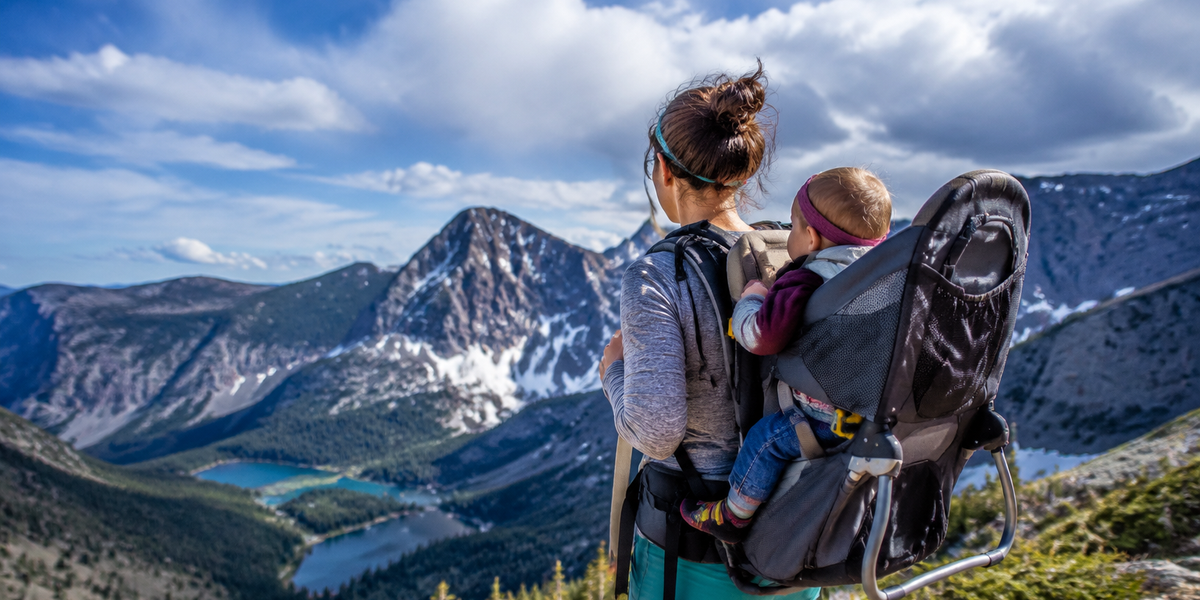
The first time you strap your baby into a hiking carrier and hit the trail together, something magical happens. Suddenly, those favorite day hikes you thought were on hold for years become family adventures again. Your toddler gets a front-row seat to alpine meadows and waterfall mist while you reclaim the physical and mental benefits of time outdoors.
But not all baby hiking carriers deliver on that promise. A poorly designed frame pack turns a 3-mile loop into a shoulder-aching ordeal, while inadequate sun protection or ventilation puts your child at risk on exposed trails. We researched the latest 2026 models from Osprey, Deuter, Kelty, Thule, and budget brands, comparing frame construction, suspension systems, safety features, and verified buyer feedback from thousands of hiking families.
This guide breaks down what separates premium carriers from basic models, reviews the top five options across different budgets, and answers the most common questions about hiking safely with babies and toddlers on your back.
What to Look For
Load distribution matters more than weight. A 6 lb carrier with excellent suspension feels lighter after 5 miles than a 4 lb model with basic padding. Look for adjustable torso lengths, padded hip belts that transfer weight to your hips (not shoulders), and ventilated back panels that prevent sweat buildup.
Child safety features are non-negotiable. Five-point harnesses keep active toddlers secure, adjustable stirrups prevent leg circulation issues, and high side walls protect against head bumps on narrow trails. Certifications like ASTM F2236 verify the carrier meets safety standards for child restraint and frame strength.
Storage capacity determines trip length. A 14L pack handles a 2-hour morning hike with snacks and one diaper change. For half-day or longer adventures, you need 20-26L to carry extra layers, full lunch, first aid (consider the compact Adventure Medical Kits Ultralight Watertight .7 for blister and sprain essentials at just 7 oz), hydration reservoir, and sun protection.
Weather protection extends your season. Integrated or attachable sunshades prevent overheating and sun exposure during summer hikes. Rain covers keep your child dry during unexpected showers. Removable accessories let you adapt the carrier as weather and seasons change.
Adjustability supports multiple carriers. If you and your partner share carrying duties, look for tool-free adjustment systems that accommodate different torso lengths and hip sizes. Quick-adjust features mean you spend less time fiddling with straps at the trailhead.
Child comfort impacts trail happiness. Padded seat areas, adjustable head support for nappers, and proper legroom for growing toddlers determine whether your kid enjoys the ride or fusses after 20 minutes. Verify weight and height limits match your child's current and projected size.
Osprey Poco Plus
| Criteria | Score |
|----------|-------|
| Load Comfort | 10/10 |
| Storage Capacity | 9/10 |
| Child Safety Features | 9/10 |
| Weather Protection | 10/10 |
The Osprey Poco Plus represents the gold standard in hiking baby carriers, bringing the same Anti-Gravity suspension system from Osprey's acclaimed backpacking packs to family adventures. The AG LightWire frame creates a tensioned mesh back panel that suspends the pack away from your body, allowing airflow while distributing the combined weight of baby, carrier, and gear across your hips and shoulders with remarkable balance.
At 26 liters, the cargo capacity handles everything you need for full-day hikes: extra layers, diapers, wipes, snacks, water reservoir, and lunch. The integrated sunshade deploys in seconds to protect your child during exposed ridge walks, while the included rain cover stuffs into a dedicated pocket for quick access when clouds roll in. The child cockpit features a five-point harness, adjustable stirrups, and plush padding that keeps toddlers comfortable even when they drift off to sleep mid-hike.
Verified buyers consistently praise the Poco Plus for eliminating the shoulder and lower back pain they experienced with other carriers. The adjustable torso length accommodates parents from 5'2" to 6'4", and the easy-adjust hip belt fits waist sizes 26-54 inches. One parent noted carrying their 30 lb toddler on an 8-mile loop without the usual fatigue, crediting the suspension system for making the weight "disappear."
✅ Pros:
- Industry-leading Anti-Gravity suspension distributes weight evenly across hips and shoulders
- 26L cargo capacity is the largest in the premium category
- Integrated sunshade and rain cover handle variable weather without extra purchases
- Adjustable torso fits the widest range of parent heights
❌ Cons:
- $349.95 price point is a significant investment for families just starting to hike with babies
- 5.5 lb empty weight is noticeable before you add child and gear
Deuter Kid Comfort Active SL
| Criteria | Score |
|----------|-------|
| Load Comfort | 9/10 |
| Storage Capacity | 7/10 |
| Child Safety Features | 9/10 |
| Ventilation | 10/10 |
Deuter's Kid Comfort Active SL prioritizes ventilation and quick adjustability, making it ideal for families who share carrying duties or hike in hot climates. The Aircomfort Sensic Vario back system creates a gap between your back and the pack using a spring steel frame and tensioned mesh, delivering airflow that keeps you cooler than solid-contact designs. On summer trails where other carriers leave your shirt soaked, the Active SL maintains comfort.
The VariSlide system adjusts torso length through 4 inches of range without tools, allowing quick transitions between parents of different heights. The SL (Slim) designation indicates a narrower shoulder strap spacing and contoured hip belt designed specifically for smaller frames, though the standard Kid Comfort Active accommodates broader builds. At 14 liters, storage is the trade-off for the slim profile—adequate for half-day hikes but tight for full-day trips with multiple kids.
Child safety features match premium competitors with a five-point harness, adjustable footrests, and head support for sleeping toddlers. The chin pad prevents face contact with the frame during naps. Verified buyers appreciate the lower center of gravity compared to Osprey models, noting improved balance on rocky, technical terrain where stability matters most.
✅ Pros:
- Aircomfort Sensic Vario back panel delivers best-in-category ventilation
- VariSlide torso adjustment accommodates multiple carriers without tools
- Slim profile and lower center of gravity improve balance on technical trails
- $299.95 price undercuts Osprey while maintaining premium features
❌ Cons:
- 14L storage capacity limits gear for full-day or multi-child trips
- Rain cover sold separately adds $30-40 to total cost
Kelty Journey PerfectFIT Elite
| Criteria | Score |
|----------|-------|
| Load Comfort | 10/10 |
| Storage Capacity | 8/10 |
| Adjustability | 10/10 |
| Versatility | 9/10 |
The Kelty Journey PerfectFIT Elite builds on Kelty's 70+ year history of pack innovation with a suspension system that adjusts on the fly—no need to remove the pack or ask your partner to help with buckles and straps. The PerfectFIT mechanism uses dual side rails and a rotating cam system to dial in the ideal torso length while you wear it, making mid-hike adjustments possible when the carrier feels off.
Padding on the shoulder straps and hip belt rivals expedition backpacking packs, with dual-density foam that cushions pressure points without creating hot spots. At 22 liters, storage falls between Deuter's minimal approach and Osprey's maximum capacity—enough for full-day trips without the bulk. The removable daypack converts the carrier for solo hikes, giving you a lightweight summit pack when grandparents watch the baby.
Child features include a five-point harness, adjustable stirrups, and a cocoon-style seat with extra padding. The integrated sunshade covers a wider area than Osprey's design, and the kickstand deploys for loading and unloading without help. One verified buyer noted the adjustment system's learning curve but said it became intuitive after two trips, delivering a custom fit that eliminated their chronic hip pain.
✅ Pros:
- PerfectFIT suspension adjusts on the fly without removing the pack
- Expedition-grade padding on shoulder straps and hip belt maximizes comfort
- Removable daypack adds versatility for adult-only hikes
- Integrated sunshade offers superior coverage
❌ Cons:
- $379.95 price is the highest in the premium category
- Complex adjustment system requires practice to master
Thule Sapling Elite
| Criteria | Score |
|----------|-------|
| Weight | 10/10 |
| Child Safety | 10/10 |
| Load Comfort | 8/10 |
| Storage Capacity | 7/10 |
Thule's Sapling Elite takes a different approach to hiking baby carriers, using aerospace-grade Hyperlite aluminum to shave weight without compromising frame strength. At 4.8 lbs empty, it's a full pound lighter than the Osprey Poco Plus—a difference you feel on steep climbs and long days. The engineering focus extends to child safety, with a five-point harness system that exceeds ASTM F2236 standards and magnetic cockpit closures that simplify loading wiggly toddlers.
The VersaClick system allows quick attachment of Thule accessories: bottle holders, toy loops, and additional storage pods. Adjustable stirrups accommodate growing legs, and the padded chin rest prevents face contact during naps. At 20 liters, storage handles most day hikes, though you'll need to pack strategically for full-day adventures. The ventilated back panel uses suspended mesh similar to Osprey's design, though without the Anti-Gravity label.
Verified buyers split between those who love the lightweight design for long-distance hiking and those who find the premium price ($449.95) hard to justify given the smaller storage capacity. Parents who prioritize speed on technical trails appreciate how the reduced weight improves agility, while casual hikers prefer Osprey's extra cargo room at a lower price.
✅ Pros:
- Hyperlite aluminum frame delivers the lowest weight in the premium category
- Enhanced child safety features exceed industry standards
- Magnetic cockpit closure simplifies loading and unloading active toddlers
- VersaClick accessory system adds customization options
❌ Cons:
- $449.95 price positions it as a luxury option
- 20L storage is adequate but not generous for full-day trips
ClevrPlus Cross Country Baby Backpack
| Criteria | Score |
|----------|-------|
| Value | 9/10 |
| Load Comfort | 6/10 |
| Storage Capacity | 7/10 |
| Durability | 6/10 |
The ClevrPlus Cross Country proves you don't need to spend $300+ to introduce your family to hiking with a baby carrier. At $89.99, it includes features that cost extra on premium models: integrated sunshade, rain cover, and a changing pad. The tubular aluminum frame provides basic structure, while padded shoulder straps and a hip belt distribute weight better than no-frame soft carriers.
Storage capacity at 18 liters handles diapers, snacks, and a light jacket—sufficient for 2-4 hour hikes on maintained trails. The five-point harness meets safety standards, though the padding and adjustment range don't match premium carriers. Verified buyers report the Cross Country performs well for occasional use (once or twice per month), but parents who hike weekly typically upgrade within a season as comfort and durability limitations become apparent.
The ventilation system relies on basic foam padding against your back rather than suspended mesh, leading to sweaty backs on warm days. The frame's basic geometry concentrates weight on shoulders more than hips compared to advanced suspension systems. But for families testing whether hiking with baby becomes a regular activity, the Cross Country offers a low-risk entry point. If you discover your family loves trail time, consider it a stepping stone to a premium carrier. If hiking remains occasional, you've saved $260.
✅ Pros:
- $89.99 price point is accessible for families on tight budgets
- Includes sunshade, rain cover, and changing pad that cost extra on other models
- 18L storage capacity handles shorter day hikes
- Meets ASTM safety standards for child restraint
❌ Cons:
- Tubular aluminum frame lacks stability of premium models on uneven terrain
- Basic ventilation leads to sweaty backs compared to suspended mesh systems
- Weight distribution favors shoulders over hips, causing fatigue on longer hikes
💡 Pro Tip: Before committing to a premium carrier, visit an REI or outdoor retailer with weight-testing options. Load the carrier with a 25-30 lb sandbag or weight vest, adjust the fit, and walk around the store for 10-15 minutes. This reveals comfort issues that aren't obvious from trying an empty pack.
Safety Considerations for Hiking with Babies
When Can Babies Start Using Hiking Carriers?
Most manufacturers and pediatricians recommend waiting until babies can sit upright independently without support, typically around 6 months. The child needs sufficient neck and torso control to handle the bouncing motion and maintain proper head position during the ride. Some carriers specify 9 months as the minimum age, prioritizing additional developmental milestones. Always verify the manufacturer's age and weight minimums—they're based on safety testing, not arbitrary guidelines.
Weight limits vary by model but typically max out at 40-48 lbs, accommodating toddlers through age 3-4. Pay attention to height limits too; a child who exceeds the maximum height creates an unsafe center of gravity even if they're under the weight limit.
How Do I Keep My Child Cool on Hot Days?
Deuter's Kid Comfort Active SL addresses this with its Aircomfort ventilation system, but additional strategies help regardless of carrier model. Start hikes early—trailhead by 7 AM—to finish before afternoon heat peaks. Dress your child in light-colored, breathable layers and bring a sun hat with neck protection. Deploy the sunshade on exposed sections but lower it in shaded forest to increase airflow.
Pack a small spray bottle to mist your child's face, neck, and arms during breaks. Watch for overheating signs: flushed face, excessive fussiness, or lack of sweating (a red flag indicating heat stress). On hot days, plan shorter loops near water sources and take frequent breaks in shade. Consider a hydration reservoir for yourself—you need extra water when carrying the combined weight.
What Are the Most Common Safety Mistakes?
Leaving the kickstand deployed while carrying the pack tops the list. The stand is for loading and unloading only—it becomes a trip hazard if left down during hiking. Always double-check it's retracted before stepping onto the trail.
Overloading the storage compartments creates an unsafe center of gravity. Manufacturers specify weight limits for cargo (usually 5-7 lbs) separate from child weight. Exceeding this pulls the pack backward, straining your lower back and increasing fall risk on uneven terrain.
Skipping the chest strap and hip belt during "quick" hikes shifts all weight to your shoulders and eliminates load stability. Even a 10-minute walk requires proper adjustment—the few seconds to buckle correctly prevent injuries.
Finally, using the carrier as a car seat substitute is dangerous and violates safety standards. Hiking carriers lack the crash-tested structure and restraint systems required for vehicle transport. Always transfer your child to an approved car seat before driving.
Can I Use Trekking Poles with a Baby Carrier?
Yes, and we strongly recommend it for balance and joint protection. Trekking poles reduce strain on knees during descents and improve stability on rocky or rooted terrain—both crucial when you're carrying extra weight high on your back. The added center of gravity affects your balance, especially on stream crossings or steep sidehills.
Choose poles with comfortable grips and adjustable lengths. Cork or foam grips prevent blisters during long days, while twist-lock or lever-lock adjustments allow quick length changes for uphill vs. downhill sections. If you don't already own poles, models from Black Diamond or LEKI start around $60-80 for reliable aluminum construction.
How Do I Prepare My Child for Their First Carrier Hike?
Start with backyard or living room test sessions before hitting the trail. Let your child explore the carrier while it's on the ground, climbing in and out to build familiarity. Do short walks around your neighborhood—10-15 minutes—to gauge their comfort level and adjust the fit while you're close to home.
Bring favorite toys, snacks, and a pacifier (if they use one) to maintain comfort during the hike. Plan your first trail outing for a time when they're typically happy and well-rested, not during normal nap time or right before a meal. Choose an easy, short loop (1-2 miles) with an early bail-out option if things go sideways.
Expect the first few hikes to involve more frequent stops than your pre-baby pace. Embrace it—those breaks let you check on your child, offer snacks and water, and point out interesting birds, flowers, or views. The goal is building positive associations with trail time, setting the foundation for years of family hiking.
Final Thoughts
Hiking with your baby or toddler on your back transforms both the trail experience and your parenting journey. The right carrier makes the difference between adventures you can't wait to repeat and painful ordeals that send you back to neighborhood strolls.
For most families, the Osprey Poco Plus justifies its premium price through unmatched comfort, maximum cargo capacity, and included weather protection. The Anti-Gravity suspension system eliminates the shoulder and back pain that plague other carriers, while 26 liters of storage handles everything from quick morning hikes to full-day adventures. Families who share carrying duties or hike in hot climates should consider the Deuter Kid Comfort Active SL for its superior ventilation and tool-free adjustability.
If you're unsure whether hiking with baby becomes a regular activity, the ClevrPlus Cross Country offers a budget-friendly test run. The limitations in comfort and durability become clear after a season of regular use, but you'll know whether upgrading to a premium carrier makes sense for your family.
The trails are waiting. Choose a carrier that fits your budget and hiking style, adjust it properly, and get outside. Your toddler's wonder at their first waterfall mist or mountain view makes every ounce of gear worth carrying.
Editor's Choice
Osprey Atmos AG 65 Backpacking Pack — When your kids outgrow the carrier years, this 65L pack with Anti-Gravity suspension handles multi-day family backpacking trips with the same comfort technology that makes the Poco Plus our top pick.
Deuter Speed Lite 30 Hiking Backpack — At just 1.5 lbs, this versatile 30L daypack works as a supplemental gear hauler for longer hikes where you need to split supplies between the baby carrier and an additional pack.
Adventure Medical Kits Ultralight Watertight .7 First Aid Kit — This 7 oz watertight kit treats blisters, cuts, and sprains without taking up precious carrier storage space—essential when hiking with kids who can't tell you they're uncomfortable until a blister becomes a problem.